Why sellers often get this wrong in both directions
Some sellers spend months and significant money renovating a home before listing, only to find that buyers discount the work because it was not the update they wanted. Others do nothing, list at full price, and are genuinely surprised when the inspection report becomes a negotiating tool that costs them more than a few targeted repairs would have.
The goal of pre-listing preparation is not to make the home perfect. It is to remove the obstacles that give buyers a reason to lower their offer, ask for credits, or walk away. There is a meaningful difference between those two objectives, and it shapes how you should spend your time and money before you go to market.
The must-fix category: safety and function issues
There are certain categories of condition issues that will come up in a buyer's inspection, affect financing, or show up in your required seller disclosures, regardless of what else you choose to address. These are the items worth resolving before you list rather than leaving them for negotiation.
Roof condition is at the top of the list for most Utah homes. A significant portion of Wasatch Front housing stock was built in the 1980s and 1990s, and asphalt shingle roofs from that era are often at or past their expected lifespan. A roof that is visibly aging, has missing or curling shingles, or shows evidence of leaks is going to be flagged in every inspection. Depending on the price point of your home, replacing a roof before listing versus discounting the price or offering a credit has different math. In a market where buyers are already stretched on a $550,000 home, a $15,000–$18,000 roof replacement that allows you to present a clean, fully functional home may be worth more than the same discount on the asking price, because the roof concern also affects buyer confidence about what else might be lurking.
HVAC systems are another common issue in Utah homes. Furnaces and air conditioning units have finite lifespans, and Utah's temperature swings — genuinely cold winters and hot summers — mean buyers put real weight on functional HVAC. A furnace over 20 years old or an AC unit with known issues will almost certainly come up in inspection negotiations. Having a recent service record and being transparent about the system's age puts you in a much better position than leaving buyers to wonder.
Water intrusion and drainage issues, even minor ones, need to be addressed and disclosed. Utah's clay-heavy soils and homes built on hillside lots in areas like Draper, Cottonwood Heights, and the east benches sometimes have basement moisture or drainage issues. A buyer who discovers evidence of water intrusion that was not disclosed is both a negotiation problem and a legal exposure.
Electrical safety items — GFCI outlets in kitchens and bathrooms, double-tapped breakers, outdated panels in older homes — tend to show up in inspections and are relatively inexpensive to address. A few hundred dollars in an electrician's time before listing eliminates a line item from the buyer's inspection response.
High-impact cosmetic updates in Utah homes
Once the functional issues are addressed, cosmetic updates are where you choose carefully based on budget, price point, and what the comparable sales in your neighborhood actually show.
Fresh interior paint has one of the highest returns of any pre-listing investment because it changes the feel of a home immediately and costs relatively little relative to the impression it creates. In Utah homes from the 1990s and 2000s, the dominant interior palette was mauve, sage green, and honey oak — combinations that look dated to today's buyers. Painting interiors in a clean, current neutral (warm whites, soft greige tones) before listing is almost always worth doing.
Flooring updates depend heavily on what is there now. Original hardwood that simply needs refinishing is a different conversation than carpet that is 15 years old and stained. Original carpet in a $700,000 home is a buyer objection waiting to happen. New carpet across a 2,000-square-foot home typically runs $3,000–$7,000 installed depending on material, which is usually far less than what buyers will ask for in a credit if they have to request it themselves.
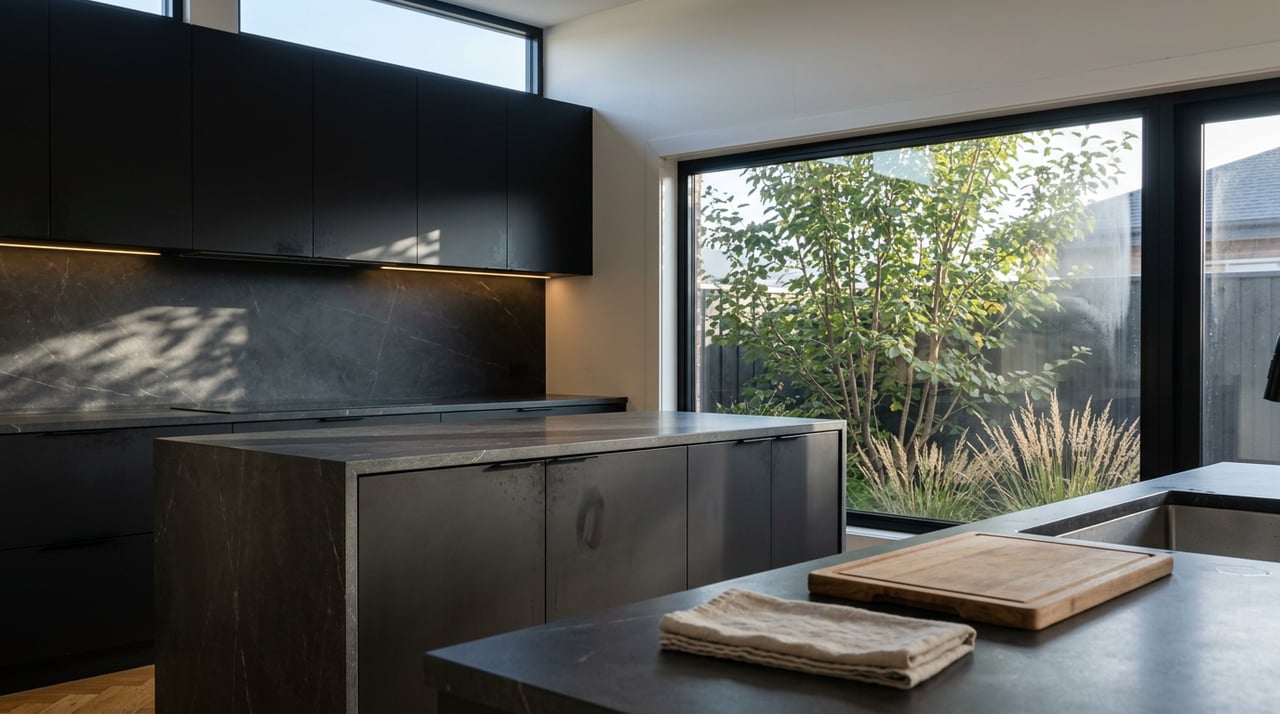
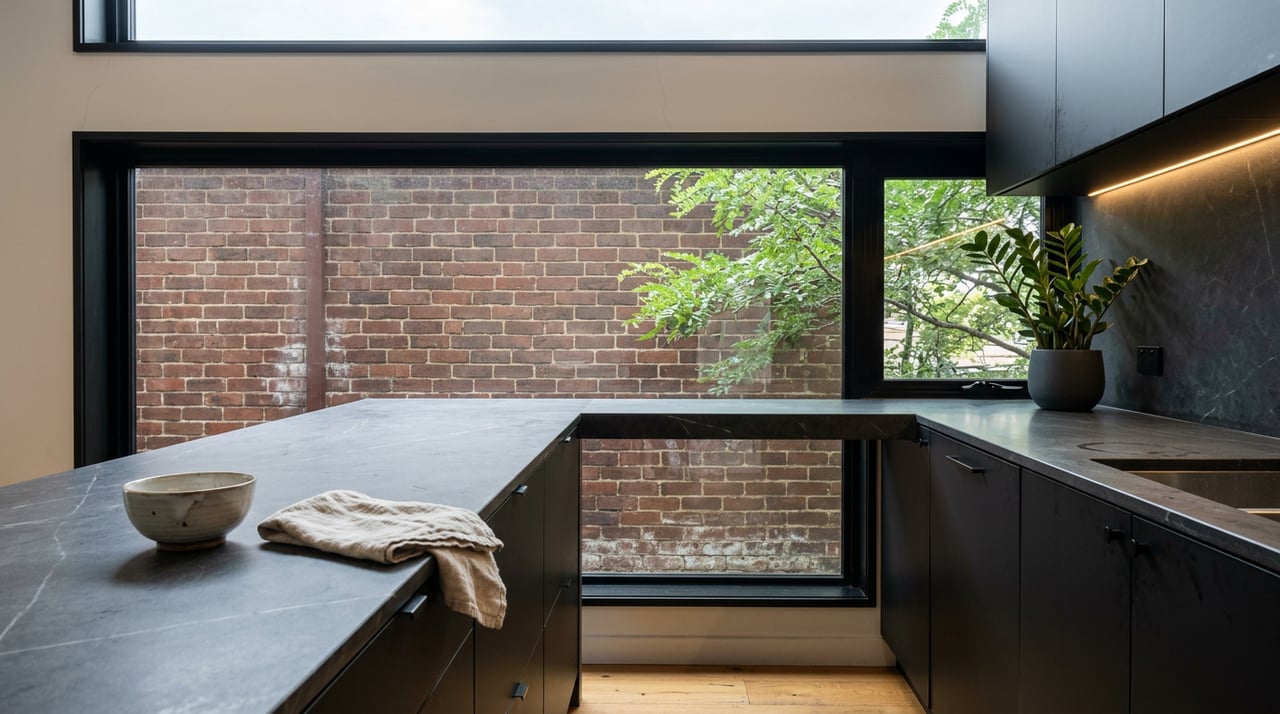
Kitchen and bathroom updates are where sellers often over-invest. A full kitchen remodel before selling rarely returns dollar-for-dollar in a resale scenario. What does move the needle: replacing dated hardware, updating light fixtures, replacing a visibly worn sink or faucet, and ensuring appliances are functional and presentable. A $1,500–$3,000 refresh investment can make a kitchen that reads as a 2005 home feel more current without the $30,000 full renovation that is unlikely to recoup at resale.
Curb appeal and landscaping matter more than many Utah sellers anticipate because Utah buyers often do their initial browsing by driving neighborhoods before they ever contact an agent. A home with overgrown bushes, a patchy lawn, and peeling trim creates an impression before anyone walks through the door. Power washing, fresh mulch, trimmed hedges, and touch-up paint on the trim and front door are relatively inexpensive and high-visibility.
Things sellers often over-invest in before listing
Full kitchen and bathroom remodels, as mentioned, are the most common over-investment. Buyers in a specific price range have expectations for that range, and a fully renovated kitchen in a neighborhood where comparable homes have standard kitchens does not consistently produce a return above the renovation cost.
Garage floors, landscaping additions like new hardscape or large pergola structures, and extensive basement finishing projects are other areas where sellers often spend money that does not come back at closing. The question to ask is whether the comparable sales in your neighborhood reflect that investment. If they do not, you are unlikely to recoup it from a buyer who is comparing your home to the others available.
Pool installation is an extreme example, but it illustrates the point. In Utah, a pool is a neutral-to-negative feature for many buyers due to maintenance cost, safety concerns with young kids, and the relatively short Utah swimming season. Installing a pool before selling would almost certainly cost more than it adds in value.
How I build a pre-listing plan with sellers
When I prepare to list a home, I walk the property with the seller and go room by room with a buyer's eye. The question I am asking throughout is not "what should we improve?" but "what is a buyer going to object to, and is it cheaper to address now or let buyers price in during negotiation?"
That distinction matters. Some items are better addressed with a proactive credit or price adjustment rather than the time and stress of contractor work before listing. Others are genuinely worth the upfront investment because they affect buyer confidence in ways that translate to offer strength, not just offer price.
The answer looks different for a $400,000 home in West Jordan than it does for an $800,000 home in Draper, and it looks different in a sellers' market than in a market with more inventory. Context matters, and the right prep strategy comes from looking at what comparable homes are doing, what buyers at your price point expect, and what you can realistically execute in the timeline before your target list date.
If you are thinking about selling in the next 6–12 months and want to walk through what a realistic prep plan looks like for your specific home, the seller's guide covers the full process from preparation through closing. And if you want a personalized walk-through and a prioritized prep list for your home specifically, reach out and we can set that up.