Trying to decide between a townhome and a single-family home in Holladay? You’re not alone. The right move depends on how you want to live, what you want to spend each month, and how hands-on you want to be with maintenance. In this guide, you’ll see real Holladay price ranges, what HOAs often cover, how insurance and upkeep differ, local rules that matter, and what tends to resell well. Let’s dive in.
Quick Holladay market snapshot
Holladay’s typical home value sits around $804,862 based on Zillow’s ZHVI as of January 31, 2026. Redfin’s recent snapshots show median sale prices hovering from the high $700Ks to low $800Ks, with an example median around $834,000 in December 2025. Monthly medians move, so focus on trends and your specific price band when you shop.
Inventory spans a wide range. You’ll find older, more affordable townhomes and condos under $400K, plus new luxury attached options around Holladay Village priced from the $700Ks to over $1.3M. Single-family homes typically start near $500K for smaller mid-century properties and reach well into the multi-million range for larger lots and view homes.
What you get for the money
Townhomes and condos
- Entry to older buildings: about $250K to $450K, often 800 to 1,400 square feet.
- Mid-range updated townhomes: about $400K to $700K, commonly 1,200 to 2,500 square feet with multi-level layouts and sometimes a 2-car garage. A local example is a 2,186-square-foot Tanglewood townhome that was listed around $430K in 2025 and showed HOA dues near $400 per month.
- New or luxury attached near Holladay Village: roughly $700K to $1.3M-plus. Apollo Square is a good example of newer single-level condos with underground parking and amenities. Several recent listings showed HOA fees near $415 per month.
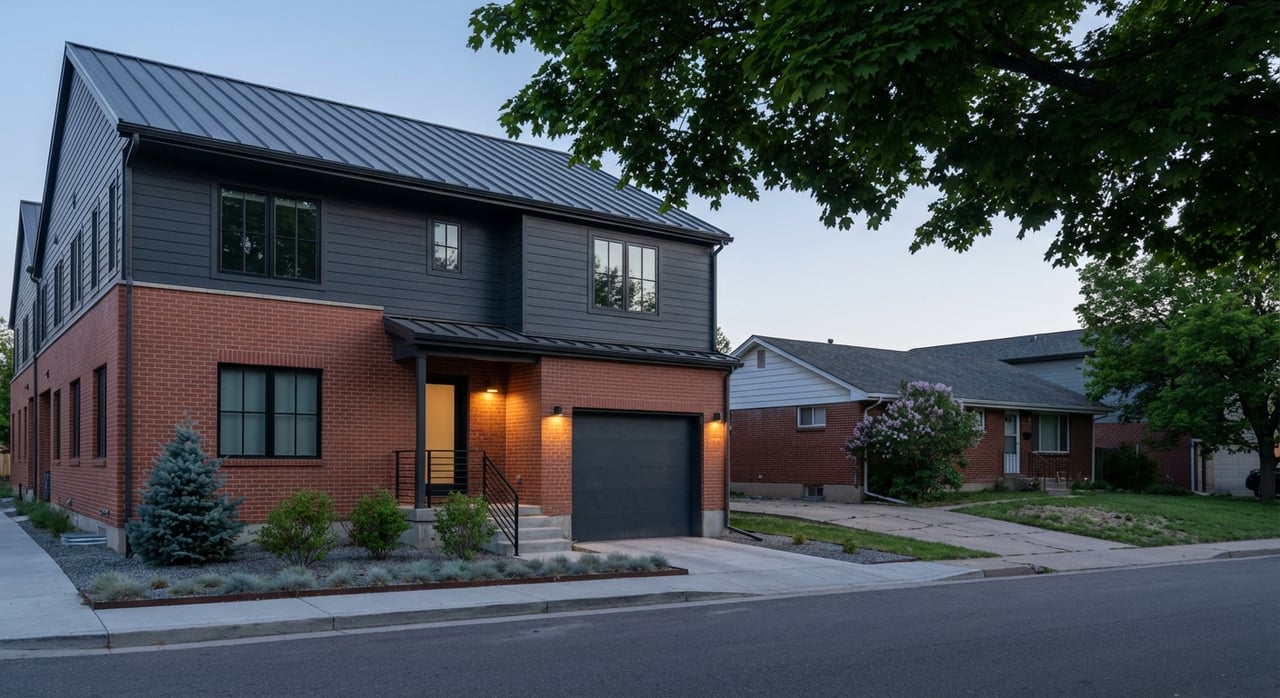
Most attached units have very small private lots, often listed as about 0.01 acres or described as a lot included with common areas. The HOA typically handles exterior maintenance.
Single-family homes
- Entry or smaller homes: about $500K to $750K for many mid-20th-century ranches and modest family homes, often on 0.10 to 0.20 acre lots depending on condition and street.
- Move-up and luxury: roughly $800K to $3M-plus for larger homes, remodeled properties, and premium foothill or view lots. Recent local examples include a home on about 0.39 acres on Nila Way in the mid to high $900Ks, and a historic property on roughly 0.57 acres on Wander Lane priced in the multi-million range.
Interior sizes vary widely. Many Holladay townhomes range from about 800 to 2,500 square feet, while single-family homes commonly span 1,200 to 5,000-plus square feet.
Ownership costs and responsibilities
HOAs and dues
Most Holladay townhomes and condos have an HOA. Dues commonly fall in the $250 to $450 per month range, with higher fees in luxury buildings. What those dues cover varies by community. Some HOAs include ground maintenance, exterior insurance, trash, snow removal, and water or sewer. Others include some utilities. Always verify inclusions in the listing documents.
Before you buy, request the HOA packet and review it. A practical due diligence list includes the current budget, most recent reserve study, 12 to 24 months of meeting minutes, CC&Rs, insurance declarations for the master policy, and an owner delinquency report. Pay close attention to reserve funding, any recent or pending special assessments, and large capital projects. You can use this community association buyer checklist as a guide.
Insurance differences
Condo and townhome owners typically carry an HO-6 policy that covers interior finishes, improvements, contents, liability, and loss-of-use. The association’s master policy covers the building exterior and common areas, but coverage varies by community. Single-family owners typically carry an HO-3 policy that covers the entire structure and contents. Confirm whether your community’s master policy is walls-in or bare walls so you are not underinsured. Here is a clear overview of what condo insurance covers.
Maintenance budgeting
Single-family owners are responsible for the whole exterior, yard, and structure. Townhome and condo owners usually handle less exterior work but should plan for HOA dues and possible building-level projects such as roofs or siding. A common baseline is to set aside about 1 percent of the home’s value each year for maintenance. Older or larger homes may need more. Learn more about typical homeowner costs and the 1 percent rule here.
Lifestyle and location tradeoffs
Walkability and village living
Many of Holladay’s new attached homes cluster around Holladay Village. If you want a low-maintenance, lock-and-leave lifestyle close to restaurants and shops, this area is a strong fit. These homes often have higher per-square-foot pricing and higher HOA dues because of the amenities and newer construction.
Yard, privacy, and outdoor access
Single-family homes often deliver private yards, more space between neighbors, and easy access to canyon routes and foothill trails. If you value outdoor space for pets, gardening, or hosting, a detached home may be the better match.
Commute and transit
Holladay sits about 10 to 25 minutes by car from downtown Salt Lake City in typical conditions, with quick access to I-215. Depending on your exact address, UTA buses and nearby TRAX or FrontRunner connections can work for some commutes. Always test your route at your normal commute time.
Rules that affect use and value
ADUs and short-term rentals
If you plan to add an accessory dwelling unit or operate a short-term rental, review Holladay’s rules before you buy. The city requires permits and owner-occupancy conditions for ADUs. Short-term rentals under 30 days have specific zoning conditions and require Planning Commission approval. You can read the city’s Good Neighbor Guide for details.
New supply and redevelopment
Attached housing supply near downtown Holladay is growing. The Holladay Hills redevelopment at the former Cottonwood Mall site is adding mixed-use and residential space that will compete for buyers who want lower maintenance. Explore the project overview at Holladay Hills. The city has also advanced planning changes near Canyon Centre that shift more space to condos rather than offices, increasing future attached inventory. A recent article in the Holladay Journal covers those amendments and their likely impact on product mix. You can read it here.
Resale and long-term outlook
Single-family homes typically draw a broader buyer pool, which can help long-term liquidity. Townhomes and condos appeal strongly to first-time buyers, downsizers, and people who prioritize convenience. Demand can be solid, but attached product is more sensitive to HOA health and to waves of new inventory nearby.
Key resale risks to evaluate:
- HOA financial health and reserve funding. Undercapitalized reserves can lead to special assessments that affect value.
- Building age and upcoming capital projects such as roofs and waterproofing in mid-rise buildings.
- Policy changes that affect how you can use the property, including ADUs or short-term rentals.
Market metrics vary by source month to month, so anchor your pricing with the latest numbers in your target neighborhood and price band.
Quick decision guide
Choose a townhome or condo if you want:
- Lower exterior maintenance and a lock-and-leave lifestyle.
- Walkability near Holladay Village and newer building amenities.
- A lower entry price than many single-family homes in the same area.
Choose a single-family home if you want:
- A private yard, room to expand, and more privacy.
- Flexibility for additions or an ADU, subject to city rules.
- A broader resale buyer pool for long-term holds.
Diligence checklist for Holladay buyers
Townhome and condo buyers:
- Request the full HOA packet: budget, recent financials, reserve study, 12 to 24 months of minutes, CC&Rs, master insurance policy, and owner delinquency report. Use this community association checklist.
- Ask about recent or pending special assessments and large projects such as roof or siding replacements.
- Confirm what HOA dues cover, and whether utilities are included.
- Verify the master insurance coverage type and buy the right HO-6 policy. Review condo insurance coverage basics.
Single-family buyers:
- Inspect roof, HVAC, plumbing, foundation, and drainage. Build a maintenance plan and budget about 1 percent of purchase price per year as a baseline. See homeowner cost guidance here.
- Price out yard and exterior upkeep such as lawn care, sprinklers, snow, and exterior paint or siding.
All buyers:
- Verify school boundaries by exact address with the district, not just by neighborhood name.
- Confirm ADU and short-term rental rules with the city before purchase using the Good Neighbor Guide.
Bottom line: both options can work in Holladay. If you want convenience near the village and a simpler maintenance load, a townhome or condo fits well. If you want land, privacy, and more flexibility, a single-family home is a better match. When you are ready to compare real listings, run the numbers side by side on dues, insurance, and upkeep so you see the full monthly picture.
Ready to weigh your options with local, real-world comps and a clear plan? Reach out to Nick Booth Real Estate to compare homes, understand HOA documents, and map your next move with confidence.
FAQs
What is the average home price in Holladay right now?
- As of January 31, 2026, Zillow’s ZHVI shows a typical Holladay home value around $804,862. Monthly medians can vary by data source and season.
How much are HOA fees for Holladay townhomes and condos?
- Many listings show dues between $250 and $450 per month. Luxury buildings with amenities may be higher. Always verify what utilities and services are included.
Can I operate a short-term rental in Holladay?
- Rentals under 30 days require specific zoning conditions and Planning Commission approval. Review the city’s Good Neighbor Guide before you buy.
Are ADUs allowed on single-family lots in Holladay?
- Yes, but you need permits and must meet owner-occupancy and zoning rules. Check the city’s Good Neighbor Guide for current requirements.
Which tends to resell better in Holladay: townhomes or single-family homes?
- Single-family homes usually attract a broader buyer pool, which can help liquidity. Townhomes can perform well but are more sensitive to HOA health and new attached supply nearby.
What insurance do I need for a condo versus a house?
- Condo and townhome owners typically carry an HO-6 policy that covers interior finishes and contents, while single-family owners carry an HO-3 that covers the whole structure and contents. See HO-6 coverage basics.
How much should I budget for home maintenance?
- A simple baseline is about 1 percent of the home’s value per year. Older or larger homes may need more. Learn about typical costs here.