Could you cut most of your car trips in Sugar House and still live comfortably? If you love being close to coffee, parks, and transit, this neighborhood can make your daily routine feel easier and more social. You will learn where walking works best, how the S-Line and TRAX can extend your reach, what errands fit on foot, and which housing features support a car-light lifestyle year-round. Let’s dive in.
Sugar House on foot
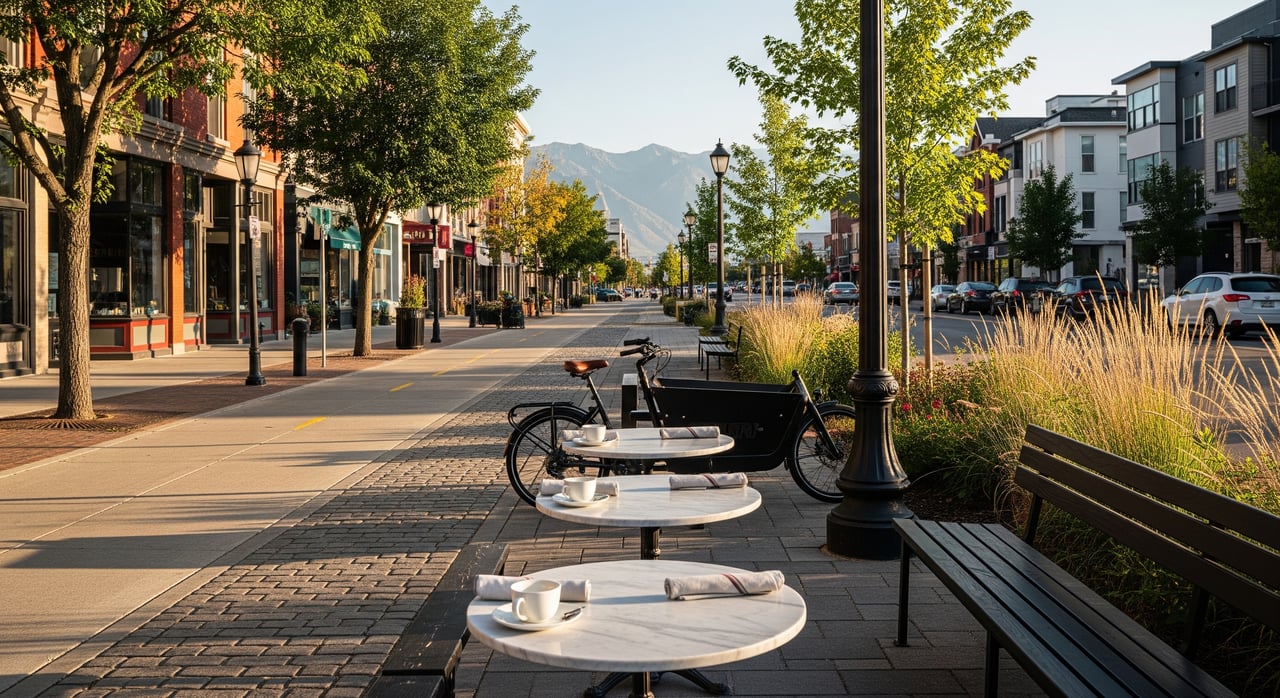
Sugar House centers on a compact business district where everyday needs cluster together. The retail spine along 1100 East and parts of 2100 South places cafes, restaurants, markets, pharmacies, and services within close proximity. Sidewalks are most consistent in the commercial core, with residential streets generally walkable but variable in sidewalk width, lighting, and street trees. Crossing comfort changes by block, and higher-traffic arterials can feel less comfortable at peak times, so it helps to test your route.
Topography matters. Some blocks slope toward the foothills, which can add effort to a walk, especially with a stroller or cargo bike. If you plan to walk daily, try your route at different times of day. A quick 5, 10, and 15 minute stroll from a specific address will tell you more than a general map can.
Transit that extends your reach
The S-Line streetcar links the Sugar House area to the UTA TRAX light-rail network. With one seat or a single transfer, you can reach downtown Salt Lake City and other key destinations. Service frequency and hours vary by time of day, so check official schedules for exact timing if you rely on transit for commuting or late evenings.
Several bus routes run north–south and east–west, filling gaps the streetcar does not cover. Your first and last mile matters. Short walks to stops, reliable bike parking at stations, and access to scooters or rideshare can make daily trips more practical without driving. If you work late or on weekends, confirm operating hours that align with your schedule.
Parks and daily recreation
Sugar House Park is a major asset for a car-light lifestyle. The large open space supports walking, jogging, playground time, and everyday relaxation without a drive. Smaller parks, greenways, and accessible trails add options for short bike rides and quick dog walks. Proximity to this network shapes your daily rhythm, from morning runs to evening strolls.
Errands and dining without driving
In and near the commercial core, you can cover many weekly needs on foot. Typical walkable options include:
- Coffee and tea shops
- Quick-service and sit-down dining
- Neighborhood markets and specialty food stores
- Pharmacies, banking, salons, and basic household services
- Fitness studios, hardware, and pet supplies
For larger items or bulk shopping, a car or delivery is often easier. Many car-light households mix walking with periodic car trips, curbside pickup, delivery services, or a cargo bike for bigger loads. If a specific retailer is important to you, confirm its exact location relative to the address you are considering.
Biking and micromobility
Biking can expand your car-light radius to a comfortable 1 to 3 miles. Salt Lake City has been improving bike lanes and shared-use paths, though protection and continuity vary by block. Pick routes with lower stress where possible, and store your bike securely at home.
Micromobility options like e-scooters and bike share can change over time. Check current availability and local rules before you count on them for a commute. If you plan to rely on a bike or scooter, prioritize buildings with secure storage and clear policies that support everyday use.
Housing and parking tradeoffs
Housing types shape how car-light your life can be. Multifamily buildings and mixed-use developments near the core or close to the streetcar often offer the easiest access to daily needs. Older single-family homes farther from the center can still work if you are within a short walk of a commercial node or transit stop.
Parking policies vary. Some buildings charge for parking or limit spaces, and guest parking can be tight near busy corridors. If you plan to keep a car for occasional trips, verify assigned spaces, permit rules, and monthly costs upfront. Buildings that include secure bike storage, package rooms, and in-unit laundry can reduce errands and make a car-light routine simpler.
Winter and nighttime realities
Snow and ice can slow walking and biking, but they do not have to end a car-light routine. Prepare with winter footwear and a safe route that prioritizes cleared sidewalks and good lighting. Municipal policies guide snow removal on streets, and property owners often handle sidewalks, so conditions can vary by block.
Nighttime comfort depends on lighting and activity. Commercial corridors tend to be brighter and more active, while residential cut-throughs can feel quieter. Try your usual path after dark to confirm visibility, crossings, and the overall feel of the route.
How to choose the right address
Use this quick checklist when touring homes or condos:
- Walk-time: Aim for a 5 to 15 minute walk to the Sugar House core, a streetcar stop, or a frequent bus route.
- Building amenities: Look for secure bike storage, package delivery space, and in-unit laundry.
- Parking plan: If you keep a car, confirm assigned spaces, costs, and guest parking rules.
- Route quality: Walk your daily path at different times to test crossings, lighting, and any hills.
- Transit access: Note exact stop locations, service frequency, and your transfer points.
- Delivery logistics: Confirm grocery and parcel delivery to the door or lobby and any restrictions.
- Winter readiness: Ask about sidewalk and parking area snow removal responsibilities.
Sample car-light days in Sugar House
Here are a few realistic routines to picture your life on foot:
- Weekday commuter: Grab a coffee and a few essentials on the walk to the S-Line, connect to TRAX, then head downtown. In the evening, pick up dinner from a spot in the core on your way home.
- Family with mixed needs: Morning playtime at Sugar House Park, a short bike ride to daycare or school if nearby, and a quick walk for errands. Use a car or delivery for bulk shopping on weekends.
- Remote worker or retiree: Daily walks for groceries or pharmacy needs, regular coffee meetups, and frequent park time. Use transit or rideshare for medical visits or specialty shopping.
Is fully car-free realistic?
Many residents can shrink car use significantly, especially if they live within a 10 to 15 minute walk of the core or a streetcar or bus stop. Whether you can skip a car entirely depends on your household details, like kids, mobility needs, work hours, and shopping patterns. A hybrid approach often works best, with walking, biking, and transit for daily life, plus an occasional car trip for big errands or out-of-area plans.
Ready to explore Sugar House car-light living?
If you want a home that fits a walk-first routine, the right address and building features make all the difference. I can help you compare blocks, map real-world walk times, review building amenities and parking rules, and weigh tradeoffs around transit and winter conditions. Reach out to plan a search that fits how you live. Connect with Nick Booth Real Estate to get started.
FAQs
Can you live without a car in Sugar House?
- Many residents can go car-light, especially within a 10 to 15 minute walk of the commercial core or a streetcar or bus stop, though complete car-free living depends on household needs.
How long does transit from Sugar House to downtown take?
- Travel time depends on your starting point, transfer wait, and time of day, so check official UTA schedules or a trip planner for your exact route.
What errands are walkable in Sugar House’s core?
- Coffee, dining, neighborhood markets, pharmacies, banking, salons, fitness, and basic household services are typically clustered in the commercial district.
Is walking or biking at night comfortable in Sugar House?
- Comfort varies by block; commercial streets are usually better lit and more active, so test your route after dark to confirm lighting and crossings.
Does winter make car-light living impractical in Sugar House?
- Snow and ice slow things down but do not prevent car-light routines if you prepare with good footwear, clear routes, and transit options during storms.
Where should buyers look for car-light housing in Sugar House?
- Focus on multifamily or mixed-use homes near the commercial core or close to the S-Line and key bus routes, and verify walk times, storage, and parking policies.