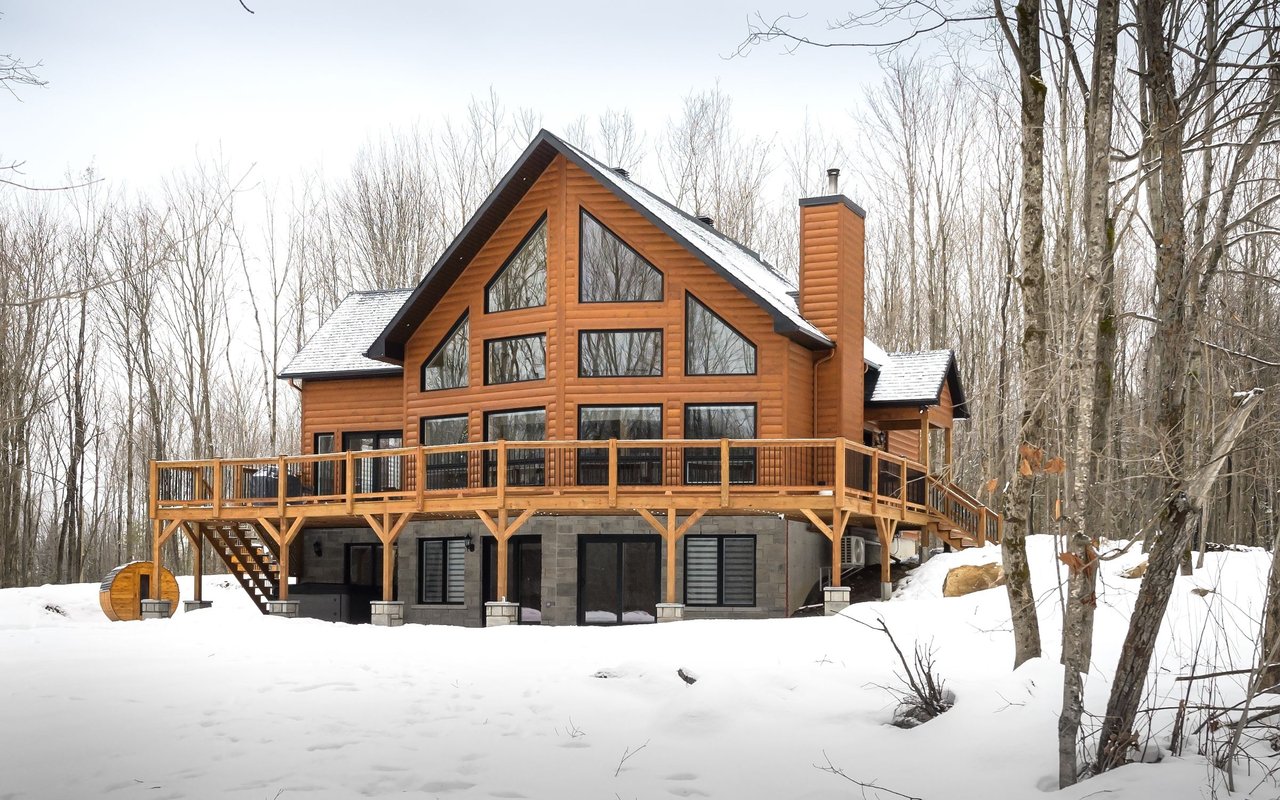
If you've ever driven up from downtown Salt Lake in a storm and watched the rain turn to snow somewhere around the base of the bench, you already understand the point. Cottonwood Heights sits higher than the valley floor, and it often gets more snow. That's great for skiers and for the view. It's harder on roofs, driveways, gutters, and the people who have to shovel them.
Start with the roof
Snow is heavy, and wet Utah snow is heavier. A roof in good shape can handle it, and a roof near the end of its life might not. Ask the age of the roof, look for missing or curling shingles, and check for signs of past leaks in the attic and ceilings. A roofing pro can tell you how much life is left. If the roof is old, factor the replacement into your budget.
The pitch matters too. Steeper roofs shed snow more easily, while flatter sections can hold more weight. Some homes have snow guards, small barriers that keep snow from sliding off all at once onto walkways or cars. They're worth looking for.
Ice dams
Ice dams form when heat escapes through the roof, melts the snow, and the water refreezes at the cold edge. That ice can back up under shingles and cause leaks. The fix is usually a combination of better attic insulation, good ventilation, and air sealing. When you're touring a home, peek into the attic if you can. Bare, thin insulation and stains on the roof deck are red flags.
Gutters and drainage
Clogged gutters make ice dams worse and send melting snow toward the foundation. Make sure downspouts direct water away from the house. The bench has slopes, so how water moves around the home matters. Check the grading, and look for signs of past moisture in basements.
The driveway question
Driveway slope is one of the most underrated factors on the bench. A steep driveway that faces north can hold ice for days after a storm. That affects how easily you can get out in the morning, and whether guests can get in. When you tour a home, stand at the bottom and imagine it covered with ice. Ask the seller how they handle it. Some driveways have heating, some are shaded, and some are simply steep.
Who's doing the shoveling
Snow removal is a real part of the budget, in either time or money. A snowblower is a common answer, and so are seasonal contracts with a plow service. Some HOAs handle common areas but not individual driveways, so find out what's included. Sidewalks are also a consideration, since many cities require homeowners to clear them within a certain time after a storm. Check your city's rules.
A garage isn't just for storing things. In this part of the valley, it's a place to keep your car free of snow and ice, and to keep your morning from starting with a scraper. If a home doesn't have one, consider a carport or a cover, and account for it in your plans.
Ask for winter utility bills
One easy way to learn about a home's efficiency is to ask for a year of utility bills, especially the winter months. High heating bills can point to insulation problems, an aging furnace, or air leaks. It's a simple data point that's easy to ask for.
Testing your assumptions
If you're relocating from somewhere with milder winters, give yourself a realistic preview. Drive the streets after a storm, or talk to neighbors about how the road is maintained. It's one thing to love the view in July and another to live with the slope in January.
Frequently Asked Questions
Does Cottonwood Heights get more snow than Salt Lake City?
It often does because of its higher elevation on the bench, though it varies storm to storm.
What's an ice dam?
It's a ridge of ice at the edge of a roof that traps melting snow and can cause leaks.
Do I have to shovel my sidewalk in Utah?
Many cities require it within a set time after snowfall. Check the rules for your city.
Should I worry about driveway slope?
Yes. Steep or shaded driveways can be icy and hard to use in winter.
If you're looking at homes on the Cottonwood Heights bench, reach out. We'll check the roof, the driveway, and the details that matter in January.