Sandy's full of homes with finished basements, and a lot of sellers count them as part of their square footage. That's natural. You paid to finish it, you use it every day, and it feels like part of the house. Appraisers see it differently, and if you don't understand why, you can end up with an appraisal that doesn't match your expectations.
The basic rule
The standard used in appraisals generally counts only above-grade finished space in the main gross living area. Below-grade space, even if it's beautifully finished, is reported separately. It still adds value, but it isn't valued the same way as space on the main and upper floors. That means a 2,000 square foot home with a 1,000 square foot finished basement isn't treated as a 3,000 square foot house on paper.
Buyers and sellers often assume the total square footage in the listing is what the appraiser will use. If it's advertised as one number and appraised as two, that mismatch can create surprises.
What counts as below grade
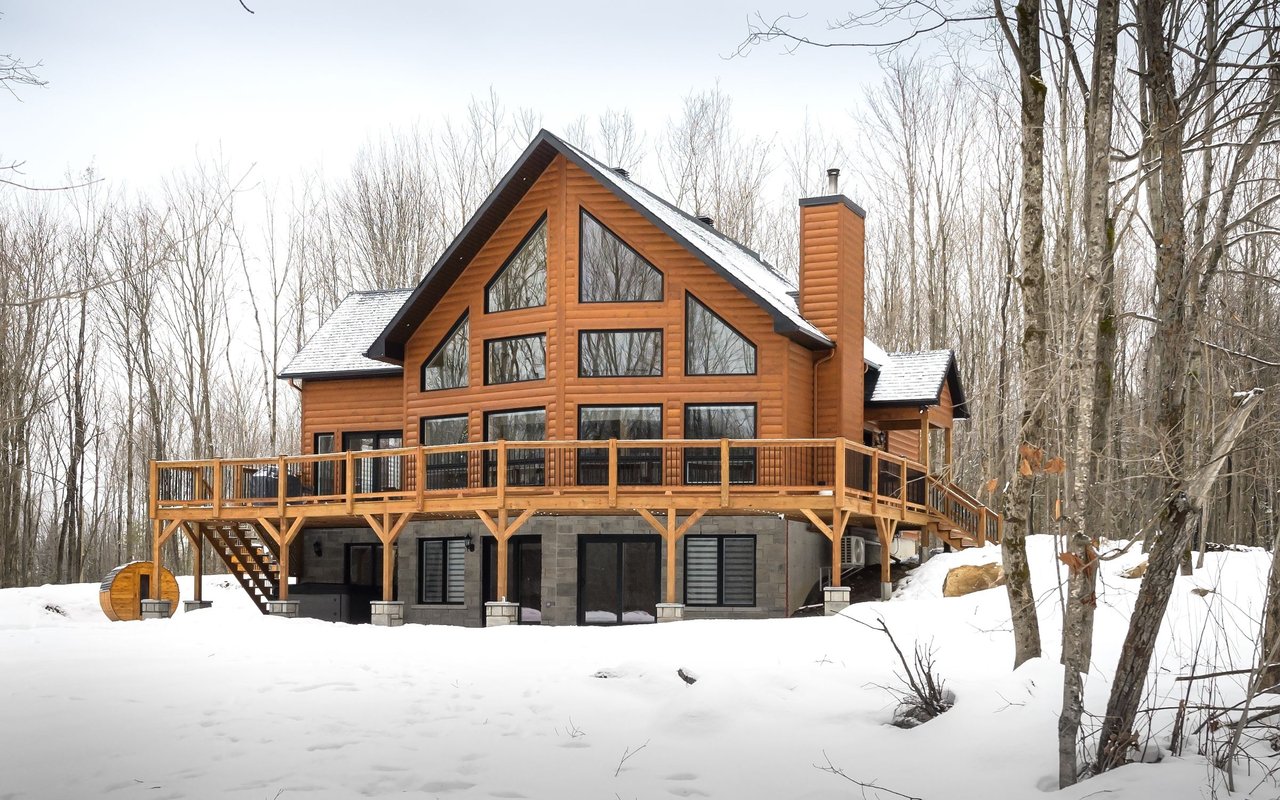
A basement is considered below grade when it's mostly or completely below the ground level. Partial walkouts are a gray area, and it depends on how much of the space is above ground. Splitting the difference is complicated, and this is one of those places where a good appraiser will explain their reasoning. If you own a home with a walkout basement, ask what the appraiser considers above grade and what they consider below.
How the value gets counted
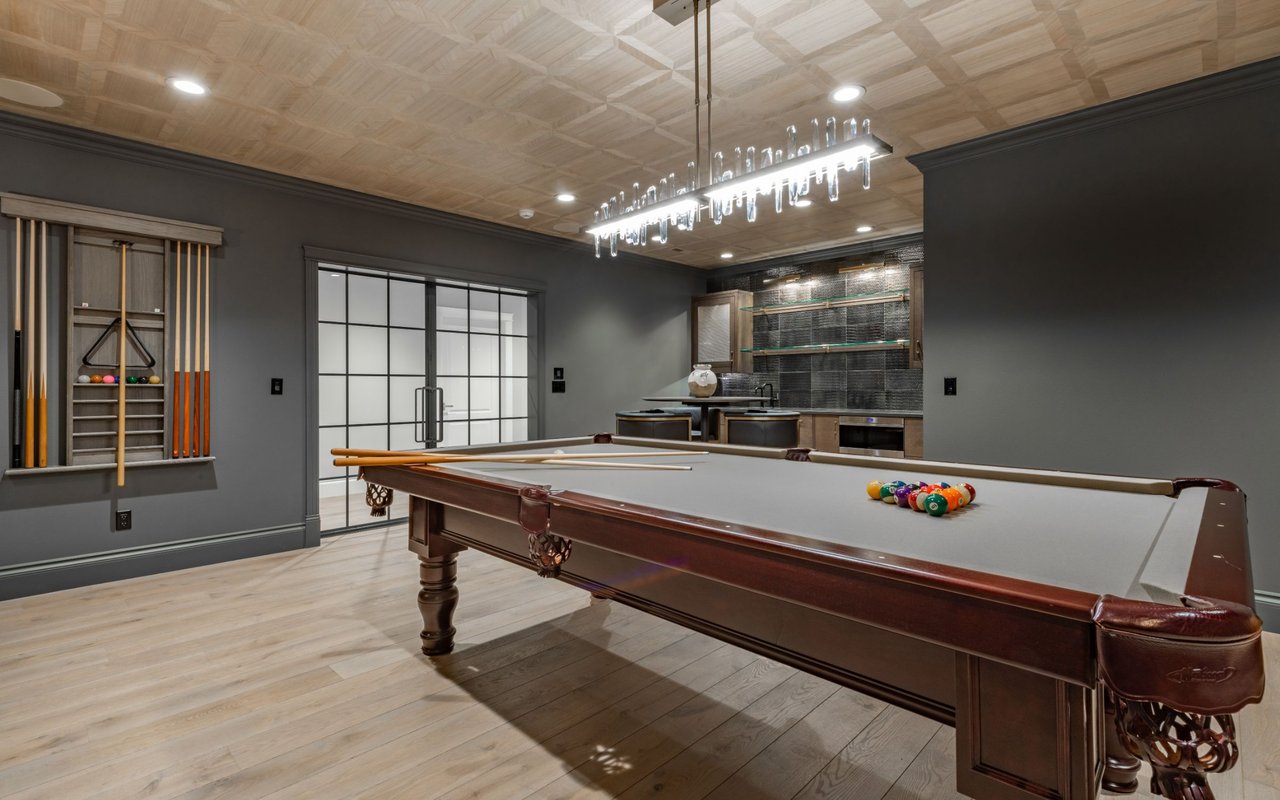
Since basements are reported separately, appraisers typically adjust for them using comparable homes. If the comps have finished basements, the value flows naturally. If the comps don't, or the basement is unusual, adjustments can be harder. The quality of the finish, the ceiling height, natural light, and how well it functions all play into how much value a basement adds. A bright, well designed lower level with a bathroom and bedrooms can add a lot, and a dark, low ceiling one might add less.
Egress and legal bedrooms
A basement bedroom generally needs an egress window big enough to escape through, and it needs to meet building code. Without one, it may not be counted as a bedroom in the listing or by the appraiser. If you finished the space yourself, check that the windows and other features meet current requirements. This can affect how you market the home and how much buyers are willing to pay.
Permits matter
Unpermitted work is one of the most common issues I run into with basements. If a basement was finished without permits, it can complicate things for buyers, lenders, and insurers. In some cases, it can affect the appraisal. If you're selling, pull records to see what was permitted. If you're buying, ask for documentation and don't rely on the seller's word alone.
How to list it honestly
The best approach is to be clear in the listing about above grade and below grade square footage. Something like "2,000 square feet above grade with an additional 1,000 finished basement" sets the right expectations and prevents confusion. Buyers appreciate the honesty, and it makes appraisals go more smoothly.
If you have a strong basement, make sure it shows well. Good lighting, clean paint, and functional layouts help. Provide the appraiser with a list of improvements and permits. If your lower level has a separate entrance or kitchen, understand how local ADU rules might apply, since that can affect how it's viewed.
What buyers should ask
If you're buying, ask what's included in the square footage, whether the basement is permitted, and whether the bedrooms are legal. Look at the ceiling height, natural light, and moisture. A basement with water issues isn't a bargain at any square footage.
Frequently Asked Questions
Does finished basement square footage count in an appraisal?
It's generally reported separately from above grade space, and it adds value but usually not at the same rate as above grade square footage.
What makes a basement bedroom legal?
Generally it needs an egress window and to meet building code. Check local requirements.
Do I need permits to finish a basement in Sandy?
Typically yes. Check with the city before starting work, and keep the records.
Should I list basement square footage separately?
Yes. It's clearer and reduces the chance of surprises during the appraisal.
If you're selling or buying a Sandy home with a finished lower level, reach out. We'll get the numbers straight before they become a problem.