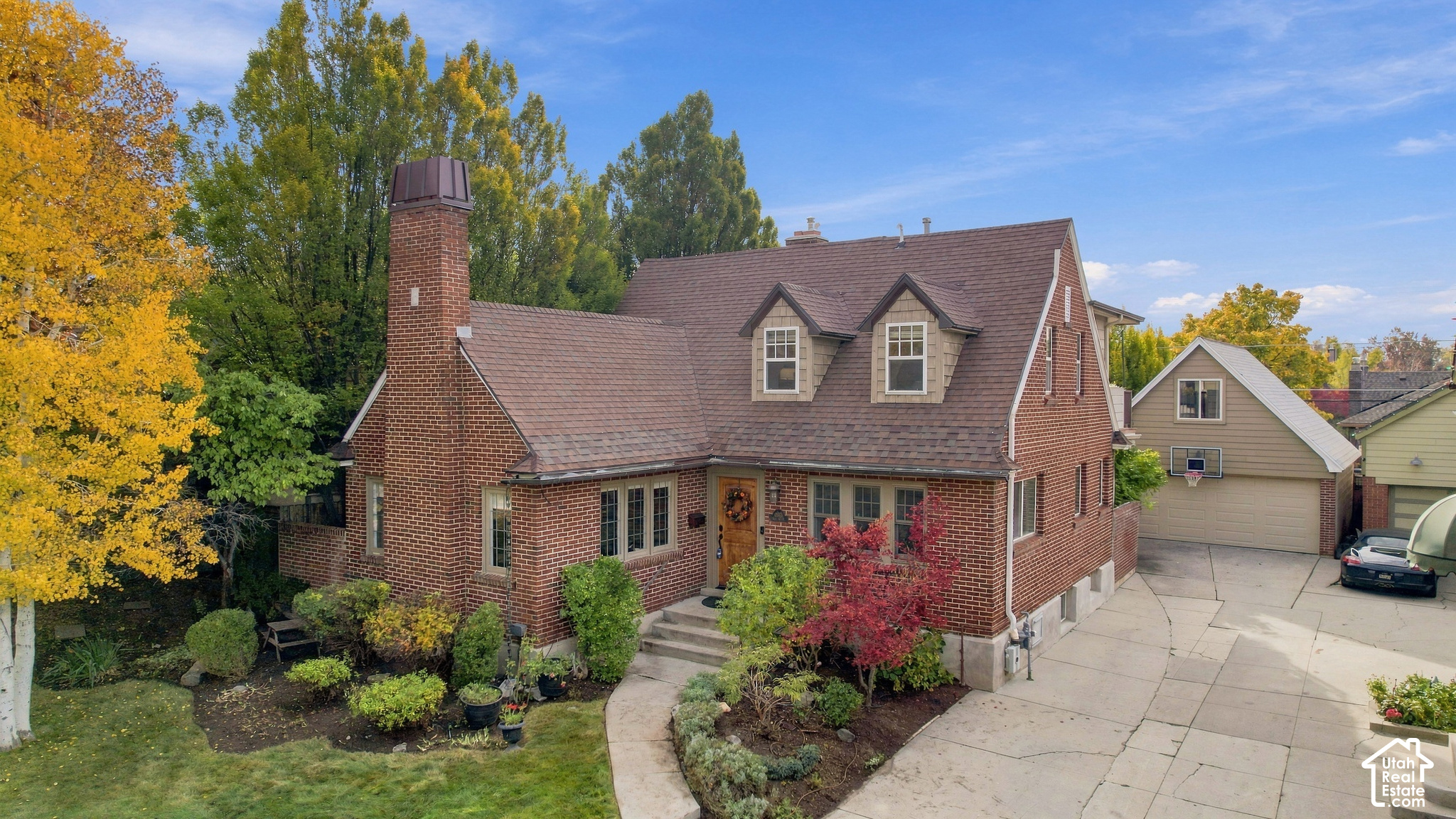
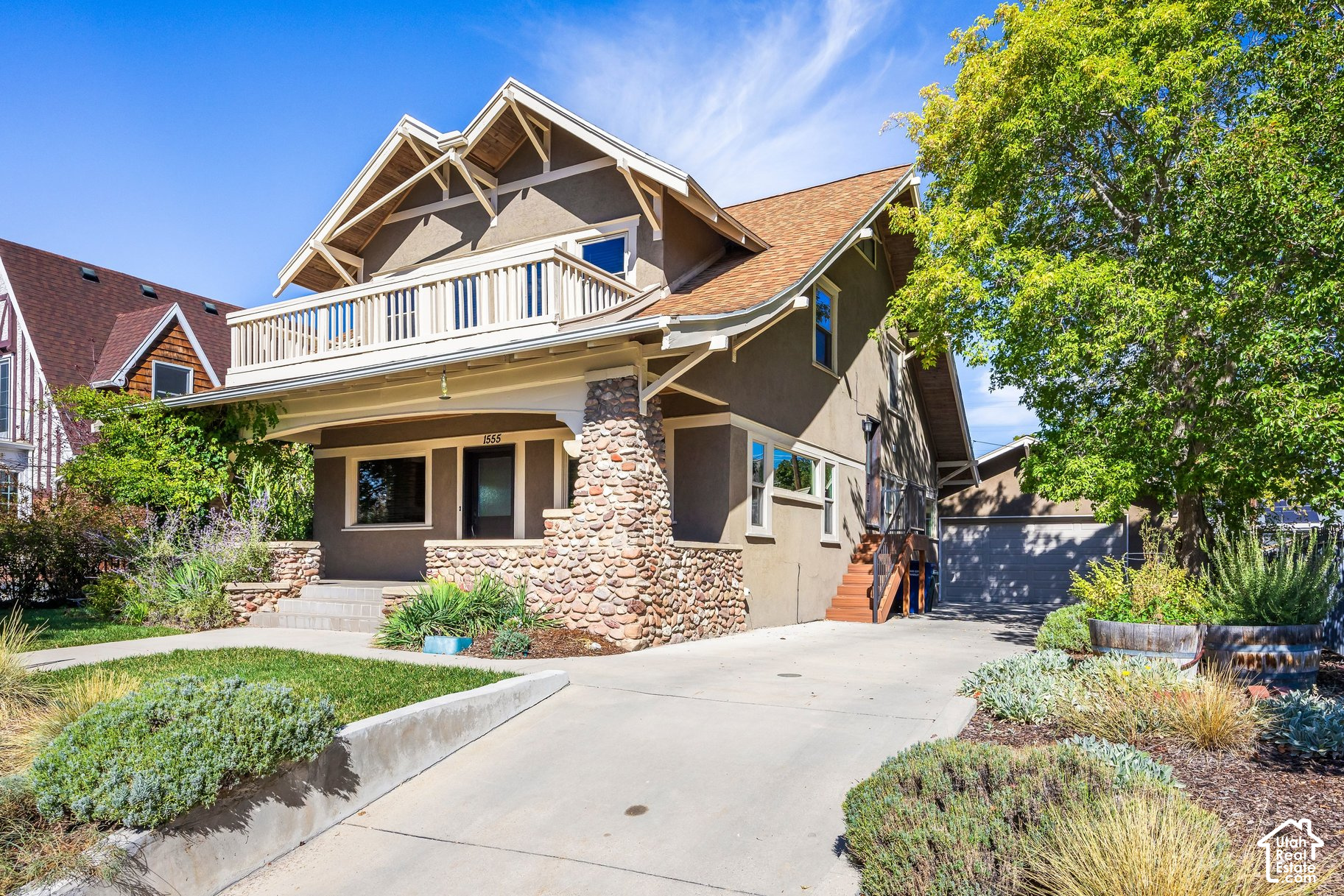
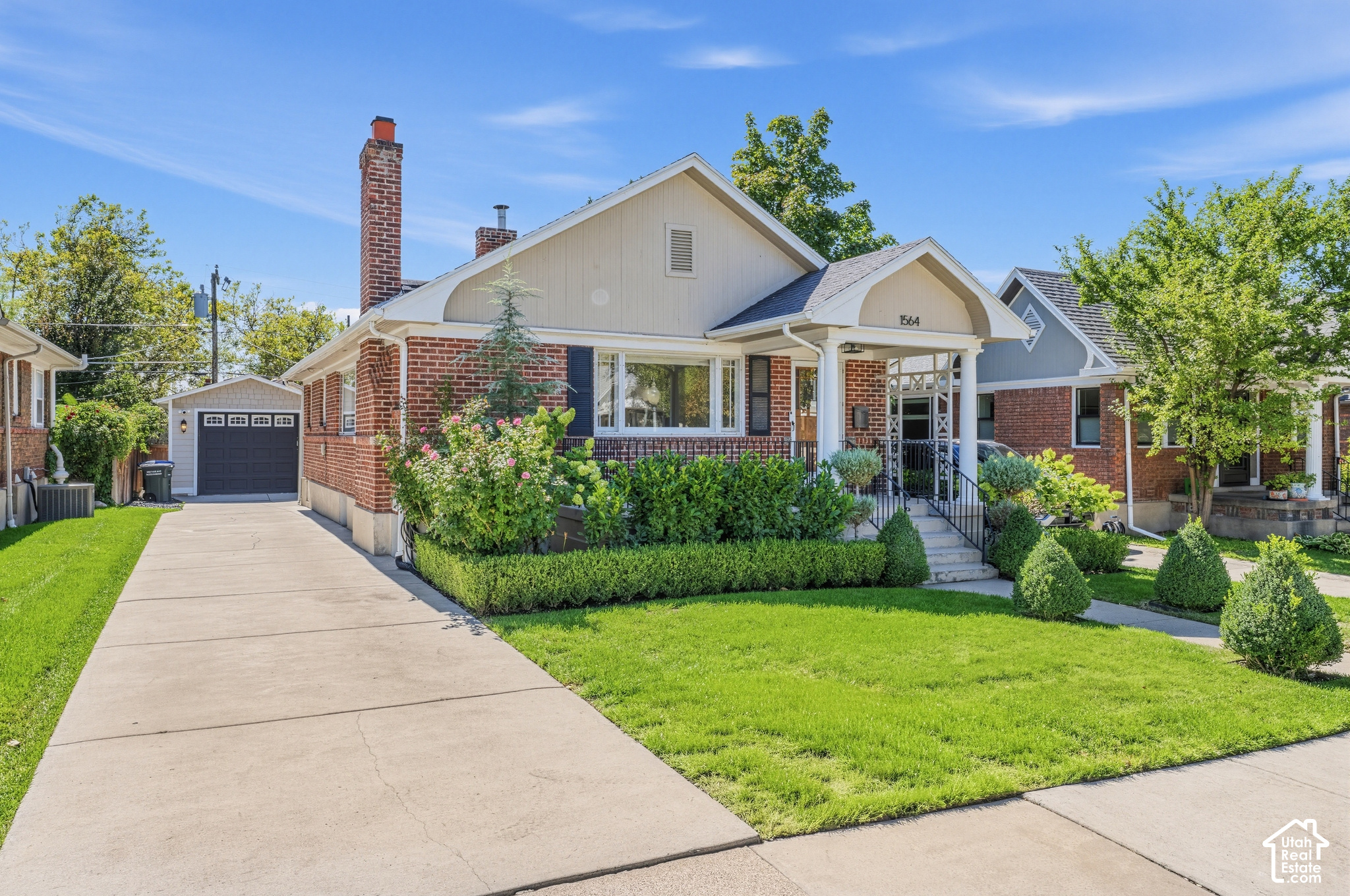
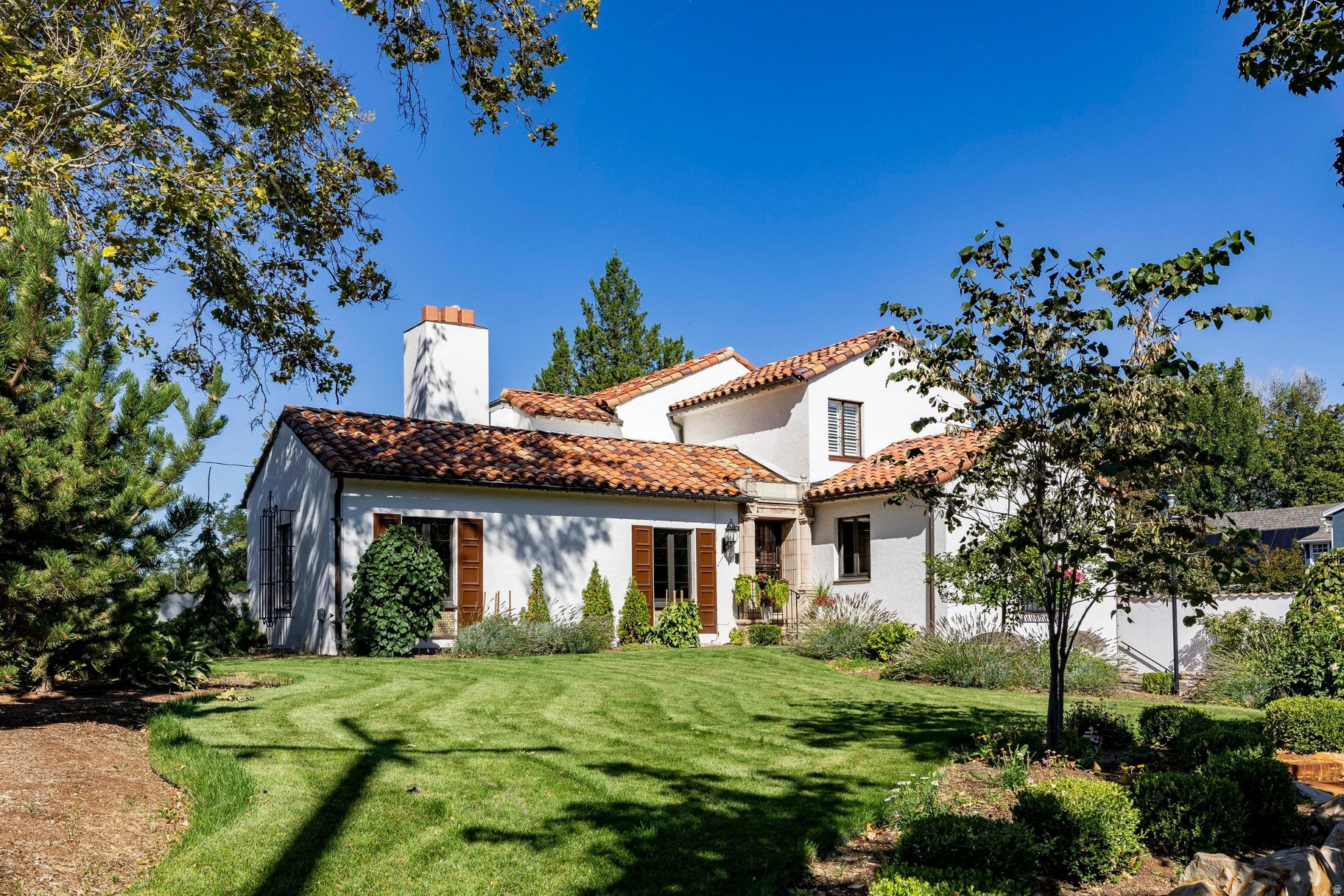
Yalecrest is one of the most architecturally consistent, tree covered neighborhoods anywhere in Salt Lake City, and it's the kind of place that makes people fall in love with the East Bench. Sitting up near the University of Utah, Yalecrest homes for sale are almost entirely period revival houses built between the 1910s and the 1930s, English Tudor cottages, French Norman charmers, and Spanish Colonial homes on winding, well shaded streets. About seventy four percent of the neighborhood's homes were built in that single 1920 to 1939 window, which is part of why Yalecrest real estate feels so cohesive from one block to the next. If you're looking into Yalecrest real estate, this is a neighborhood where the history is genuinely part of the value.
Yalecrest has a settled, established feel that's hard to manufacture. It grew up in the 1920s and 30s as families moved out of the smoky valley floor and up onto the East Bench, chasing cleaner air, streetcar access via the old 1500 East line, and the appeal of a brand new elevated neighborhood. The land itself had been farmed since the 1870s by early settlers before developers began platting it into subdivisions starting in 1910, and the neighborhood has held onto that early character better than almost anywhere else in the city. Streets are shaded, lots are landscaped, and homes tend to be lovingly maintained rather than flipped, because a lot of Yalecrest families stay for decades, sometimes passing homes down within the same family.
It's a magnet for university faculty and staff given the short commute to the University of Utah, as well as longtime Salt Lake families who want their kids in the neighborhood schools and their home on a street with real architectural pedigree. There's also a strong, active neighborhood association culture here, the group K.E.E.P. Yalecrest works specifically to protect the neighborhood's historic character, and residents genuinely care about preserving what makes Yalecrest look and feel the way it does, right down to fighting teardowns that don't match the district's original scale and style.
This is one of the most architecturally significant residential neighborhoods in Utah. Yalecrest was added to the National Register of Historic Places in 2007, and about seventy four percent of its homes were built between 1920 and 1939 in period revival styles, primarily English Tudor and English Cottage, along with French Norman and Spanish Colonial designs. Twenty two separate subdivisions were platted here between 1910 and 1938, which is part of why the architecture feels so cohesive block to block instead of looking like it was assembled piecemeal over different eras the way a lot of older neighborhoods do.
The last major subdivision, Normandie Heights, went in between 1926 and 1935 along rolling, serpentine streets with Ivy League named roads like Harvard and Princeton, developed by builder Gaskell Romney and covering the stretch roughly between 1300 and 1500 East. Wherever you land in Yalecrest, you're buying into a genuinely preserved slice of early 20th century Utah architecture, not a reproduction of one, and that authenticity is exactly what draws buyers who could afford new construction elsewhere but specifically want Yalecrest's period character instead.
Locals sometimes refer to specific pockets within Yalecrest, like the Normandie Heights streets near 1300 to 1500 East, but the neighborhood is generally treated and marketed as one cohesive historic area rather than a set of separately branded neighborhoods. Compared to nearby Federal Heights, Yalecrest tends to run a bit more walkable and architecturally uniform, while Federal Heights leans toward larger estate style lots, and compared to Sugar House just to the south, Yalecrest trades commercial walkability for pure residential consistency.
Local Landmark: The Yale Ward Chapel: Tucked into the neighborhood at 1431 Gilmer Drive is a building with a direct line back to one of the most famous architects in American history. It was designed by Taylor Woolley, a Utah architect who worked as a draftsman for Frank Lloyd Wright starting around 1909, even traveling to Italy to help produce the Wasmuth Portfolio, Wright's first published collection of architectural drawings, and later contributing to the early construction of Taliesin. Woolley brought that Prairie School sensibility home to Utah, got his architect's license here in 1910, partnered with his brother-in-law and a colleague on a firm producing LDS meetinghouses and residential work through the late 1910s and early 1920s, and eventually served as Utah's state architect from 1933 to 1941, later overseeing construction of the This Is the Place Heritage Monument. In 1925 he designed the Colonial Revival style Yale Ward Chapel right here in Yalecrest, and his Prairie School fingerprints are also visible on the William W. Ray house and several other homes along Yale Avenue. It's a genuinely rare thing, a direct architectural link between Frank Lloyd Wright's studio and a neighborhood chapel most people drive past without knowing the story.
Historic homes like these are valued differently than a standard resale, architectural integrity, original details, and how well a renovation respects the period style all matter a lot here. We'll give you a real read on your home's value based on what's actually closing nearby.
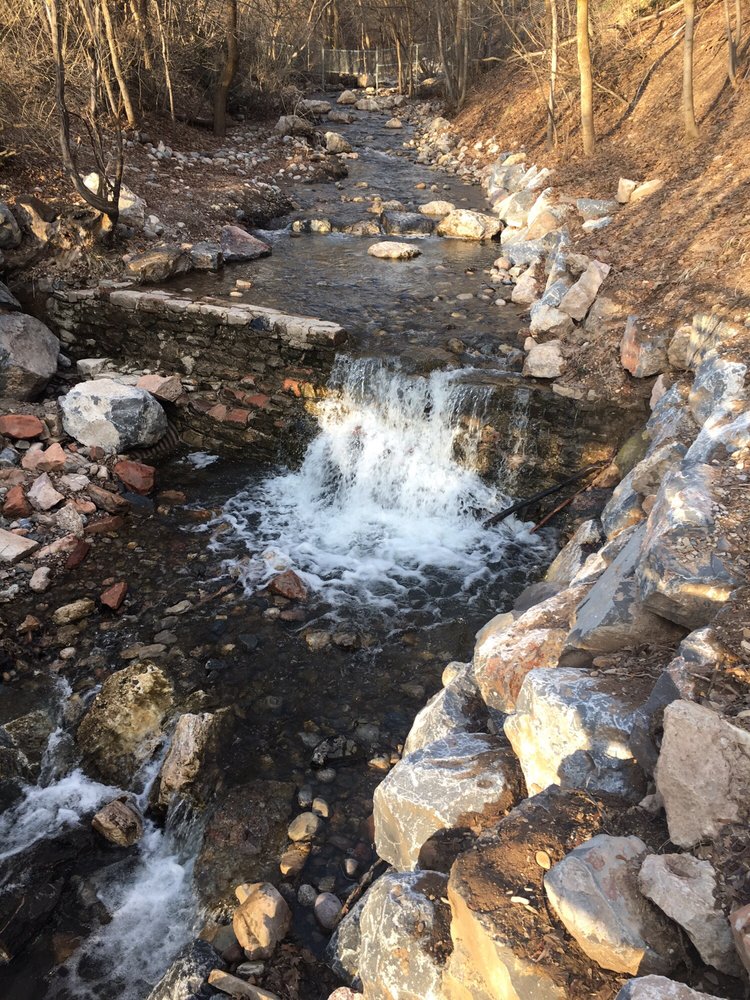
The Miller Bird Refuge and Nature Park follows Red Butte Creek through the neighborhood and is a favorite quiet walk for residents, named for longtime local conservationists Charles and Minnie Miller who helped preserve the space. Yalecrest also sits close to the University of Utah's campus, Red Butte Garden and its concert series, and the trailheads climbing into the foothills above the city, so outdoor access is never far even though the neighborhood itself feels tucked in and residential. Community events organized through K.E.E.P. Yalecrest and neighboring associations also give residents regular reasons to gather throughout the year.
Yalecrest itself is mostly residential, so a lot of daily coffee runs and dinners out happen just over the neighborhood's edges in Sugar House, 9th and 9th, or near the university. Emigration Cafe and Jet Black Coffee Company are popular nearby stops for residents who want a short drive or bike ride for a good cup of coffee, and the neighborhood's proximity to both Sugar House and downtown means there's no shortage of options within a few minutes, even without a commercial strip inside Yalecrest's own borders.
Yalecrest was originally built around streetcar access via the old 1500 East line, and while the streetcars are long gone, the neighborhood still benefits from that early transit oriented layout, tree lined streets, sidewalks, and a genuinely walkable feel for a neighborhood built almost a century ago. It's a quick drive to the University of Utah, downtown, and Sugar House, and bus service runs along several of the neighborhood's main corridors, making it easy to get around without relying on a car for every single trip.
Well preserved period revival homes here don't sit long. Let's get you set up to see new Yalecrest listings the moment they come available.
Yes, especially if you value architectural character, mature landscaping, and a short commute to the University of Utah or downtown Salt Lake City. It's a well established, family friendly neighborhood with a real sense of history, and an active resident community that genuinely cares about how it's preserved going forward.
Yalecrest was added to the National Register of Historic Places in 2007 because of its unusually well preserved collection of 1920s and 1930s period revival homes, primarily English Tudor, English Cottage, French Norman, and Spanish Colonial styles, with about seventy four percent of homes built in that same roughly twenty year window.
English Tudor and English Cottage styles dominate, with French Norman and Spanish Colonial homes mixed in. Twenty two subdivisions were platted between 1910 and 1938, which gives the neighborhood a level of architectural consistency that's rare to find intact almost a century later.
Normandie Heights is Yalecrest's last major subdivision, developed between 1926 and 1935 with rolling, serpentine streets and Ivy League inspired road names like Harvard and Princeton, built by developer Gaskell Romney roughly between 1300 and 1500 East.
It's walkable in the sense that it has sidewalks, mature tree cover, and a pleasant, pedestrian friendly layout left over from its streetcar suburb origins, though most daily shopping and dining happens just outside the neighborhood in Sugar House or near the university.
Yalecrest is served by Salt Lake City School District, and the specific elementary, middle, and high schools can vary by exact address. Check the Schools data above or reach out and we'll confirm it for a specific home before you get too attached to a listing.
It's a 1925 Colonial Revival chapel at 1431 Gilmer Drive designed by Taylor Woolley, a Utah architect who trained under Frank Lloyd Wright and even helped produce Wright's first published portfolio of drawings before returning home to practice. It's one of the more architecturally significant buildings in the neighborhood.
Because so many homes are part of a historic district and the neighborhood association actively advocates for preserving original character, renovations often call for extra care and thoughtful design to match the period style, and buyers should budget accordingly. We can walk you through what that typically looks like for a specific home.
Yes, it's one of the closest residential neighborhoods to campus, which makes it especially popular with university faculty, staff, and anyone who wants a short commute there without living in a dorm-adjacent rental market.
The Miller Bird Refuge and Nature Park runs along Red Butte Creek right through the neighborhood, and Yalecrest sits close to Red Butte Garden and the foothill trailheads above the city, giving residents genuine outdoor access without leaving their own neighborhood.
Yalecrest tends to be more architecturally uniform and walkable with smaller, closer together lots, while Federal Heights generally offers larger estate style lots and more privacy. Both sit on the East Bench and share a similar historic, established feel, but the day to day experience of living in each is noticeably different.
A resident led group called K.E.E.P. Yalecrest actively works to preserve the neighborhood's period revival architecture and fight teardowns or additions that don't match the district's original scale, which is part of why the neighborhood has stayed so architecturally intact.
This is one of the most special pockets of Salt Lake City real estate, and we'd love to help you find your place in it. Reach out anytime.
4,518 people live in Yalecrest, where the median age is 40 and the average individual income is $82,435. Data provided by the U.S. Census Bureau.
Total Population
Median Age
Population Density Population Density This is the number of people per square mile in a neighborhood.
Average individual Income
Yalecrest has 1,747 households, with an average household size of 3. Data provided by the U.S. Census Bureau. Here’s what the people living in Yalecrest do for work — and how long it takes them to get there. Data provided by the U.S. Census Bureau. 4,518 people call Yalecrest home. The population density is 7,800 and the largest age group is Data provided by the U.S. Census Bureau.
Total Population
Population Density Population Density This is the number of people per square mile in a neighborhood.
Median Age
Men vs Women
Population by Age Group
0-9 Years
10-17 Years
18-24 Years
25-64 Years
65-74 Years
75+ Years
Education Level
Total Households
Average Household Size
Average individual Income
Households with Children
With Children:
Without Children:
Marital Status
Blue vs White Collar Workers
Blue Collar:
White Collar:
There's plenty to do around Yalecrest, including shopping, dining, nightlife, parks, and more. Data provided by Walk Score and Yelp.
Explore popular things to do in the area, including Bonneville Glen- Miller Park.