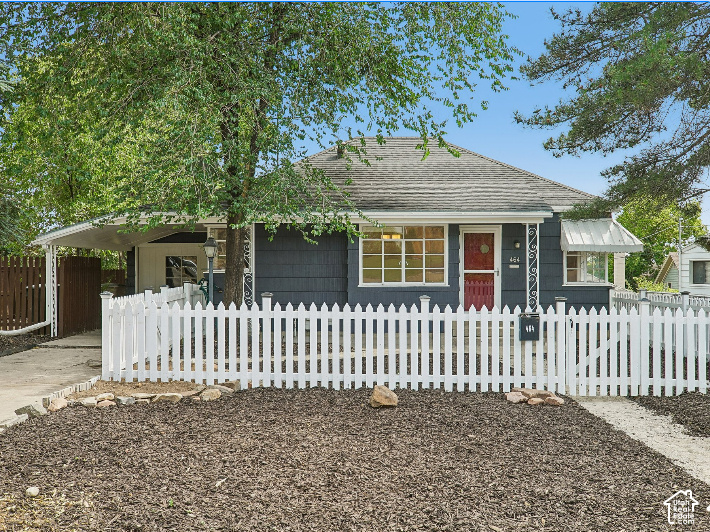
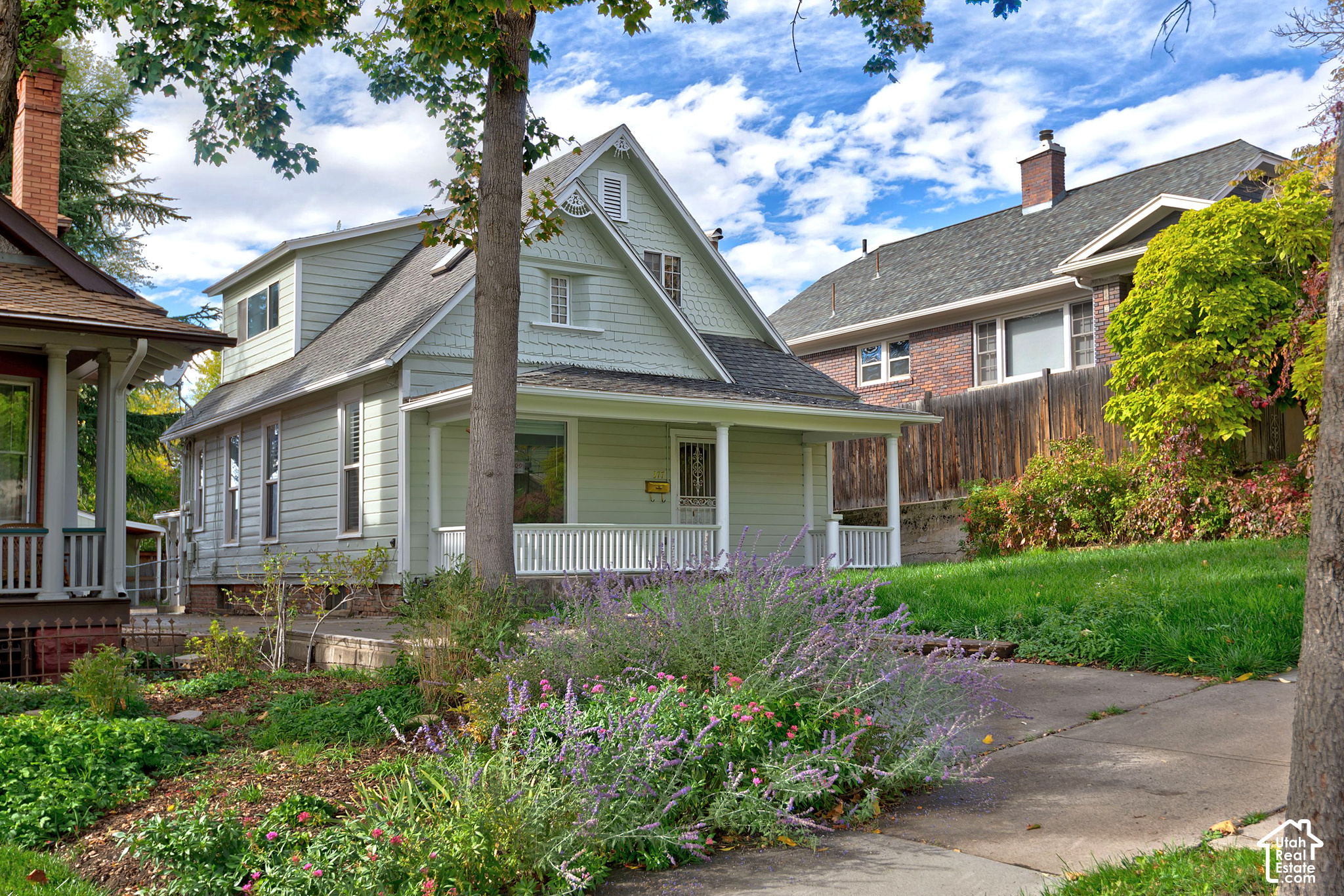
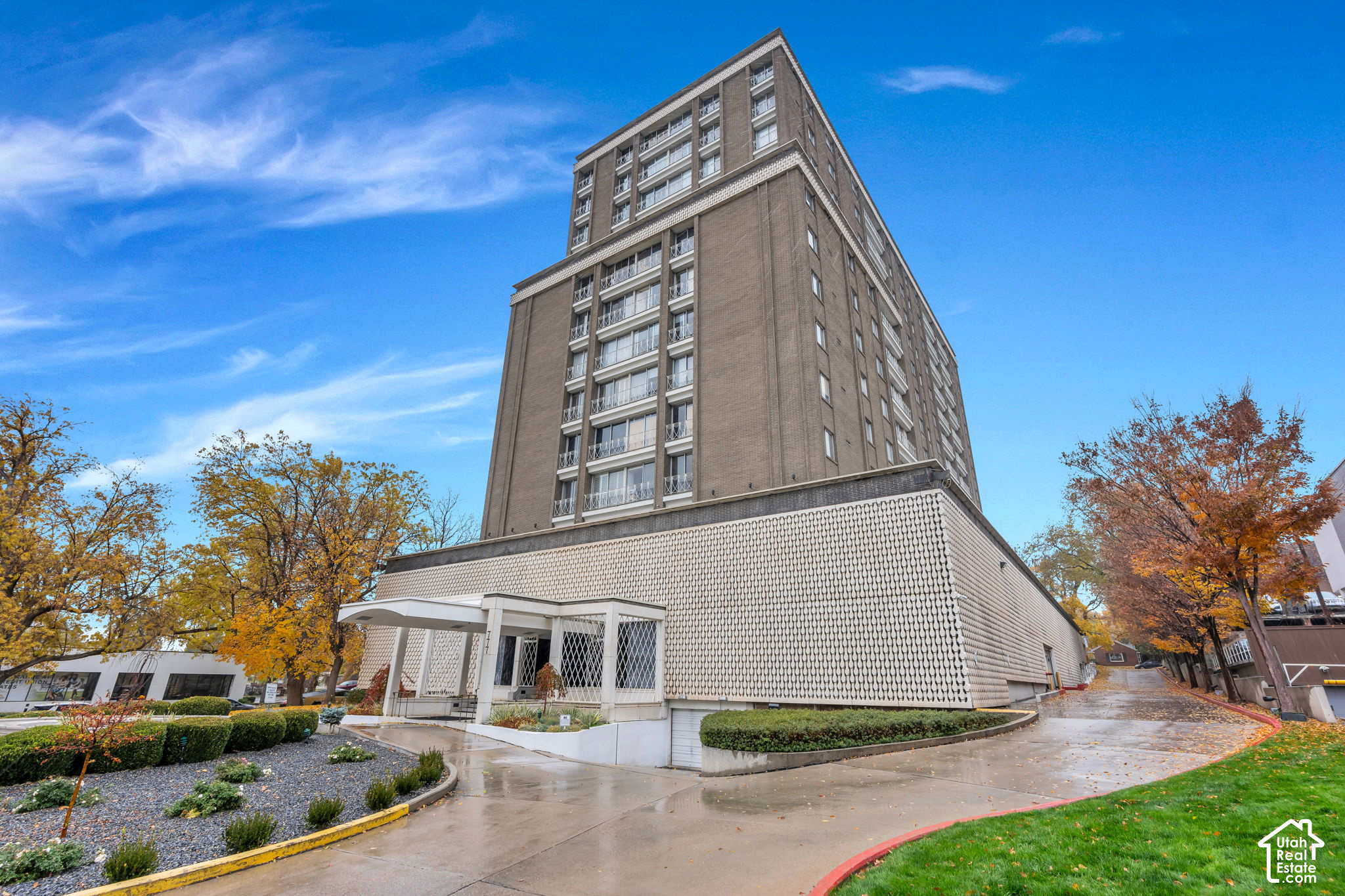
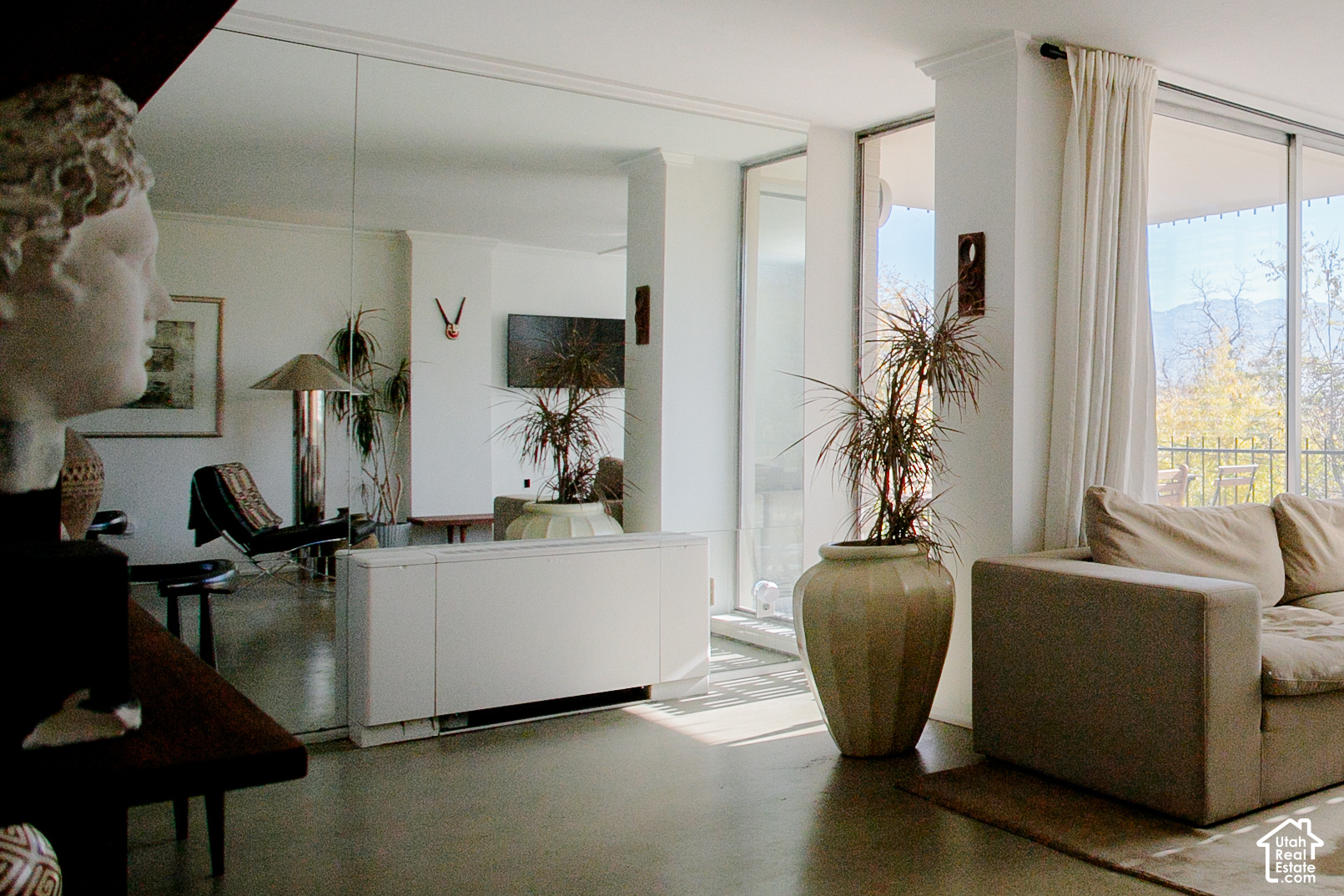
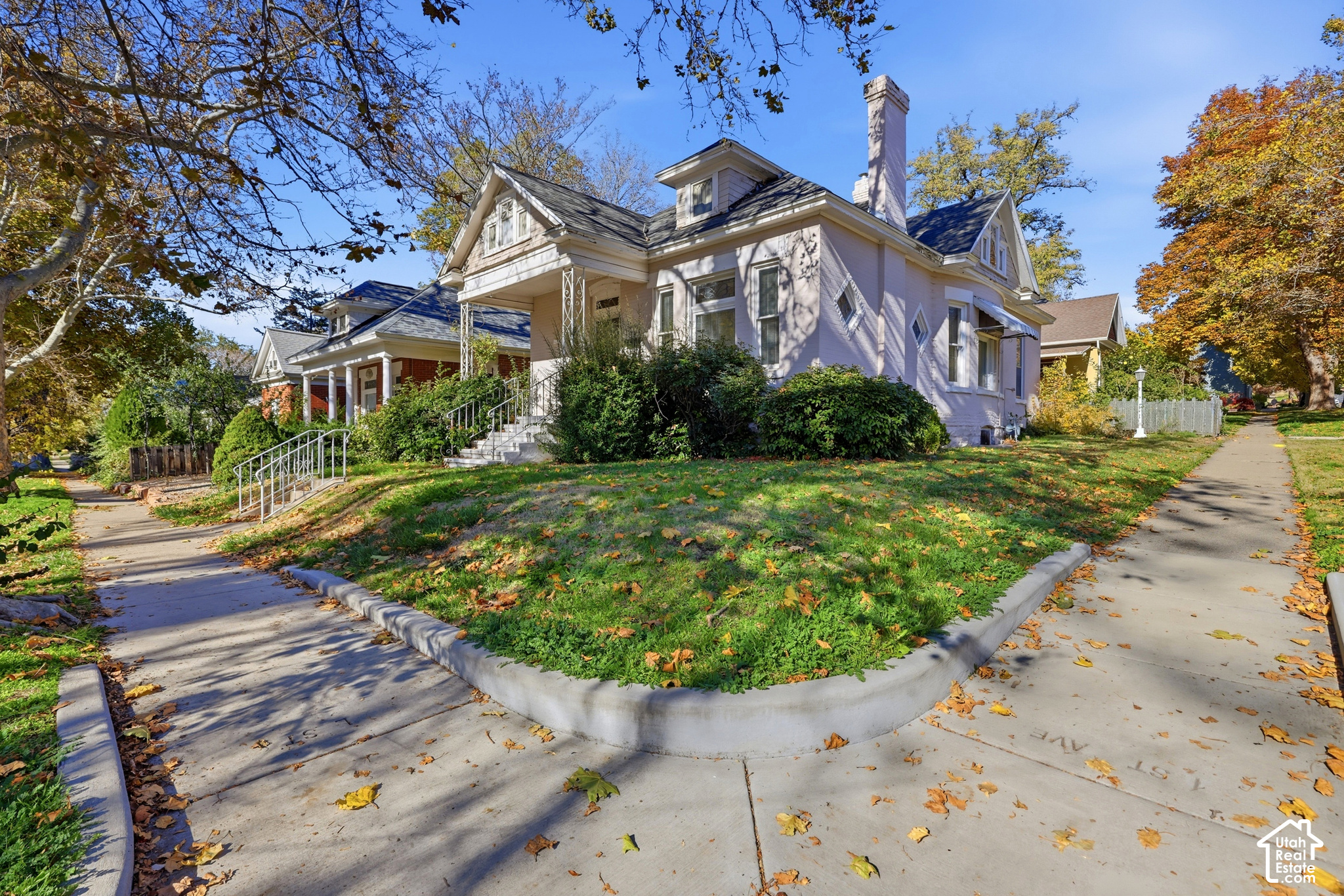
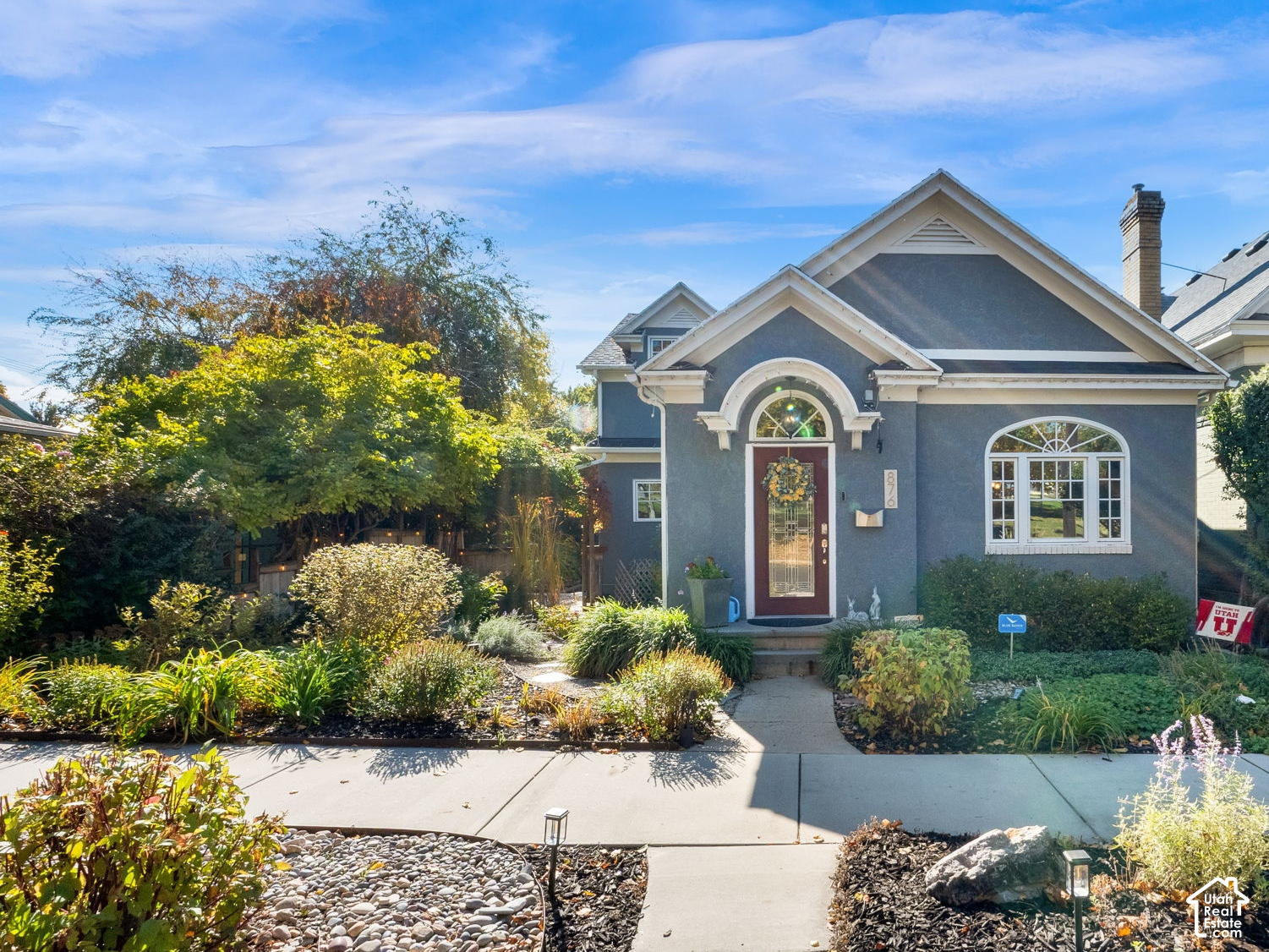
The Avenues is one of the oldest and most distinct neighborhoods in Salt Lake City, and once you've spent five minutes on its narrow, tree canopied streets you understand why people never want to leave. Tucked into the foothills just north and east of downtown, the Avenues homes for sale range from tiny Victorian cottages to grand century old mansions, all sitting on a street grid you won't find anywhere else in the valley. The Avenues Historic District covers nearly five hundred acres and includes well over a hundred original contributing buildings, which tells you just how much of that early character has survived intact. If you're considering Avenues real estate, here's what makes this neighborhood so different from everywhere else we sell in Salt Lake City.
The Avenues has an old money meets old bohemian energy that's hard to find anywhere else in the valley. This was one of Salt Lake's earliest trolley suburbs, developing in the late 1800s and early 1900s as the first meaningful deviation from downtown's rigid ten acre grid, and it still feels like a neighborhood built for walking, not driving, narrow streets, mature trees, and houses set close enough together that you actually know your neighbors. By the turn of the century it had become a predominantly middle and upper middle class streetcar suburb, and it's a favorite today for people who work downtown or at the University of Utah and want a short commute without giving up character.
What sets the Avenues apart from a lot of Salt Lake neighborhoods is how much personality lives on a single block. You'll pass a hundred year old Victorian, a mid-century infill home, and a beautifully restored bungalow all in the same short walk. It attracts a mix of longtime Salt Lake families, university faculty, young professionals, and empty nesters who want to downsize into something walkable without leaving the city. Like a lot of older American neighborhoods, the Avenues went through a real decline by the 1960s as newer, more affluent suburbs pulled residents away, but a dedicated Greater Avenues Community Council formed to push revitalization, and that community driven preservation effort is a big part of why the neighborhood looks the way it does today.
is really the whole story here. The Avenues Historic District, listed on the National Register since 1980, covers roughly 487 acres and includes 143 contributing buildings plus one contributing site, Brigham Young's grave in the Salt Lake City Cemetery, which tells you how much original character has survived. In the Lower Avenues, below about 11th Avenue, you'll find dense blocks of Victorian era cottages and Queen Anne style homes like the well known Barlow House, many of them once considered fixer uppers that have gone through serious renovation over the last couple of decades as the neighborhood's popularity has grown.
Head up into the Upper Avenues and the lots get bigger and the architecture shifts toward larger early to mid-20th century homes and more recent construction tucked into the winding, hillside streets. It's a genuinely unique grid too, since the Avenues uses lettered north-south streets, A Street through U Street plus Virginia Street, and numbered east-west avenues, 1st through 18th, instead of the standard downtown grid. Those original streets actually carried names like Fruit and Garden before the alphabetical letters were adopted by 1885 and the numbered avenue designations followed in 1907, a naming system that's stuck around for well over a century now.
Locals generally think of the neighborhood in two halves, the Lower Avenues closer to downtown with denser Victorian blocks, and the Upper Avenues climbing toward the foothills with more space and newer construction. Compared to neighboring Federal Heights just to the east, the Avenues trades larger estate lots for walkability, density, and a real mixed-era streetscape that spans well over a hundred years of Utah architecture in a single neighborhood.
Local Landmark: City Creek Canyon: This is the canyon the whole neighborhood grew up next to, and it's still one of the best kept secrets in the city. City Creek was the very first water source used by Mormon pioneers when they settled the valley in 1847, first carried through irrigation ditches and hand collected for households, then piped into a municipal system in 1866 for fire protection and drinking water, with chlorine disinfection added starting in 1917. Recreational overuse in the early 1900s eventually polluted the creek badly enough that the city closed the canyon to the public entirely from 1952 to 1966 while it built one of Utah's first municipal water treatment plants there. In 1985 the canyon was redesignated a protected nature preserve under the City Creek Canyon Master Plan, and a ten million dollar treatment plant upgrade was completed in 2006. Today it functions as both an active water source, draining over nineteen square miles of watershed, and a beloved recreation corridor with a paved road turned trail that Avenues residents use for walking, running, and biking practically every day of the year, a genuine working watershed sitting quietly at the edge of a major American city.
Value here depends heavily on which pocket you're in, a Lower Avenues Victorian prices very differently than an Upper Avenues estate, and historic details can add or subtract value depending on condition. We'll walk your street with you and give you real numbers based on what's actually selling nearby.
Beyond City Creek Canyon, the Avenues backs right up to Memory Grove Park, a quiet memorial park tucked into a ravine that feels a world away from downtown even though it's minutes from it, built as a tribute to Utah's war veterans. The historic Salt Lake City Cemetery, one of the largest municipal cemeteries in the country, doubles as a peaceful spot for a walk and a genuine piece of local history, including Brigham Young's grave, which is itself a contributing site to the neighborhood's historic district. Add in easy access to Capitol Hill and the state capitol grounds, and there's no shortage of green space and history to explore without ever getting in the car.
The neighborhood has a loyal, longstanding food and coffee scene that favors neighborhood spots over destination dining. Avenues Proper has been a neighborhood gathering spot for craft beer and pub food for years, and Cafe O'te and Avenue Bistro on Third bring a cozy, French inspired feel to the lower blocks that regulars swear by. On the coffee side, Moore Coffee and Heretic Coffee Co. both have a following among people who work from a laptop most mornings, the kind of places where the barista knows your order. It's not a huge commercial strip, and that's kind of the point, everything feels like a neighborhood spot instead of a destination people drive across town for.
The Avenues is genuinely walkable in a way a lot of Salt Lake neighborhoods aren't, with sidewalks, tree cover, and a tight historic grid that makes errands easy on foot, a direct legacy of its streetcar suburb origins even though the streetcars themselves are long gone. It's a quick drive or bus ride down into downtown, and bike commuters regularly use the neighborhood's streets to connect toward the University of Utah or downtown employers. The tradeoff is narrow streets and limited on-street parking in the Lower Avenues especially, which is worth knowing before you buy and something we always walk clients through in person.
Historic inventory here moves quickly, especially updated Victorians in the Lower Avenues and anything with real character intact. Let's set you up to see new listings as soon as they hit the market.
Yes, especially if you want walkable, tree lined streets close to downtown with a lot more character than most city neighborhoods. It's a strong fit for people who value history and community over a brand new build, and the active neighborhood council culture means residents genuinely stay engaged in how the area develops.
The Lower Avenues, generally below 11th Avenue, are denser with older Victorian cottages and closer to downtown, while the Upper Avenues climb into the foothills with larger lots and a mix of early and mid20th century homes plus newer construction. Both fall within the same historic district, but the feel and price point can differ quite a bit block to block.
The Lower Avenues, generally below 11th Avenue, are denser with older Victorian cottages and closer to downtown, while the Upper Avenues climb into the foothills with larger lots and a mix of early and mid20th century homes plus newer construction. Both fall within the same historic district, but the feel and price point can differ quite a bit block to block.
North-south streets are named alphabetically, A Street through U Street plus Virginia Street, while eastwest streets are numbered avenues, 1st through 18th. The system developed gradually, with letters adopted by 1885 and numbered avenues following in 1907, replacing earlier descriptive names like Fruit and Garden, and it's unique to this neighborhood within Salt Lake City.
Mostly Victorian era homes and Queen Anne cottages in the Lower Avenues, with early to mid-20th century homes and some newer construction as you move into the Upper Avenues. Much of the neighborhood sits within a National Register historic district covering nearly five hundred acres, so architectural character is protected and celebrated rather than an afterthought.
Very. Sidewalks, mature trees, and a tight historic grid make daily errands easy on foot, and it's a short walk or bike ride down into downtown Salt Lake City. That walkability is a direct legacy of the neighborhood's origins as one of the city's first streetcar suburbs.
The Avenues falls within Salt Lake City School District, with specific school assignments varying by address. Check the Schools data above for a given home, or reach out and we'll confirm it for you before you get too far into the search.
It's the canyon just above the neighborhood that has served as Salt Lake City's water source since the 1847 pioneer settlement, closed to the public between 1952 and 1966 to protect water quality and redesignated a protected nature preserve in 1985. Today it's both an active watershed and a popular walking, running, and biking corridor for Avenues residents.
Some, particularly in the Lower Avenues where streets are narrow and on-street parking is limited, a byproduct of the neighborhood being built well before cars were common. It's a fair tradeoff for a lot of buyers given the walkability and character, but it's worth touring in person and asking us about a specific street before you commit.
It can be a great fit, especially for families who value walkability, historic character, and proximity to downtown and the University of Utah, though lot sizes and yard space vary a lot block to block. The neighborhood's strong community council culture also means there's an active, engaged network of neighbors for new families to plug into.
How far is The Avenues from downtown Salt Lake City? Just minutes. Most of the Lower Avenues sit within an easy walk or short drive of downtown, which is a big part of the neighborhood's appeal for commuters who want city access without a long drive every day.
Buyers who want historic character, walkability, and a strong sense of neighborhood identity tend to love it here. If you're set on a brand new build or a big flat yard, there are other Salt Lake Valley neighborhoods that may fit better, and we're happy to help you compare the Avenues against those options honestly.
Yes, the Avenues Historic District was listed on the National Register of Historic Places in 1980 and covers roughly 487 acres, making it one of the largest historic districts in Salt Lake City. It includes 143 contributing buildings and Brigham Young's grave as a contributing historic site.
This is one of the most unique neighborhoods we sell in, and we'd love to walk you through it in person. Reach out anytime.
Figures as shown on this page.
Estimate only. Not a loan offer or quote.
Enter a home price and loan term greater than zero.
15,975 people live in The Avenues, where the median age is 40 and the average individual income is $73,584. Data provided by the U.S. Census Bureau.
Total Population
Median Age
Population Density Population Density This is the number of people per square mile in a neighborhood.
Average individual Income
The Avenues has 8,123 households, with an average household size of 2. Data provided by the U.S. Census Bureau. Here’s what the people living in The Avenues do for work — and how long it takes them to get there. Data provided by the U.S. Census Bureau. 15,975 people call The Avenues home. The population density is 9,510 and the largest age group is Data provided by the U.S. Census Bureau.
Total Population
Population Density Population Density This is the number of people per square mile in a neighborhood.
Median Age
Men vs Women
Population by Age Group
0-9 Years
10-17 Years
18-24 Years
25-64 Years
65-74 Years
75+ Years
Education Level
Total Households
Average Household Size
Average individual Income
Households with Children
With Children:
Without Children:
Marital Status
Blue vs White Collar Workers
Blue Collar:
White Collar:
There's plenty to do around The Avenues, including shopping, dining, nightlife, parks, and more. Data provided by Walk Score and Yelp.
Explore popular things to do in the area, including SB Dance, Massage and Fitness Studio, and Weaver Lindell MD.
| Name | Category | Distance | Reviews |
Ratings by
Yelp
|
|---|---|---|---|---|
| Active | 0.33 miles | 1 review | 5/5 stars | |
| Active | 0.87 miles | 1 review | 1/5 stars | |
| Active | 1.16 miles | 0 reviews | 0/5 stars | |
| Active | 1.19 miles | 0 reviews | 0/5 stars | |
| Active | 1.34 miles | 0 reviews | 0/5 stars | |
| Beauty | 0.92 miles | 0 reviews | 0/5 stars | |
| Beauty | 0.92 miles | 0 reviews | 0/5 stars | |
| Beauty | 0.99 miles | 0 reviews | 0/5 stars | |
|
|
||||
|
|
||||
|
|
||||
|
|
||||
|
|
||||
|
|