Rose Park is one of Salt Lake City's most distinctive west side neighborhoods, and it's also one of the most literal, the streets were actually laid out to look like a blooming rose from above. Built as an affordable postwar community along the Jordan River, Rose Park homes for sale are mostly solid brick, mid-century ramblers on bigger lots than you'll find in a lot of older Salt Lake neighborhoods. It's also one of the most ethnically diverse communities in the entire state, with a population that reflects decades of families choosing Rose Park real estate for its value, its space, and its genuine sense of community. If you're considering a move here, here's the story behind one of the city's most tight-knit communities.
Rose Park has a genuinely close community feel that a lot of newer subdivisions can't replicate. It grew up fast after World War II as returning veterans and their families needed affordable housing, and that same neighborly, working class energy has carried through generations. It's also one of the most ethnically diverse neighborhoods in the state, with Hispanic residents making up a significant share of the population alongside longtime Salt Lake families, and that diversity shows up in everything from the food to the annual community festival held each spring, a genuine neighborhood tradition rather than a manufactured event.
Because Rose Park sits across the railroad tracks and I-15 from the rest of the city, physically separated by barriers that go back to the 1870s railroad construction, it's always had a bit of its own identity, a little separate, a little overlooked, and residents tend to be proud of that independence rather than bothered by it. Early residents were predominantly non-Mormon blue collar workers employed by major railroads like Union Pacific and Southern Pacific, and today's residents work across every field imaginable, from accounting and engineering to real estate and law enforcement. It's an especially strong fit for buyers who want real value, bigger lots, and a genuine sense of community over proximity to downtown's busiest corridors.
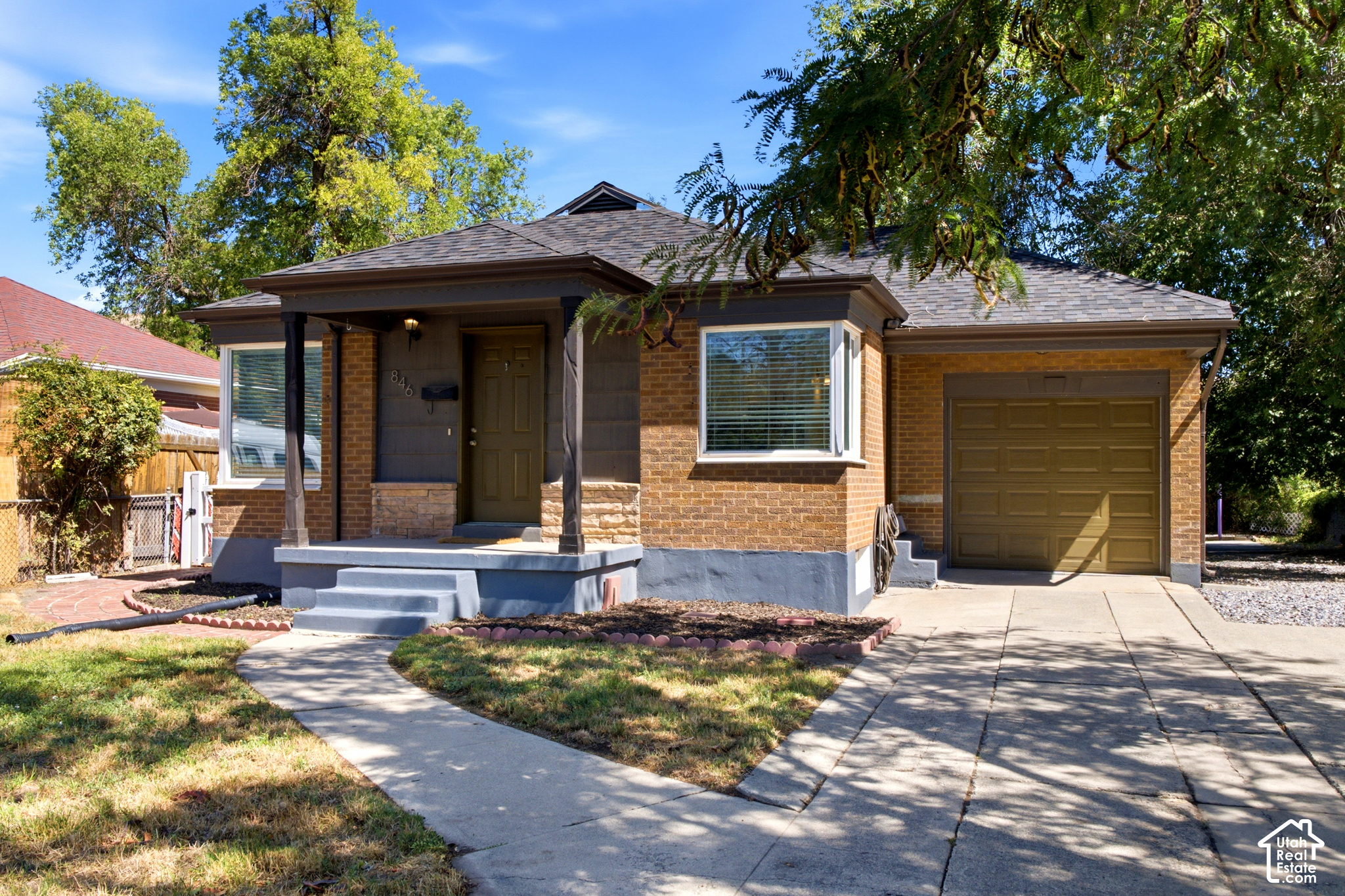
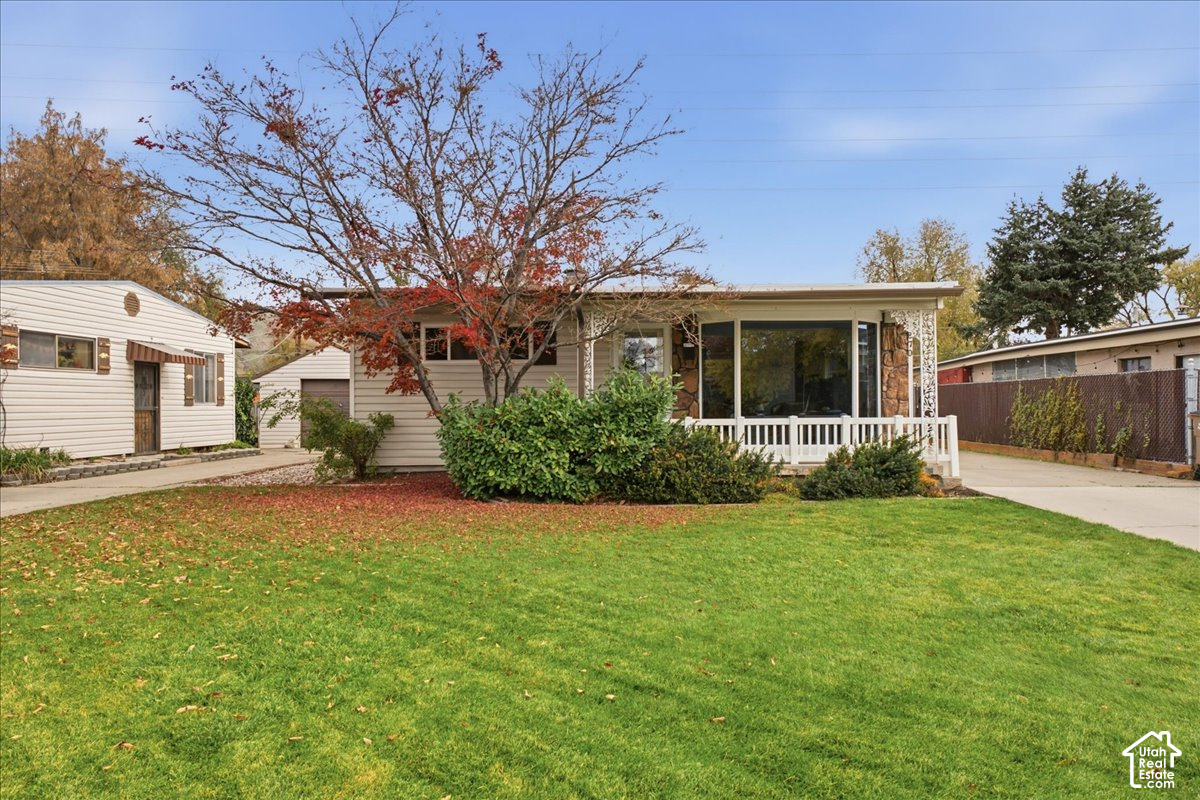
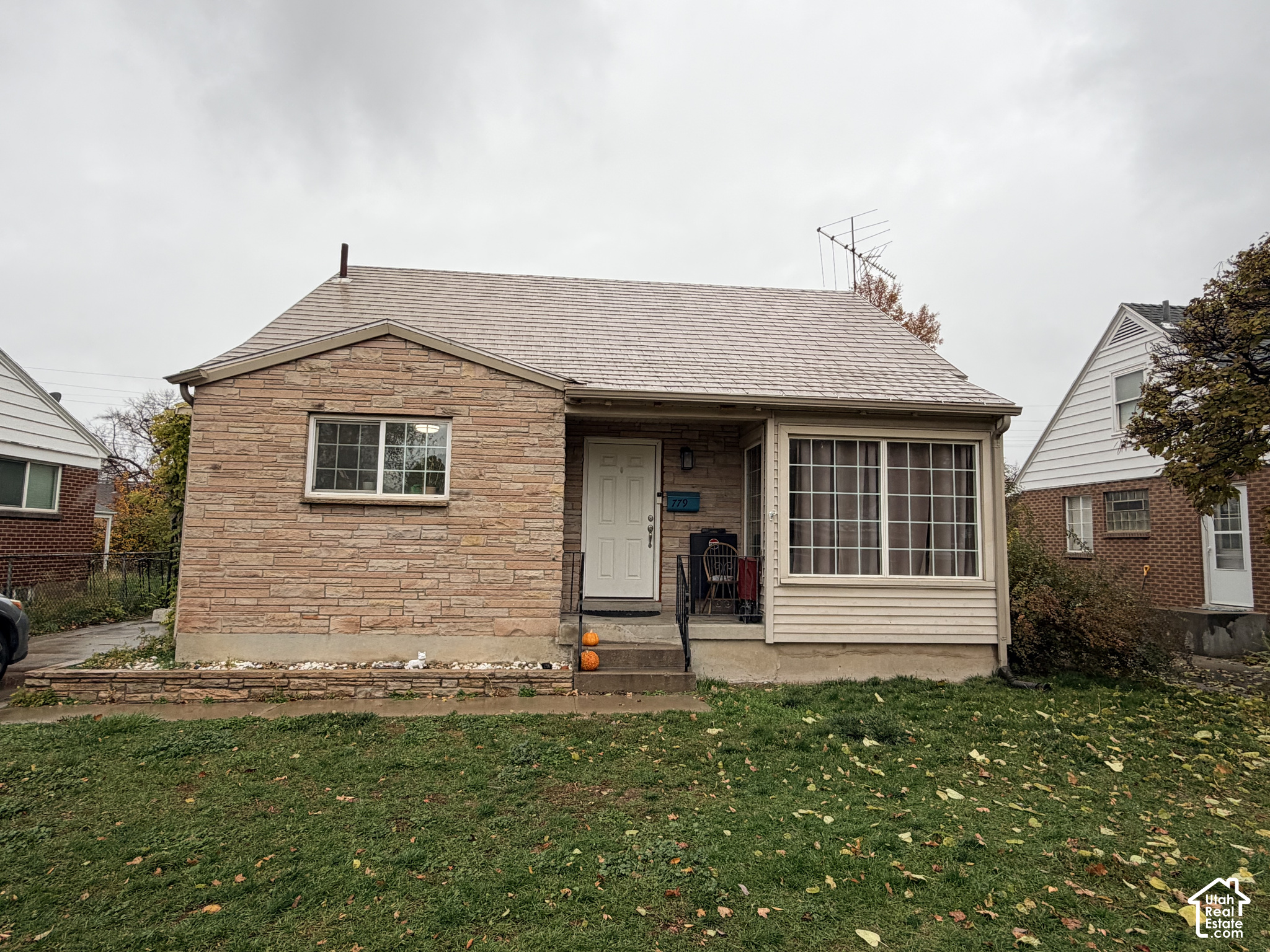
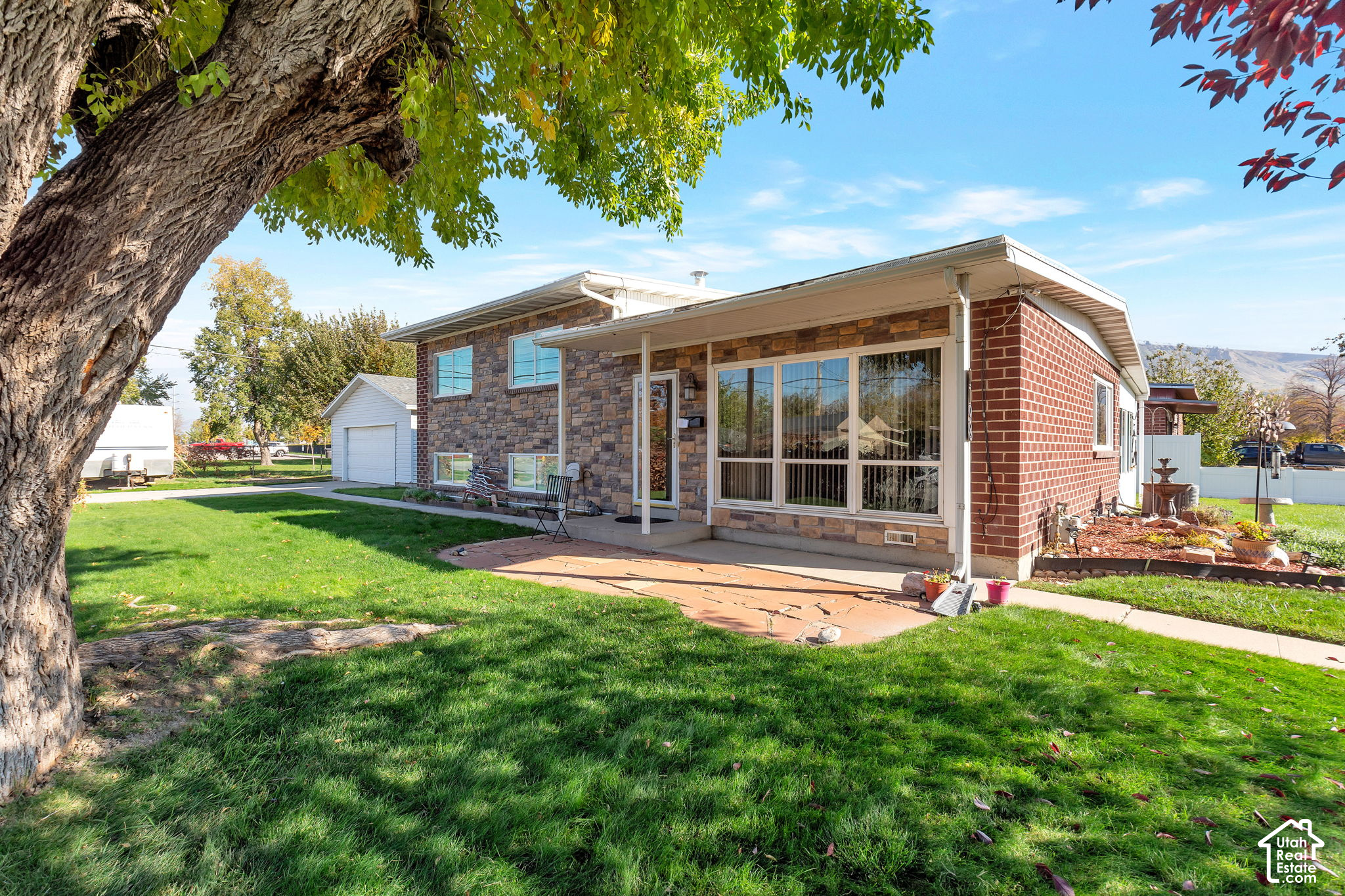
Almost all of Rose Park was built in a single concentrated wave during the late 1940s and 1950s, which gives the housing stock a consistent, classic postwar look, solid brick construction, mid-century modern lines, and lots that tend to run larger than comparable homes closer to downtown. Most homes fall in the range of sixteen hundred to eighteen hundred square feet, with mature trees planted by the original owners now towering over many streets, a detail that gives the whole neighborhood a settled, established feel despite being younger than areas like the Avenues or Yalecrest.
Because the whole neighborhood was master planned rather than built up piecemeal over decades, you get a rare level of architectural consistency here, which appeals to buyers who like a classic, well built rambler with room to update rather than a mix of eras on every block. Before it became Rose Park, this land was known as the Oakley Park Subdivision, marshy, spring fed ground that was really only good for cattle grazing, which makes the transformation into a fully planned residential community even more striking when you learn the backstory.
Rose Park isn't typically divided into separately named sub-neighborhoods, it was built and is still thought of as one cohesive, master planned community. Compared to a denser east side neighborhood, Rose Park offers noticeably more land per dollar, which has made it an increasingly popular option for buyers getting priced out of other parts of the city while still wanting a genuine yard and a quiet street.
Local Landmark: The Rose Shaped Streets: This is the detail that gives the neighborhood its name and its identity. Developer Alan E. Brockbank built Rose Park in the 1950s on what had previously been the Oakley Park Subdivision, marshy, spring fed land mostly good for grazing cattle. Rather than laying out another standard grid, Brockbank designed the original streets to form the shape of a blooming rose when viewed from above, with American Beauty Drive running through the plan like a long stem. The idea reportedly traced back to his own father, who had worked as a gardener at Buckingham Palace, and it's why so many streets in the neighborhood carry rose variety names to this day, a small personal touch from a father's career halfway around the world that ended up shaping an entire American neighborhood. It's a small detail most drivers never notice at ground level, but pull up an aerial view and the rose pattern is still there, more than seventy years later, largely unchanged from Brockbank's original vision.
Rose Park has seen real, steady demand as buyers look for more space for their money, and homes with updated interiors or larger lots are moving especially well right now. We'll give you an honest, current read on what your home could sell for.
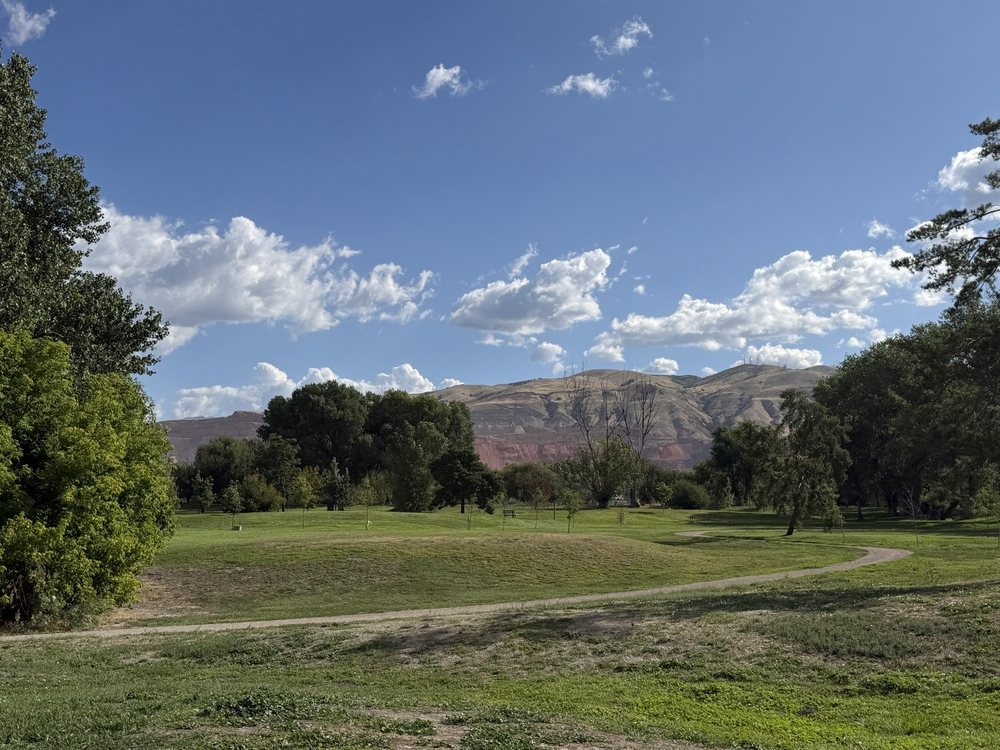
The Jordan River Parkway trail runs right along the neighborhood's edge, giving residents miles of walking and biking access along the river. Rose Park Golf Course is a longtime neighborhood fixture for a quick round, and Rose Park's own library and eco garden give the community gathering spots that feel genuinely local rather than imported. Just south along the river, the International Peace Gardens at Jordan Park are a short trip away and a favorite for a quiet afternoon walk, and the neighborhood's spring festival draws residents out for one of the more genuine community celebrations anywhere in the valley.
Rose Park and the surrounding west side have one of the best authentic Mexican and Latin food scenes in the city, from family run taquerias to longtime bakeries, reflecting the neighborhood's strong Hispanic community and decades of family recipes passed down through generations. It's a food scene built on genuine, generational cooking rather than trend chasing, and it's a big part of why people who grow up in Rose Park keep coming back even after they move away, whether that's for a specific taco truck or a bakery their family has visited for years.
sits just west of I-15, which makes for an easy, quick connection into downtown Salt Lake City or out toward the airport. The Jordan River Parkway adds a car free option for getting around by bike or on foot, and regular bus service connects the neighborhood to the rest of the valley, so even with its slightly separated feel, Rose Park stays well connected to everywhere else residents need to go.
Rose Park offers some of the best value per square foot in the city right now. Let's get you set up to see new listings as soon as they hit the market.
Yes, especially for buyers looking for more space and value along with a strong sense of community. It's one of Salt Lake City's most tight-knit and diverse neighborhoods, and residents who grow up here often come back to raise their own families in the same streets.
Developer Alan E. Brockbank designed the neighborhood's original streets in the 1950s to form the shape of a blooming rose from an aerial view, reportedly inspired by his father's career as a gardener at Buckingham Palace, and many streets are named after rose varieties as a result.
Mostly solid brick, mid-century ramblers built in a concentrated wave during the late 1940s and 1950s, typically sixteen hundred to eighteen hundred square feet, on lots that tend to run larger than comparable homes closer to downtown.
Yes, it's one of the most ethnically diverse neighborhoods in Utah, with a significant Hispanic and Latino population alongside longtime Salt Lake families, and that diversity is reflected in the neighborhood's food, culture, and annual community events.
Rose Park is served by Salt Lake City School District, with specific school assignments varying by address. Check the Schools data above or reach out and we'll confirm it for a specific home.
Yes, it's just west of I-15, which makes for a quick, easy commute into downtown or out toward the airport, even though the railroad and freeway give the neighborhood a bit of a separated, distinct feel from the rest of the city.
It's a paved trail system running along the Jordan River right at the edge of Rose Park, offering miles of walking and biking access without needing a car, and connecting to the International Peace Gardens at nearby Jordan Park.
Rose Park and the surrounding west side are known for an excellent, authentic Mexican and Latin food scene, with family owned taquerias and bakeries that have served the community for generations and built loyal followings well beyond the neighborhood itself.
It can be a great fit, with larger lots than many older Salt Lake neighborhoods, a public golf course, library, and eco garden, plus a strong, community oriented culture anchored by an annual spring festival that brings residents together.
Rose Park was built as one cohesive, master planned community in the postwar era rather than growing block by block over different decades, which gives it a consistent architectural style and a strong, distinct identity separate from downtown, right down to its literal rose shaped street plan.
Beyond the Jordan River Parkway and Rose Park Golf Course, the International Peace Gardens at nearby Jordan Park are a short trip south along the river and a popular spot for a quiet walk or a visit to see gardens representing cultures from around the world.
Developer Alan E. Brockbank built Rose Park in the 1950s on land previously known as the Oakley Park Subdivision, transforming what had been marshy grazing land into a fully planned residential community aimed at affordable housing for returning World War II veterans.
Rose Park offers some of the best value and community feel in the city, and we'd love to help you find your place in it. Reach out anytime.
Figures as shown on this page.
Estimate only. Not a loan offer or quote.
Enter a home price and loan term greater than zero.
10,639 people live in Rose Park, where the median age is 38 and the average individual income is $33,518. Data provided by the U.S. Census Bureau.
Total Population
Median Age
Population Density Population Density This is the number of people per square mile in a neighborhood.
Average individual Income
Rose Park has 4,099 households, with an average household size of 3. Data provided by the U.S. Census Bureau. Here’s what the people living in Rose Park do for work — and how long it takes them to get there. Data provided by the U.S. Census Bureau. 10,639 people call Rose Park home. The population density is 7,655 and the largest age group is Data provided by the U.S. Census Bureau.
Total Population
Population Density Population Density This is the number of people per square mile in a neighborhood.
Median Age
Men vs Women
Population by Age Group
0-9 Years
10-17 Years
18-24 Years
25-64 Years
65-74 Years
75+ Years
Education Level
Total Households
Average Household Size
Average individual Income
Households with Children
With Children:
Without Children:
Marital Status
Blue vs White Collar Workers
Blue Collar:
White Collar:
There's plenty to do around Rose Park, including shopping, dining, nightlife, parks, and more. Data provided by Walk Score and Yelp.
Explore popular things to do in the area, including La Estrella Bakery, Loco Burger - Rose Park, and Domino's Pizza.
| Name | Category | Distance | Reviews |
Ratings by
Yelp
|
|---|---|---|---|---|
| Dining | 0.86 miles | 0 reviews | 0/5 stars | |
| Dining | 1.19 miles | 0 reviews | 0/5 stars | |
| Dining · $ | 1.27 miles | 79 reviews | 1.8/5 stars | |
| Dining | 1.4 miles | 0 reviews | 0/5 stars | |
| Active | 0.24 miles | 0 reviews | 0/5 stars | |
| Active | 0.51 miles | 7 reviews | 4.7/5 stars | |
| Active | 0.72 miles | 0 reviews | 0/5 stars | |
| Active | 1.02 miles | 2 reviews | 4.5/5 stars | |
| Active | 1.3 miles | 0 reviews | 0/5 stars | |
|
|
||||
|
|
||||
|
|
||||
|
|
||||
|
|
||||
|
|