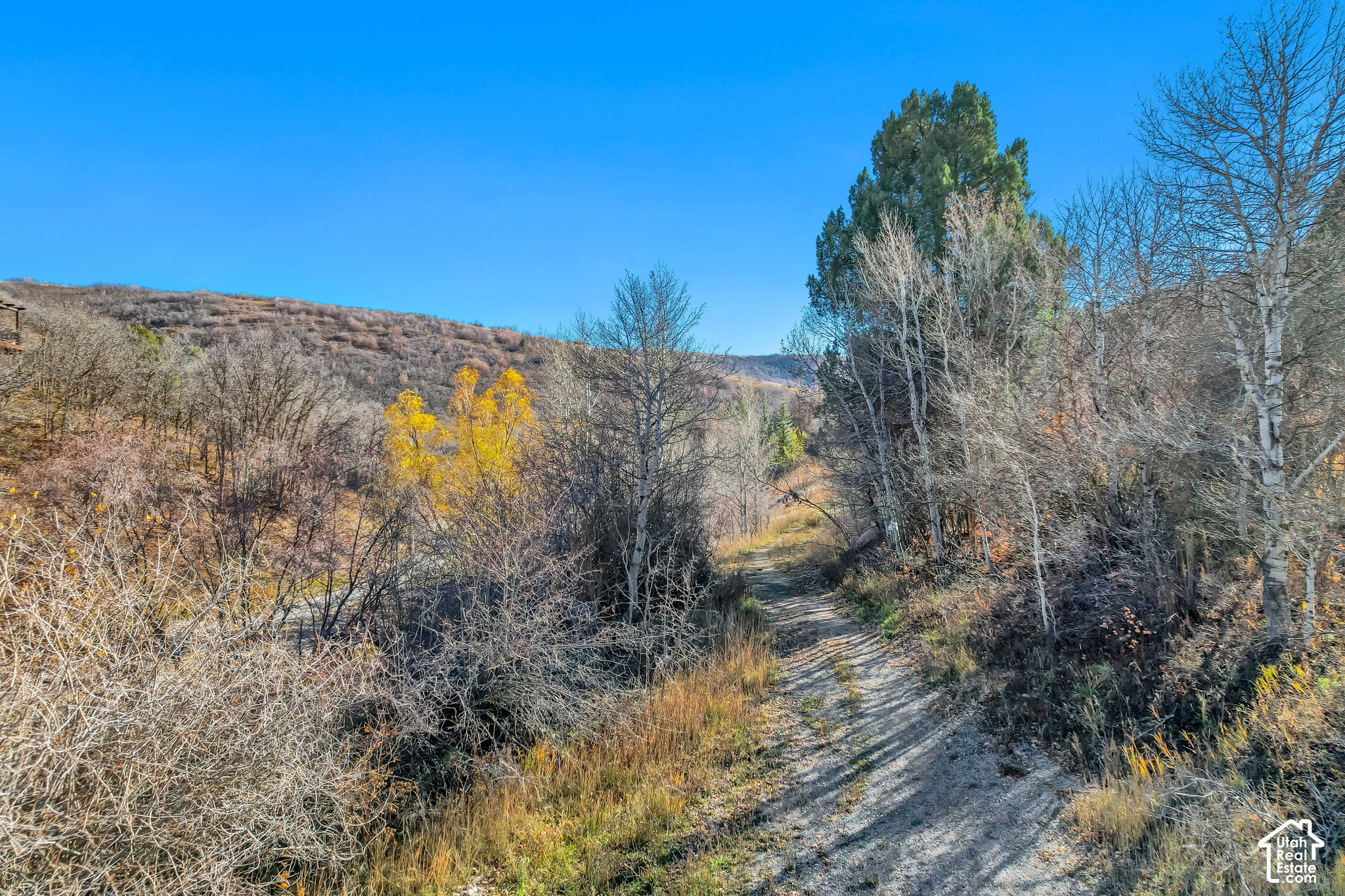
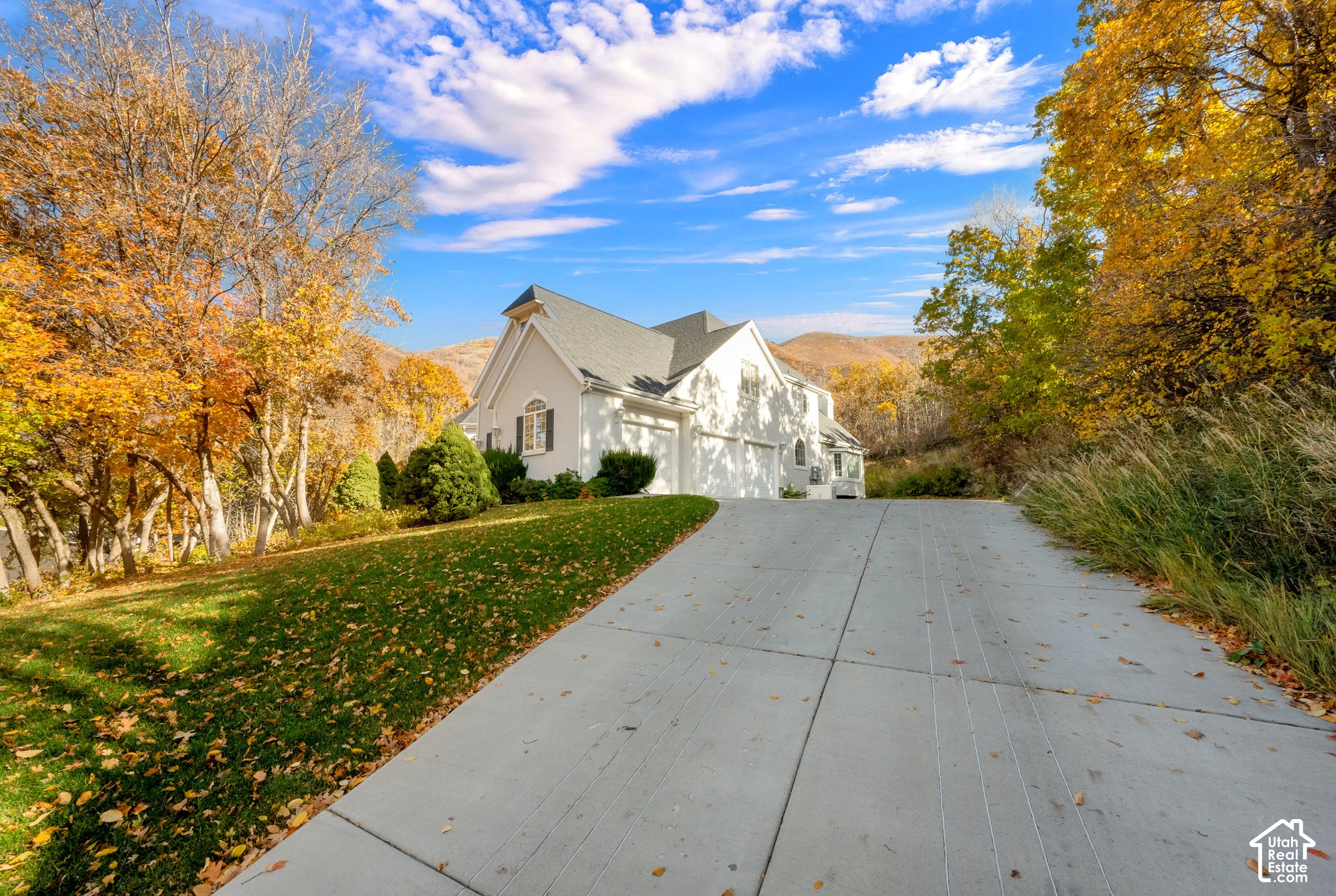
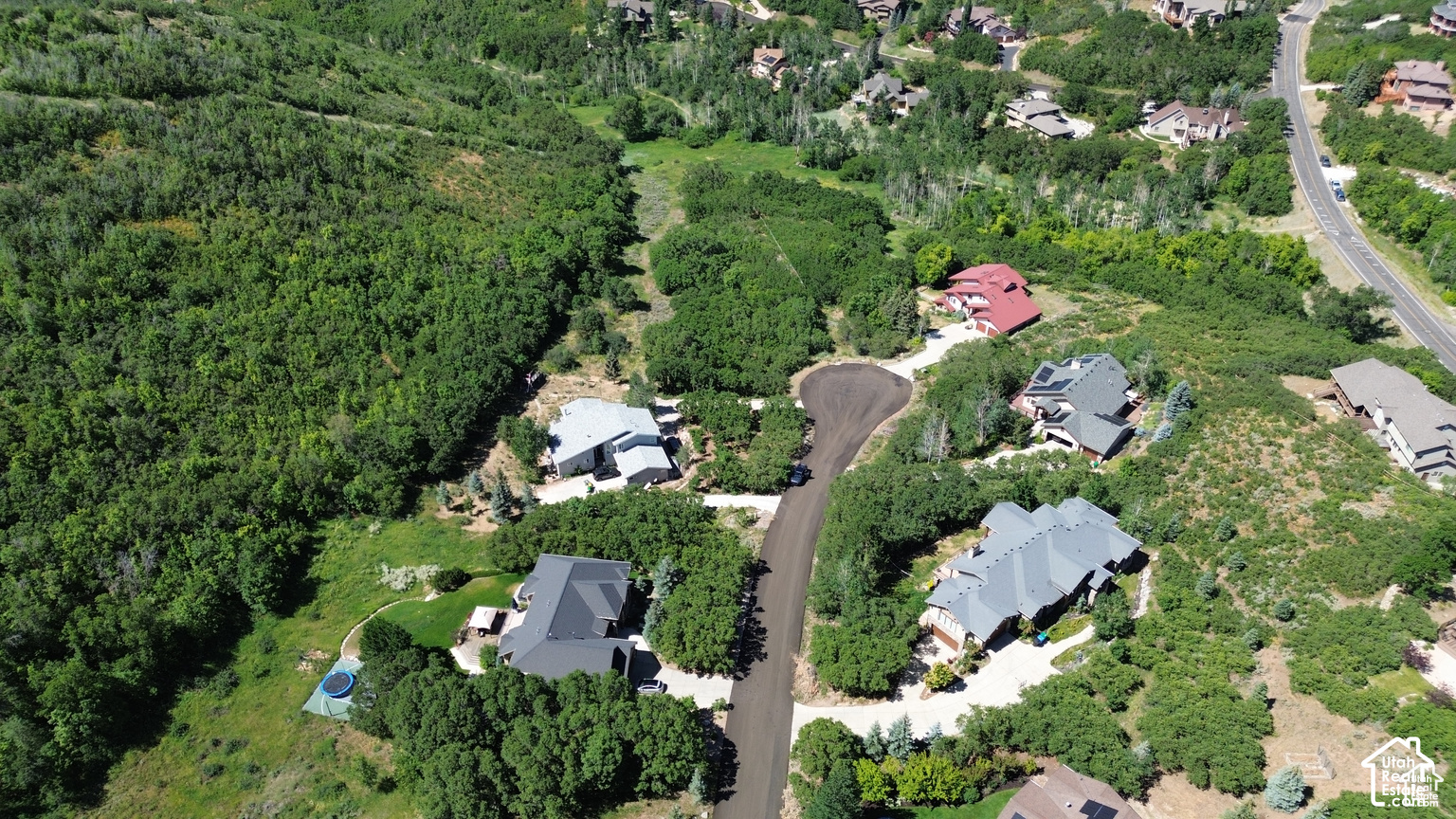
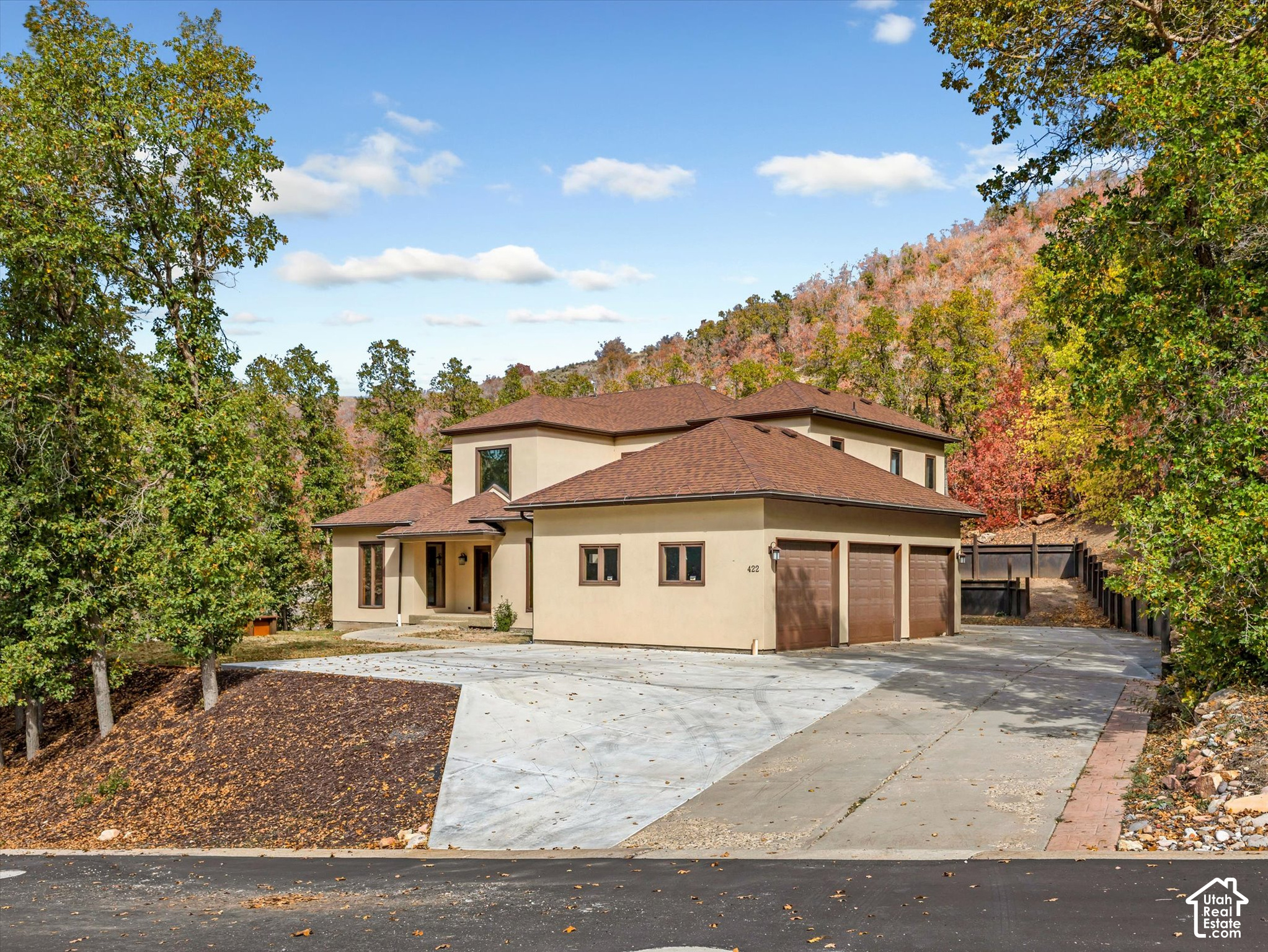
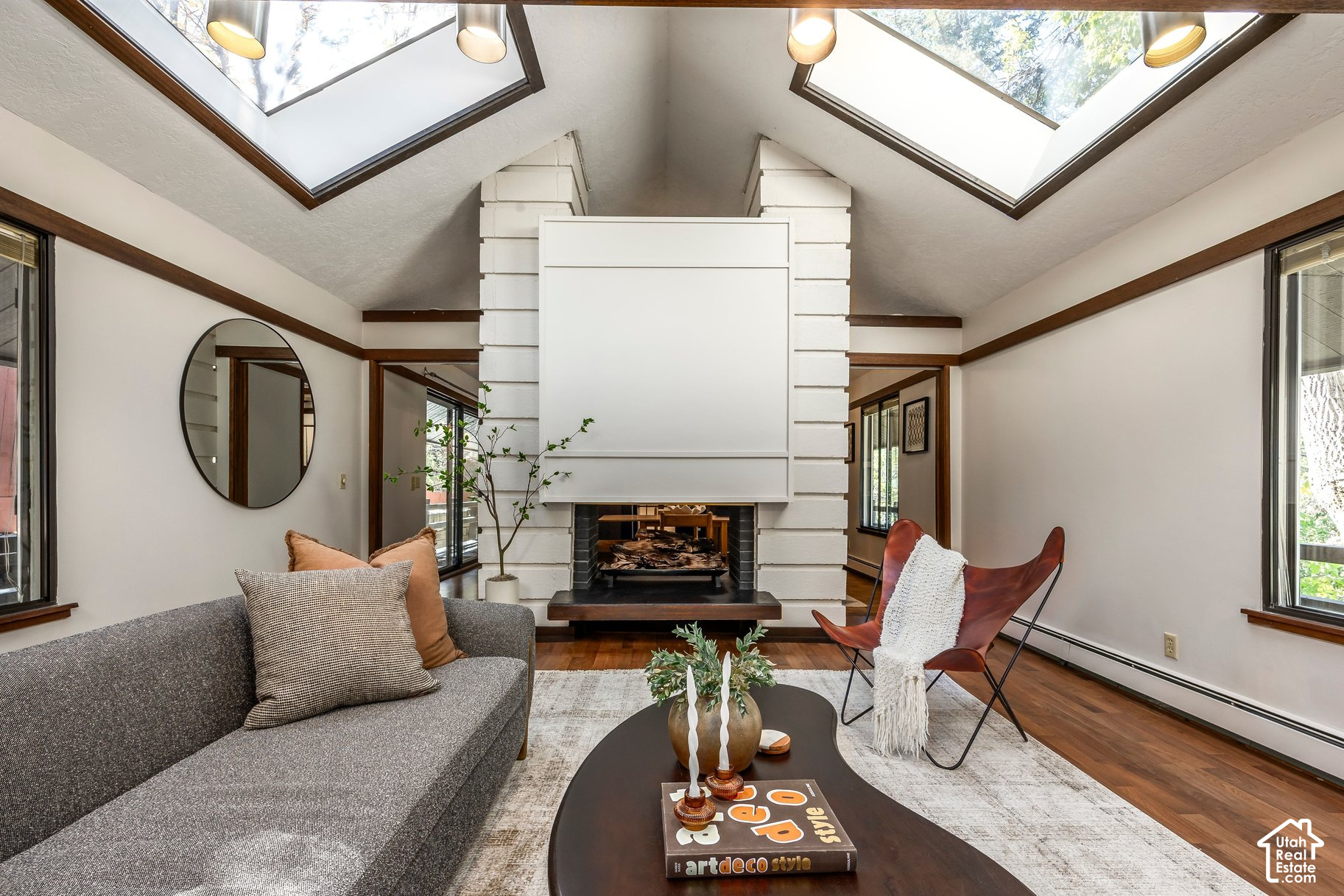
Emigration Canyon is a genuinely different way to live minutes from downtown Salt Lake City, a winding mountain canyon where homes sit among the pines instead of stacked on a city grid. Emigration Canyon homes for sale range from rustic cabins to custom mountain estates, all tucked into one of the most historically significant canyons in the entire state, the very route the Mormon pioneers used to first enter the Salt Lake Valley in 1847. The canyon spans over eighteen square miles but holds a population of only around fifteen hundred people, which tells you everything about the kind of space and privacy on offer here. If you're exploring Emigration Canyon real estate, here's what makes this community so different from anywhere else we sell.
Emigration Canyon has a genuinely rural, mountain town feel while still sitting just a few minutes from downtown Salt Lake City and the University of Utah. Homes are spread out along the canyon road and its side streets rather than packed into blocks, and a lot of residents choose the canyon specifically to get more privacy, more trees, and a quieter pace without leaving the valley entirely. It's a tight community too, small enough that neighbors know each other and turn out for the same local events year after year, a level of familiarity that's hard to find in a denser city neighborhood.
It attracts buyers who want space and mountain living but still want a short commute, cyclists and trail runners drawn to the canyon's famous climb, and families who like the idea of a rural feeling address that's still close to city amenities. It's not for everyone, winters mean real canyon driving and many properties rely on well water and septic systems rather than city utilities, but for the right buyer it's one of the most special settings in the valley, the kind of place people specifically seek out rather than stumble into.
Housing in Emigration Canyon is genuinely varied, older rustic cabins built decades ago sit alongside larger, more recently built custom homes designed to take advantage of the canyon's views and forested lots. Because the canyon covers over eighteen square miles with a relatively small population, lots tend to be larger and more private than almost anywhere else this close to Salt Lake City, and no two homes look quite alike, each one shaped by its own particular stretch of hillside or creek frontage.
Buyers should know that canyon living comes with canyon considerations, well water and septic systems are common outside the immediate townsite, and winter access and maintenance are real factors to plan for, especially on the more remote side canyons. We're happy to walk through exactly what that looks like for a specific property, since utility setup and road maintenance can vary meaningfully from one part of the canyon to another.
Emigration Canyon isn't divided into named sub-neighborhoods in the way a city is, homes are generally described by their mile marker or side canyon along the main road. Compared to a denser neighborhood like the Avenues just over the ridge, Emigration Canyon trades density and walkability for space, privacy, and a real mountain setting that's genuinely hard to replicate anywhere else this close to downtown.
Local Landmark: Ruth's Diner: Few restaurants in Utah have a story like this one. Ruth Evans opened Ruth's Hamburgers in downtown Salt Lake City back in 1930, after years working as a cabaret singer around the city's bars from roughly 1912 to 1916. When her downtown building was later sold and slated for demolition, Ruth didn't just find a new building, she bought an old Salt Lake trolley car, hauled it up Emigration Canyon, and reopened her diner there in 1949. She built an apartment onto the back of that trolley car, which is still the diner's lower dining room and kitchen today, and lived there alone with her Chihuahuas for nearly forty years, running the place entirely on her own terms and famously showing little patience for rules she disagreed with. Ruth sold the diner in 1977 to Curtis Oberhansly, a former regular who had frequented the place as a fraternity student in the 1950s and 60s, and he ran it for twenty five years before new owners took over in 2001. The trolley car bones and the canyon setting are still exactly where Ruth left them, and Ruth's Diner is now considered the second oldest restaurant in Utah, a genuine piece of the canyon's identity that long outlived the woman who built it with her own hands and her own stubborn will.
Canyon properties are valued differently than a standard city lot, acreage, views, access, and utility setup all matter. We'll give you an honest, current read on what your home could sell for.
The canyon itself is the draw, hiking and mountain biking trails branch off the main road throughout, and the 7.7 mile road climb is one of the most popular cycling routes in the Salt Lake Valley, drawing riders from all over the city on any given weekend morning. This Is the Place Heritage Park sits right at the canyon's mouth, marking where Brigham Young and the Mormon pioneers first entered the Salt Lake Valley in 1847 and famously declared it the right place to settle, and Hogle Zoo anchors the canyon entrance as well. Every July, the Deseret News Marathon runs straight through the canyon on Pioneer Day, turning the whole community into a cheering section for the morning.
Ruth's Diner is the anchor of the canyon's food scene and a destination in its own right, known for its patio and Sunday brunch as much as its history, drawing visitors from all over the valley on any given weekend. Camp Kostopulos, founded in 1967, also calls the canyon home as a longtime summer camp and recreation facility for people with disabilities, a genuine community institution in its own right. Beyond that, most day to day shopping and dining happens a short drive down the canyon into Salt Lake City proper, which most residents consider a fair tradeoff for the setting they get in return.
Emigration Canyon Road is the main artery in and out, connecting directly to Salt Lake City and the University of Utah area in just minutes. It's a beautiful drive most of the year, but winter conditions mean real snow driving, so buyers should plan for that as part of canyon life, and most residents keep winter tires or an all wheel drive vehicle on hand for the colder months. There's no public transit up the canyon itself, so a personal vehicle is essential for daily life here.
Canyon properties are unique and don't come up often. Let's get you set up to see new Emigration Canyon listings as soon as they hit the market.
Yes, especially for buyers who want privacy, space, and a mountain setting while staying just minutes from downtown Salt Lake City and the University of Utah. It's a genuinely unique lifestyle option this close to a major metro area.
Yes, it transitioned from a metro township to an incorporated city as of 2024, though it remains a small, rural feeling community with a population under two thousand spread across more than eighteen square miles.
A genuine mix, from older rustic cabins to larger, more recently built custom homes, most on larger, more private lots than you'd find in the city, each shaped by its own particular stretch of canyon terrain.
It varies by property. Well water and septic systems are common outside the immediate townsite, so it's worth confirming the setup for any specific home you're considering before you get too far into the process.
Emigration Canyon is served by Salt Lake City School District, with specific school assignments varying by address. Check the Schools data above or reach out and we'll confirm it for a specific home.
Just a few minutes. The canyon road connects directly to the east side of the city near the University of Utah and Hogle Zoo, making it one of the more convenient rural feeling addresses in the entire valley.
It's a historic restaurant built into an old trolley car that founder Ruth Evans hauled up the canyon in 1949 after her original downtown location was demolished. It's now considered the second oldest restaurant in Utah and remains a beloved local landmark.
Very much so. The canyon's 7.7 mile climb is one of the most popular road cycling routes in the Salt Lake Valley, drawing riders from across the city, especially on weekend mornings.
It sits at the mouth of Emigration Canyon and marks the spot where Brigham Young and the Mormon pioneers first entered the Salt Lake Valley in 1847. Part of the site is a National Historic Landmark, and it remains a popular visitor destination today.
It can require more care than driving in the city, since the canyon road climbs in elevation and sees regular snow. Most residents plan for winter tires or four wheel drive as a normal part of living in the canyon.
Emigration Canyon offers far more space, privacy, and a true mountain setting, while the Avenues offers density, walkability, and a classic urban neighborhood feel. They sit just over the ridge from each other but live very differently day to day.
The canyon itself stays mostly residential beyond Ruth's Diner, so most other dining and shopping happens a short drive down the canyon into Salt Lake City proper, which most residents see as a fair tradeoff for the setting.
Canyon living isn't for everyone, but for the right buyer it's hard to beat. Reach out and let's talk through what it actually looks like.
Figures as shown on this page.
Estimate only. Not a loan offer or quote.
Enter a home price and loan term greater than zero.
1,433 people live in Emigration Canyon, where the median age is 52.2 and the average individual income is $100,815. Data provided by the U.S. Census Bureau.
Total Population
Median Age
Population Density Population Density This is the number of people per square mile in a neighborhood.
Average individual Income
Emigration Canyon has 548 households, with an average household size of 2.61. Data provided by the U.S. Census Bureau. Here’s what the people living in Emigration Canyon do for work — and how long it takes them to get there. Data provided by the U.S. Census Bureau. 1,433 people call Emigration Canyon home. The population density is 79 and the largest age group is Data provided by the U.S. Census Bureau.
Total Population
Population Density Population Density This is the number of people per square mile in a neighborhood.
Median Age
Men vs Women
Population by Age Group
0-9 Years
10-17 Years
18-24 Years
25-64 Years
65-74 Years
75+ Years
Education Level
Total Households
Average Household Size
Average individual Income
Households with Children
With Children:
Without Children:
Marital Status
Blue vs White Collar Workers
Blue Collar:
White Collar:
There's plenty to do around Emigration Canyon, including shopping, dining, nightlife, parks, and more. Data provided by Walk Score and Yelp.
Explore popular things to do in the area, including Utah Girls Tackle Football League, and Miner's Trail.
| Name | Category | Distance | Reviews |
Ratings by
Yelp
|
|---|---|---|---|---|
| Active | 0.41 miles | 0 reviews | 0/5 stars | |
| Active | 1.42 miles | 0 reviews | 0/5 stars | |
|
|
||||
|
|
||||
|
|
||||
|
|
||||
|
|
||||
|
|