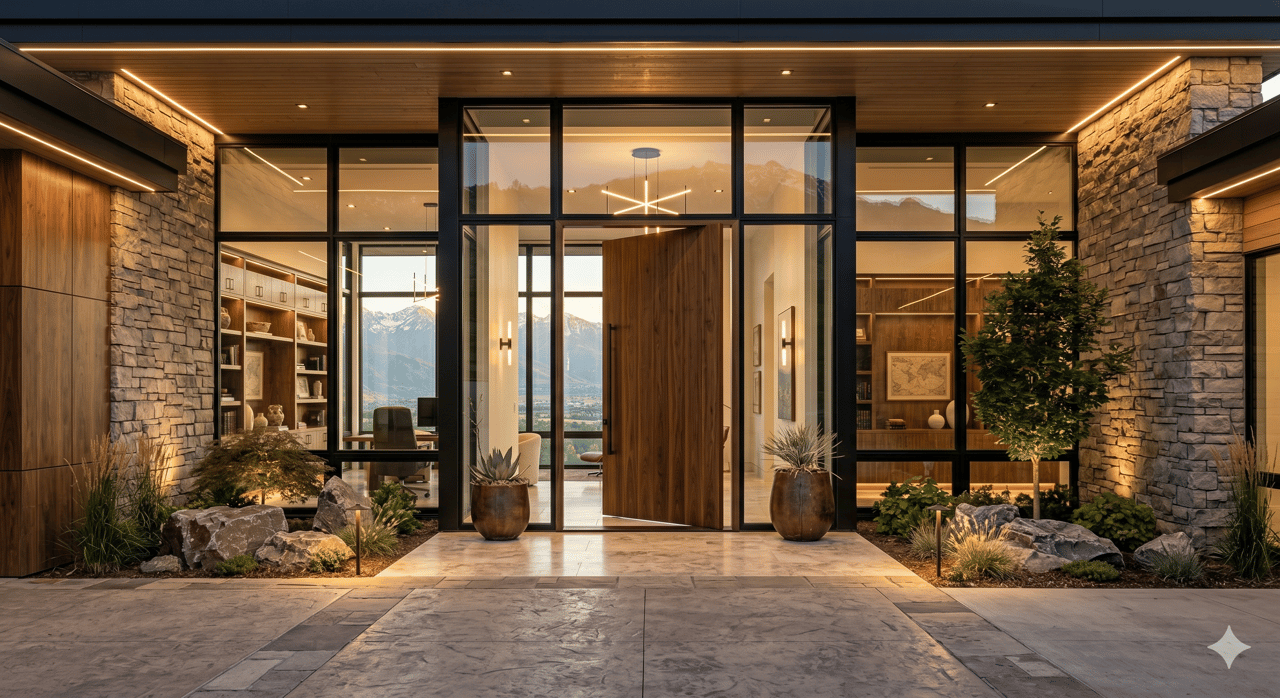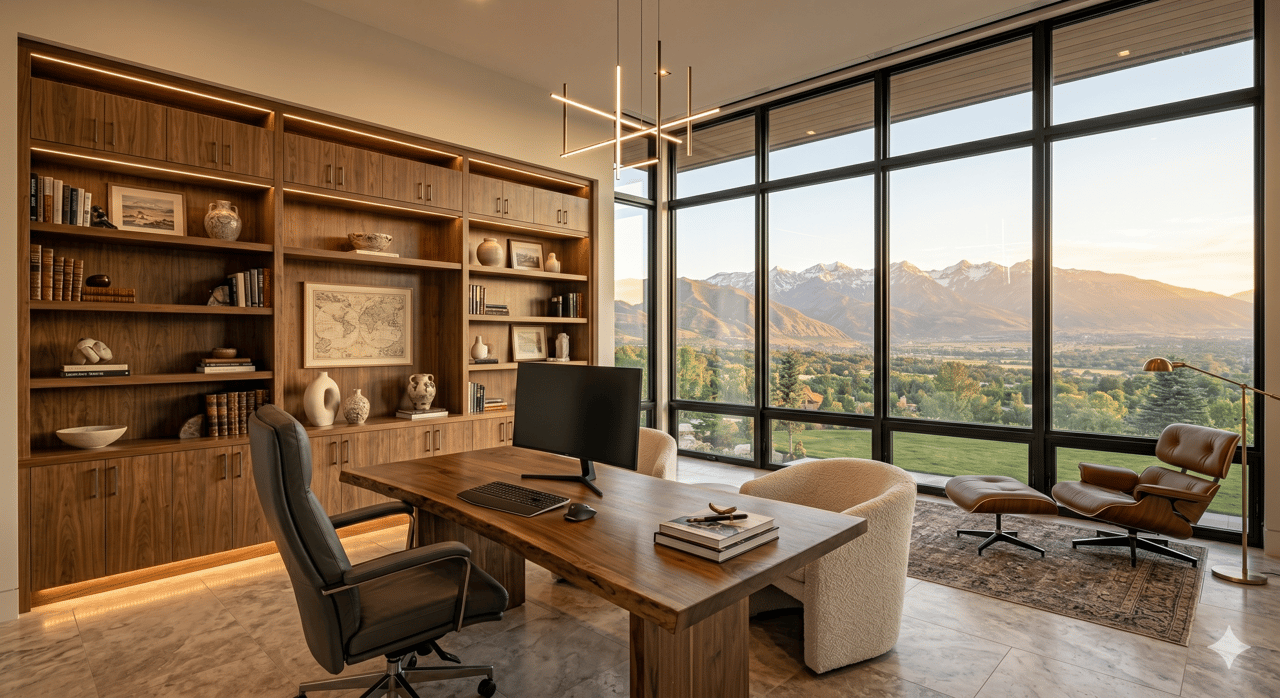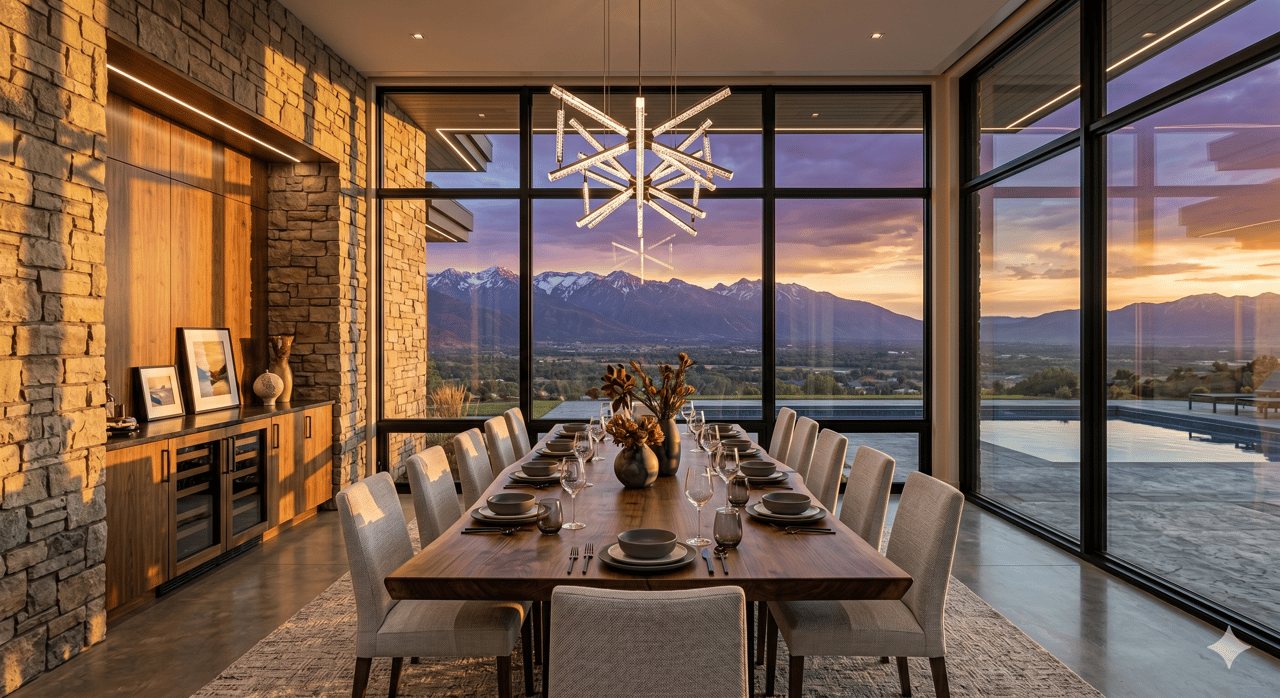
Why new construction matters to every Utah buyer, not just those buying new
Even if you are searching for a resale home, understanding what is happening in Utah's new construction market affects your decision making. Builders are direct competitors to resale sellers in many Wasatch Front submarkets, and the incentives builders offer can shift what buyers choose and how resale sellers need to price and present their homes.
New construction has been one of the more dynamic segments of Utah's housing market over the past several years, and 2026 brings a distinct set of conditions that every buyer and seller along the Wasatch Front should understand.
Where new construction is concentrated in Utah right now
The bulk of Utah's new single-family and townhome construction continues to happen in communities on the outer edges of the Wasatch Front where land is available and costs allow builders to produce homes at price points that generate sales volume. Eagle Mountain and Saratoga Springs on the west side of Utah Lake continue to be two of the most active new construction markets in the state, with multiple builders operating across a range of price points from the low $400,000s to the $600,000s and beyond. These communities have absorbed significant population growth and continue to see new subdivisions opening.
Lehi and the northern Utah County corridor remain active for new construction, particularly in higher price ranges where proximity to Silicon Slopes employment justifies the price premium. Communities like Traverse Mountain and the newer developments along the Lehi bench have seen continued builder activity.
In Salt Lake County, new single-family construction is more limited by available land, but townhome and attached product development continues in areas like Daybreak in South Jordan and various infill sites in West Jordan and Herriman. True single-family construction in established Salt Lake County communities is mostly limited to tear-down rebuilds and smaller subdivision infill projects.
What builders are offering in 2026
The incentive environment in Utah's new construction market has shifted meaningfully from the peak competition years of 2021 and 2022, when builders had waiting lists and offered nothing extra to get homes sold. Today's environment includes real concessions as builders work to move inventory and maintain sales velocity.
Rate buydowns have become the dominant incentive tool. A 2-1 buydown reduces the buyer's interest rate by 2% in the first year and 1% in the second year before settling at the note rate for the remaining term. On a $500,000 purchase with a 6.75% note rate, a 2-1 buydown funded by the builder might reduce the first-year payment by $400 to $600 per month and the second-year payment by $200 to $300 per month. That is real value, particularly for buyers whose income is expected to grow over time.
Permanent rate buydowns -- where the builder pays points to reduce the rate for the life of the loan -- are also available from some builders and worth comparing against the 2-1 structure depending on how long you plan to hold the loan.
Closing cost contributions, free upgrades in the design center, and lot premium waivers are additional tools builders are using to move inventory in communities where sales pace has slowed. The willingness to negotiate varies significantly by builder, by community, and by where a given lot sits in the sales timeline.
One important caveat: most builder incentives are tied to using the builder's preferred lender. The incentive may be worth accepting that requirement, but it is worth getting a competing quote from an outside lender and comparing the full picture -- rate, fees, and incentive value -- before committing. Sometimes the outside lender plus a price reduction negotiated with the builder produces a better outcome than the builder's incentive package.
How new construction affects resale sellers
In communities where builders are actively selling and offering meaningful incentives, resale sellers face direct competition. A buyer comparing a resale home to a new build in the same area at a similar price will weigh the newer construction, builder warranty, and incentive package against the established neighborhood, move-in readiness, and negotiability of the resale.
Resale sellers in markets with heavy new construction activity need to be particularly attentive to pricing and presentation. The buyers who choose resale over new construction are often doing so because of location within an established neighborhood, specific features, or price -- and in each of those categories, the resale home needs to genuinely compete.
What to watch in the second half of 2026
Builder starts and permits are a leading indicator of future inventory, and tracking whether Utah's builders are accelerating or pulling back on new starts provides useful signal about where inventory is headed. More supply generally helps buyers over time; constrained supply tends to maintain price support for sellers.
The interest rate environment will also continue to shape builder strategy. If rates decline meaningfully, builder incentives may compress as buyer demand strengthens without them. If rates stay elevated, the incentive environment is likely to remain favorable for buyers pursuing new construction.
If you are evaluating new construction options in any Wasatch Front community and want to compare them against what is available in the resale market, the home search tool covers both. And if you want to talk through the builder incentive landscape for a specific community you are considering, reach out and we can work through it together.