The core question sellers get wrong
Most sellers approach pre-listing upgrades with the wrong question. They ask: what should I improve? The better question is: what will a buyer in my price range pay more for, or be less likely to walk away from?
Those are related but different questions. A seller who renovates the master bathroom because it looks dated might spend $18,000 on a project that does not meaningfully change their sale price, because buyers at that price point were already expecting to update it themselves. A seller who spends $3,000 on fresh paint and new carpet might sell faster and for a better price because those two updates change how every buyer feels walking through the door.
Understanding the difference between improvements that change buyer behavior and improvements that simply cost money is the foundation of a smart pre-listing strategy.
Updates that consistently move the needle in Utah
Fresh interior paint is the highest-return pre-listing investment for most Utah homes. It is inexpensive relative to the impression it creates, and the visual impact of updated, neutral paint colors throughout a home changes how buyers experience the space. Utah homes built in the 1990s and 2000s often have paint palettes that read as dated today -- mauve, sage green, honey tones -- and painting over them with clean, current neutrals costs $3,000 to $6,000 for most homes and pays back many times over in buyer perception.
New carpet or cleaned and refinished flooring is often the second highest-impact update. Carpet that is 10 or more years old, stained, or compressed looks and smells like deferred maintenance even in a home that has been well-cared-for otherwise. New carpet throughout a typical Utah home runs $3,000 to $7,000 installed and eliminates one of the most common buyer objections. If you have original hardwood under carpet, refinishing it is almost always worth doing -- refinished hardwood significantly outperforms carpet in buyer appeal and is typically less expensive to restore than to replace.
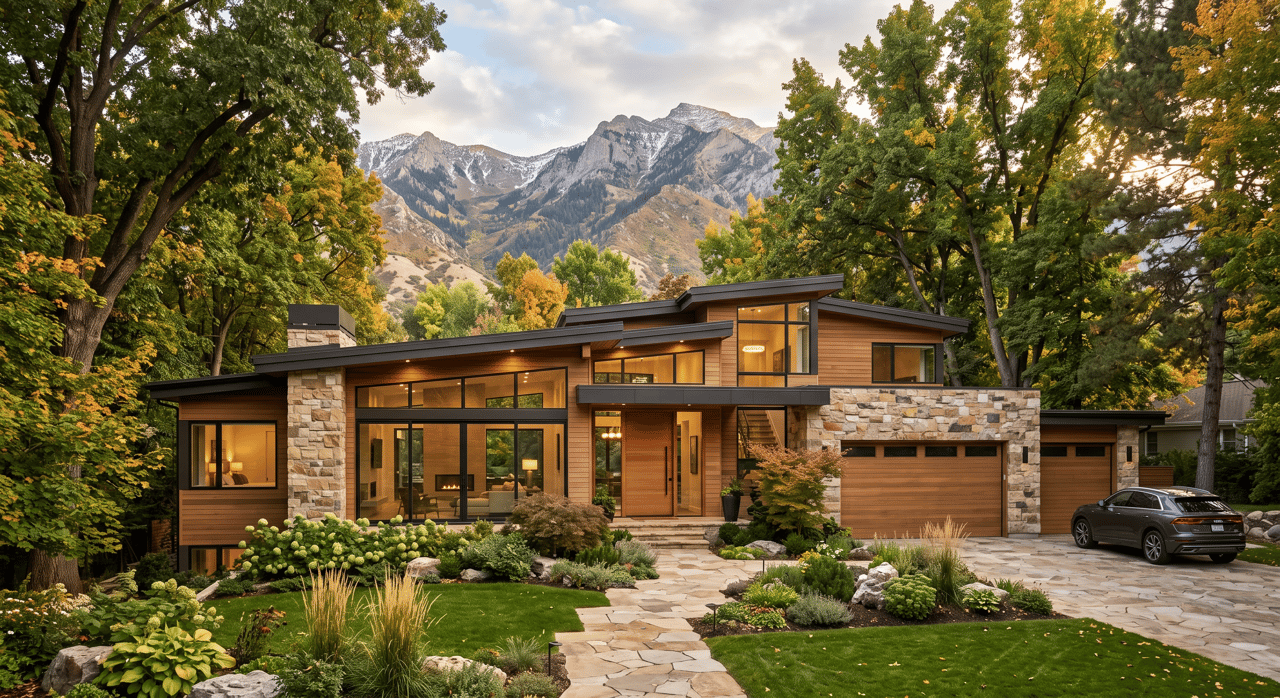
Landscaping and curb appeal directly affects how many buyers walk in the door. In Utah, many buyers drive neighborhoods before they ever schedule a showing, and a home with overgrown shrubs, patchy grass, or peeling trim gets mentally discounted before anyone steps inside. Power washing, fresh mulch, trimmed hedges, and touch-up paint on the exterior trim and front door are relatively inexpensive and create the first impression that sets the tone for the entire showing.
Kitchen and bathroom fixture updates at the cosmetic level -- new hardware, updated faucets, a replacement light fixture or two -- can meaningfully freshen spaces that would otherwise read as dated without requiring a full renovation. Swapping brushed nickel pulls for matte black, replacing a dated light fixture over the kitchen island, and upgrading the bathroom vanity light can be done for $500 to $2,000 and produce an outsized visual return.
Where sellers commonly over-invest
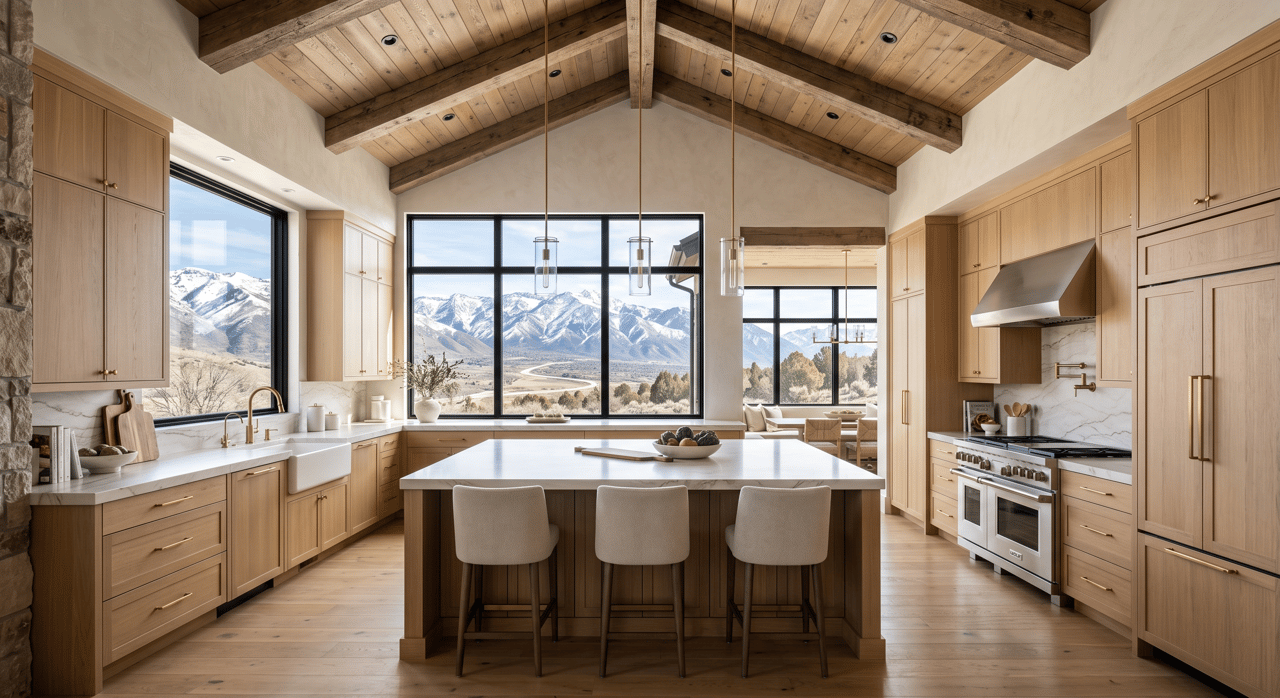
Full kitchen remodels are the most common pre-listing over-investment. A complete kitchen renovation including new cabinets, countertops, appliances, and flooring can cost $30,000 to $60,000 or more, and in most resale scenarios the seller does not recoup that full investment in sale price. Buyers at most Utah price points will form an opinion of a kitchen based on its overall condition and update level, and a well-cleaned, freshly painted kitchen with updated hardware and a new faucet will often perform nearly as well as a fully renovated one at a fraction of the cost.
Full bathroom renovations have a similar dynamic. Unless a bathroom has a genuine functional problem -- a broken fixture, water damage, serious tile failure -- a cosmetic refresh is almost always a better investment than a full gut renovation before selling.
High-end landscaping additions like new hardscape, pergolas, or large water features rarely return their cost in a resale context. Buyers assign lower value to these additions than sellers typically paid for them.
Unusual or personalized improvements that reflect the seller's specific taste rather than broad buyer preference almost never recover their cost. A wine cellar, a themed room, or a highly specific design choice appeals to a narrow subset of buyers and can actually make the home harder to sell by narrowing the audience.
How I help sellers build a smart prep plan
When I prepare to list a home, I walk through it with the seller and think about it from the perspective of the buyers who will tour it. The question I am constantly asking is: what will cause a buyer to lower their offer or walk away, and is it cheaper to fix that now or negotiate around it later?
Some things are always worth fixing before listing. Others are better disclosed and priced around. The right answer depends on the specific home, the price point, and the current market conditions in that submarket.
If you are thinking about listing your Utah home in the next few months and want to build a realistic prep plan, the seller's guide covers the full preparation and listing process. And if you want a walkthrough of your specific home with a prioritized list of what to address, reach out and we can set that up.