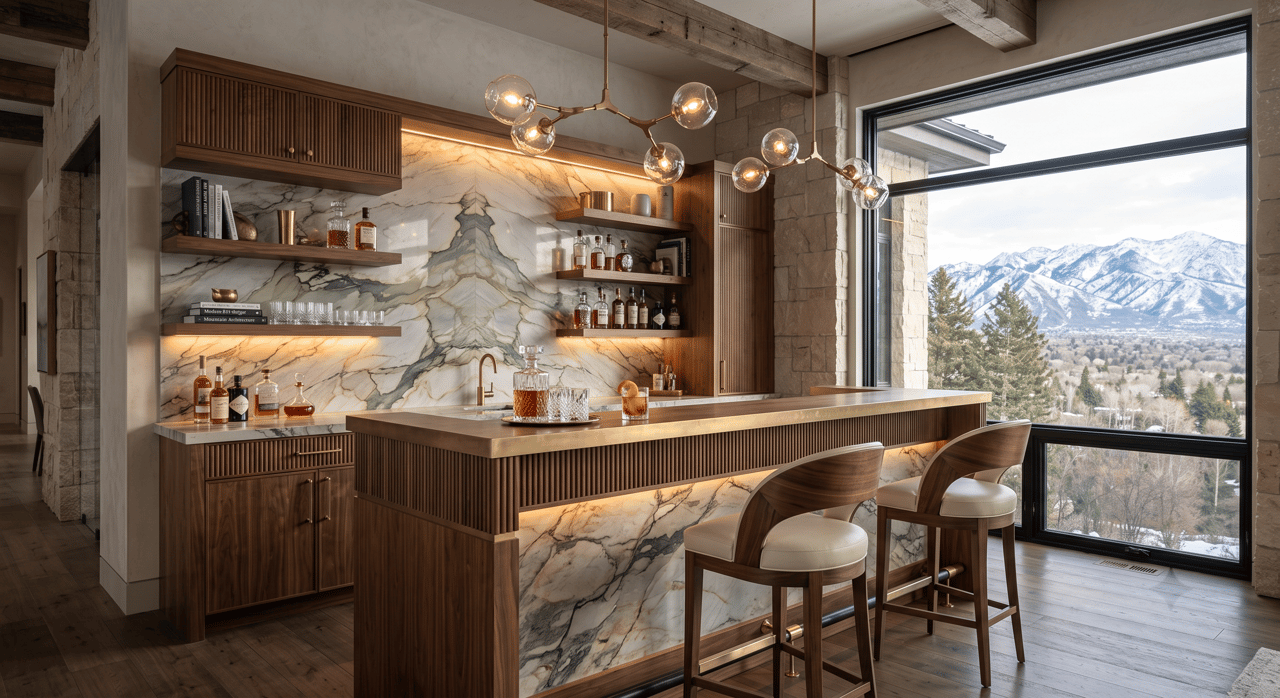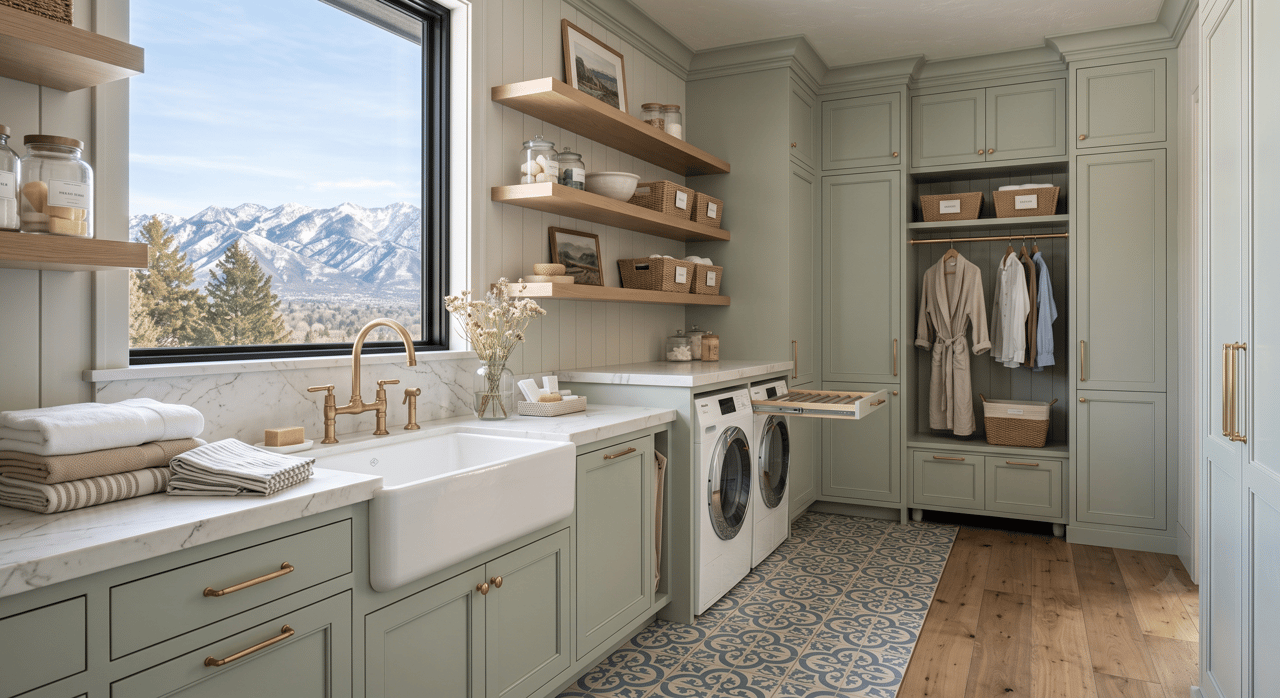
The conversation about what to fix, update, or improve before listing a home is one that every seller goes through, and the advice they get isn't always grounded in what actually moves buyers. Contractors want work. Interior designers have opinions. Friends have suggestions based on what they personally liked about a house they once saw.
What actually matters is what buyers in your specific price range and neighborhood notice, respond to, and use to justify their offer. Here's a more grounded take on where improvement dollars tend to pay off and where they tend to disappear.
What Universally Helps: Cleanliness, Condition, and Presentation
Before anything else, a home needs to be clean, decluttered, and show-ready. This isn't renovation — it's presentation. And yet it has a more measurable impact on speed of sale and offer price than most projects buyers consider.
Buyers notice everything that's dirty, cluttered, or broken in a negative way. A spotless, decluttered, well-lit home reads as cared-for and ready to move into. That perception matters. Deep cleaning, including windows, grout, appliances, and everything a cleaner normally skips, is almost always worth the investment.
Minor repairs that buyers will notice matter too: dripping faucets, doors that don't close properly, broken window latches, outlet covers that are cracked, and light fixtures with burned-out bulbs. None of these are expensive to fix, and leaving them signals deferred maintenance in a way that invites buyers to wonder what else hasn't been addressed.
Paint
Fresh paint is one of the highest-return-on-investment improvements you can make before selling. It's relatively inexpensive, transformative in terms of how a home photographs and shows, and it signals that the property has been maintained. Neutral colors are the goal — not white necessarily, but the kind of warm greige palette that appeals broadly rather than divides opinion.
If you can only do one project before listing, fresh paint on the interior is the one to do.
Carpet and Flooring
Old, worn, or stained carpet is a consistent deal-killer in certain price ranges. Buyers in the entry-level and mid-range market are particularly sensitive to it because they're already stretching financially and can't easily absorb the cost of replacing flooring on top of a purchase. If your carpet is at or past end of life, replacing it before listing is usually worth the cost.
Hardwood that needs refinishing is worth doing. Luxury vinyl plank is a popular and cost-effective choice when replacing flooring throughout a home and shows well.
Kitchen Updates: The Nuance
The advice you'll hear is that kitchens sell homes. There's truth to it, but the implication that you should spend $40,000 on a kitchen remodel before listing is where a lot of sellers go wrong.
Full kitchen remodels almost never return their cost when you're selling. If you have a $350,000 home and you spend $45,000 remodeling the kitchen, the new kitchen doesn't automatically add $45,000 to your sale price. Buyers in that range aren't expecting a magazine kitchen, and they're not paying for one.
What does help in a kitchen: painting or re-facing cabinet doors (much cheaper than replacing them), replacing hardware, updating light fixtures, replacing a dated faucet, and ensuring appliances are clean and functional. These improvements collectively read as "the sellers took care of this space" without costing what a full remodel would.
If the kitchen is genuinely original from 1985 and the counters, appliances, and cabinets are all at end of life, the calculation changes. At that point, the home's price likely already reflects the condition, and a modest refresh may help more than a full gut.
Bathrooms
Similar logic applies. A full bathroom remodel before selling rarely returns its full cost. But a clean, well-maintained bathroom with updated fixtures, a new toilet seat if needed, and fresh caulk around the tub reads as well-maintained. If your bathroom has a cracked mirror or broken tile, fix those. If the vanity is dated but functional and the rest of the bathroom is clean, leave it alone.
Landscaping and Curb Appeal
First impressions happen before a buyer walks through the door. Clean-up — pulling weeds, trimming overgrowth, adding fresh mulch, planting seasonal color — costs relatively little and creates the right initial impression. Power-washing the driveway and walkways is inexpensive and effective.
Major landscaping projects generally don't return their cost in a sale. Buyers have their own vision for outdoor spaces and will often redo them regardless of what you've done.
Projects to Approach Carefully
Major renovations generally don't pay off when you're selling. Swimming pools, sunrooms, and high-end additions rarely recover their full cost at the time of sale. If you're doing these projects to enjoy for years before selling, that's a different calculation. Doing them specifically to sell higher is usually a losing proposition.
Highly personalized improvements — bold tile choices, unusual additions, anything that strongly reflects a specific aesthetic rather than broad appeal — can actually reduce your buyer pool rather than expand it.
The Seller's Practical Formula
Fix what's broken. Paint. Replace flooring that's past its life. Clean everything. If the kitchen or bathrooms have surface-level cosmetic issues, address those with modest updates rather than full renovations. Take the money you would have spent on a major project and price your home correctly based on its actual condition.
For a fuller view of what preparation and presentation look like before listing, staging your home on a budget covers the presentation side of this process in more detail.
If you want a walkthrough of your specific home and an honest opinion about what's worth addressing before you list, that's a conversation I'm happy to have. Sometimes the answer is do less than you're planning. Sometimes it's do more in a specific area. The right answer depends on your home, your market, and your timing.