The fixer-upper fantasy versus the fixer-upper reality
There is a version of the fixer-upper story that goes like this: you buy a dated home for $80,000 below market, put $40,000 into it, and end up with $40,000 in instant equity and a home that is exactly the way you want it. That story is real — it happens, and for the right buyer with the right home in the right market, it is genuinely one of the better paths to building equity quickly.
There is another version that goes differently. The dated home turns out to have a deferred maintenance problem that was not visible until demolition, the contractor who quoted $40,000 comes back at $65,000 after the walls are open, the project takes 8 months instead of 3, and you end up living in a rental the whole time while paying both rent and a mortgage on a home you cannot occupy. That version also happens, more often than HGTV would suggest.
Which version you are likely to experience depends on how clearly you understand your own situation before you buy.
How renovation costs actually look in Utah right now
Utah's construction market has been through significant stress over the past several years. Labor costs for skilled tradespeople have increased substantially, and contractor availability remains tighter than it was before 2020 in many Wasatch Front markets. Getting multiple bids and waiting weeks for contractor availability is normal.
As a rough planning framework, these figures are approximate and vary by contractor, location, and project conditions. A full kitchen renovation typically runs $30,000-$70,000 depending on layout changes, appliances, and finish level. A bathroom renovation runs $8,000-$20,000 for a standard guest bath, more for a primary with custom tile. New flooring throughout a 2,000-square-foot home runs $8,000-$18,000 installed. A full exterior paint job runs $4,000-$9,000. A roof replacement runs $10,000-$22,000 depending on size, pitch, and material.
Those numbers add up faster than most buyers expect, which is why renovation budgets need a 20-30% contingency built in on top of any estimate. The home you cannot fully evaluate until demolition starts almost always reveals something the initial walk-through did not.
When a fixer-upper makes sense in Utah
A fixer-upper makes the most sense for buyers who have a clearly defined renovation scope, a realistic budget that includes contingency, access to financing that covers the renovation (like an FHA 203k or a conventional renovation loan), and either the time and skills to manage a project or the funds to hire a general contractor to manage it.
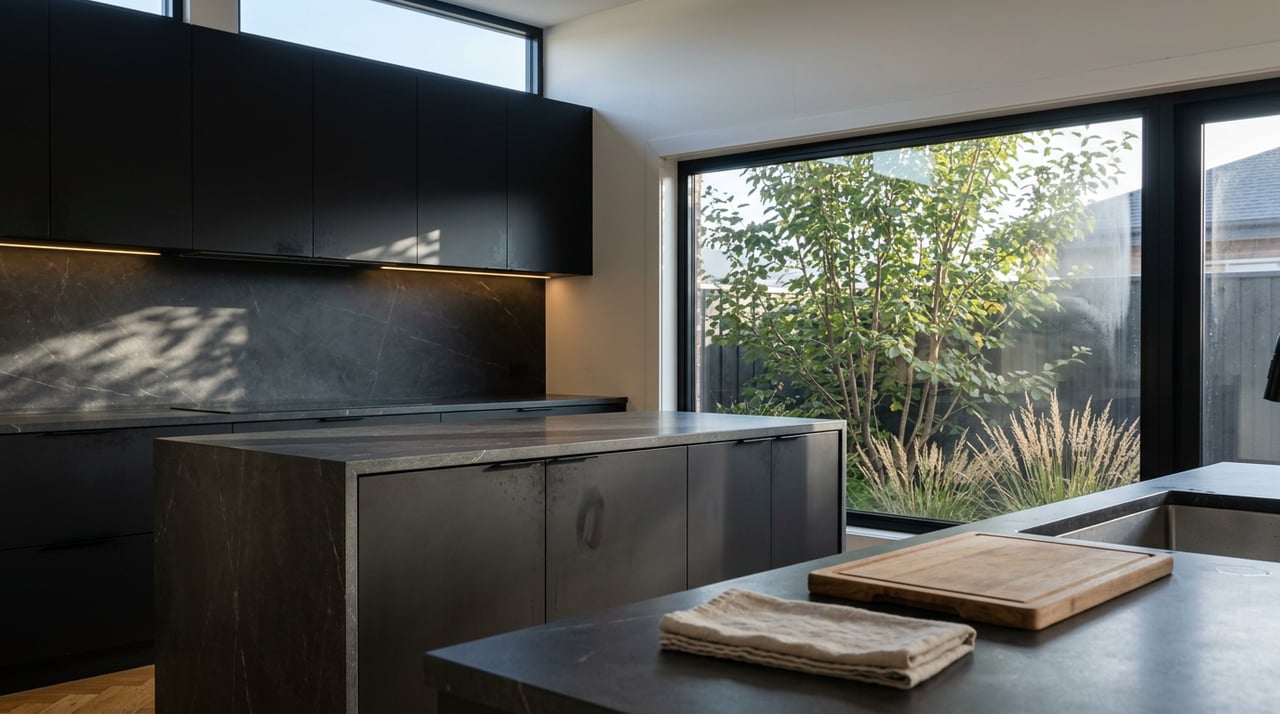
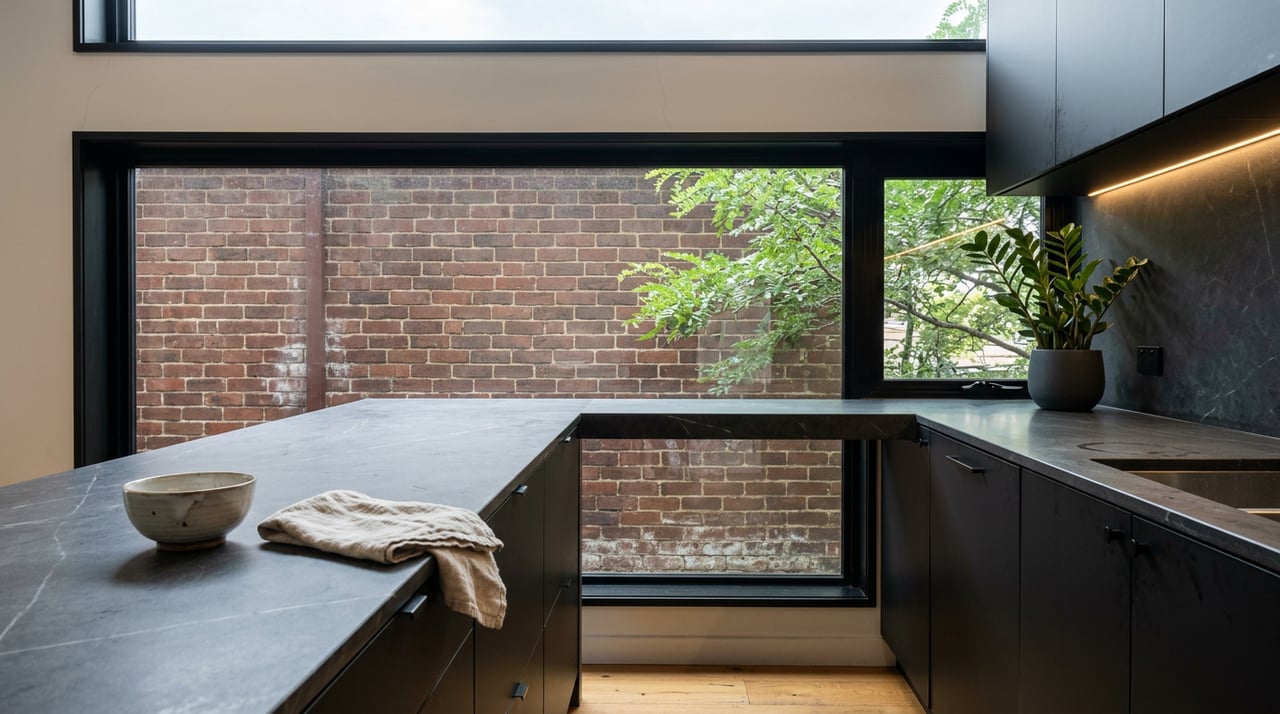
Cosmetic fixer-uppers — homes that are structurally sound, mechanically functional, and in need of updating rather than repair — are the category with the best risk-adjusted potential. Dated kitchens and bathrooms, original carpet over hardwood floors, and aging exterior paint are all addressable problems with predictable costs. Homes where the mechanical systems are functional and the bones are good but the finishes are from 1995 represent a genuine opportunity in Utah's market, particularly in older neighborhoods in Salt Lake City, Murray, Midvale, and parts of Provo where the housing stock skews older.
Homes that need structural work, foundation repair, full mechanical replacement, or mold remediation are a different category. Those projects require more specialized expertise and carry significantly more uncertainty in both cost and timeline. For buyers who are not in the construction industry or who do not have deep experience managing major renovation projects, these homes are high-risk propositions regardless of how attractive the price looks.
Location matters enormously in the fixer-upper calculus. A dated home in a strong, appreciating neighborhood is a fundamentally different investment than a dated home where values are flat. In Utah's established neighborhoods on the east side of the Salt Lake Valley, or in well-located pockets of Provo and Orem, cosmetic fixer-uppers have historically been sound investments for patient buyers.
When move-in ready makes more sense
Move-in ready makes more financial sense than buyers often acknowledge when they are in a budget-stretching mindset. The premium you pay for a move-in ready home covers not just the cosmetics but the timeline, the decision fatigue, the contractor management, the disruption of living in a construction zone, and the risk that the project costs more than planned.
For buyers who are already stretched on the purchase price, adding a significant renovation scope on top of the mortgage payment is a meaningful strain on monthly cash flow. Move-in ready is also the right default for buyers who have never managed a significant renovation project, who work demanding jobs with little capacity for contractor coordination, or who are relocating to Utah and cannot be on site to manage a project.
How I help buyers think through this decision
The honest version of this conversation depends entirely on the specific home, the specific renovation scope, the buyer's financial position, and how they realistically want to spend their time and energy over the next 12-18 months.
When I evaluate a fixer-upper with a buyer, I try to build a rough renovation budget during the showing — not a formal quote, but a walk through each room identifying the realistic scope of work and a reasonable planning range before we write an offer. That exercise either confirms the price discount justifies the work or reveals that the numbers do not pencil out.
If you are weighing a specific property and want a second set of eyes on whether the fixer or the move-in ready option makes more sense for your situation, reach out and we can work through it. You can also use the home search tool to compare what is available in both categories at your price point.