Selling a historic home in the Avenues is a different exercise than selling a typical suburban east bench listing, and homeowners who approach it the same way tend to leave value on the table. The buyer pool here is looking for something specific, and understanding what that is changes both your pricing strategy and what you choose to fix before you list.
Why Avenues Buyers Are a Different Kind of Buyer
People shopping the Avenues specifically are usually not comparing your home to a newer build in Draper or Sandy. They are choosing the neighborhood first, for its walkability, its tree lined streets, its proximity to downtown, and the character of the architecture itself, and then evaluating specific homes within that already narrowed search. That means your competition is other historic homes in the Avenues, not the broader Salt Lake market.
What This Buyer Pool Actually Pays a Premium For
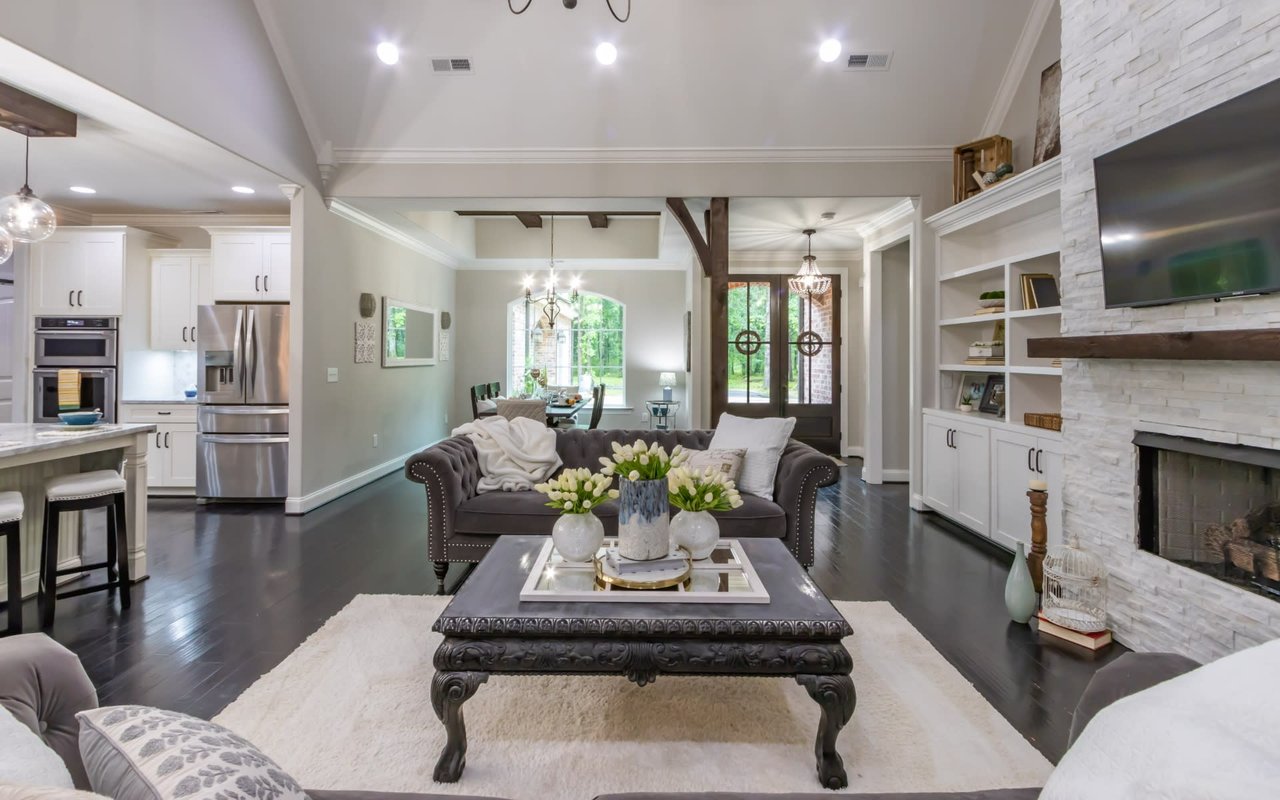
Original architectural details that have been preserved and well maintained, think built ins, original woodwork, and period appropriate windows, consistently draw a premium from this specific buyer. So does a kitchen or bathroom update done thoughtfully within the home's existing character, rather than a generic modern renovation that feels out of place against the rest of the house.
What Tends to Fall Flat With This Buyer
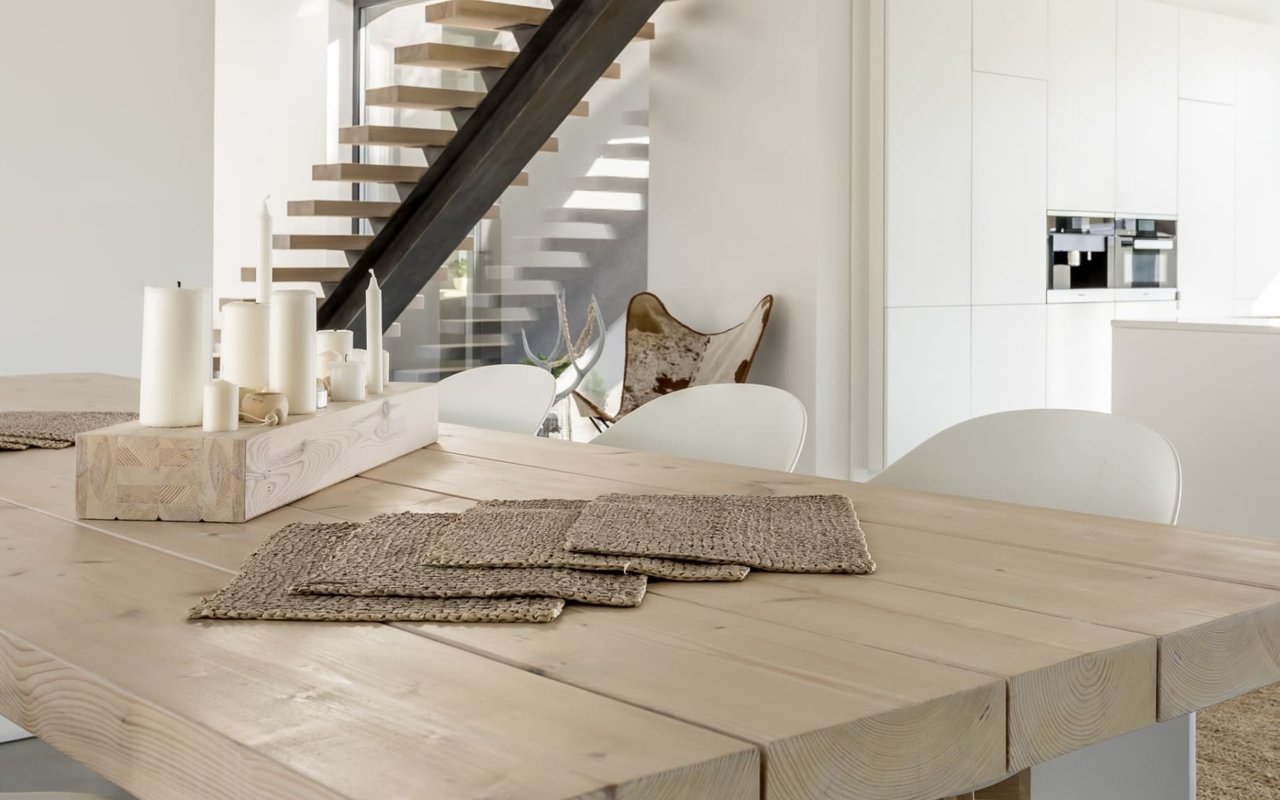
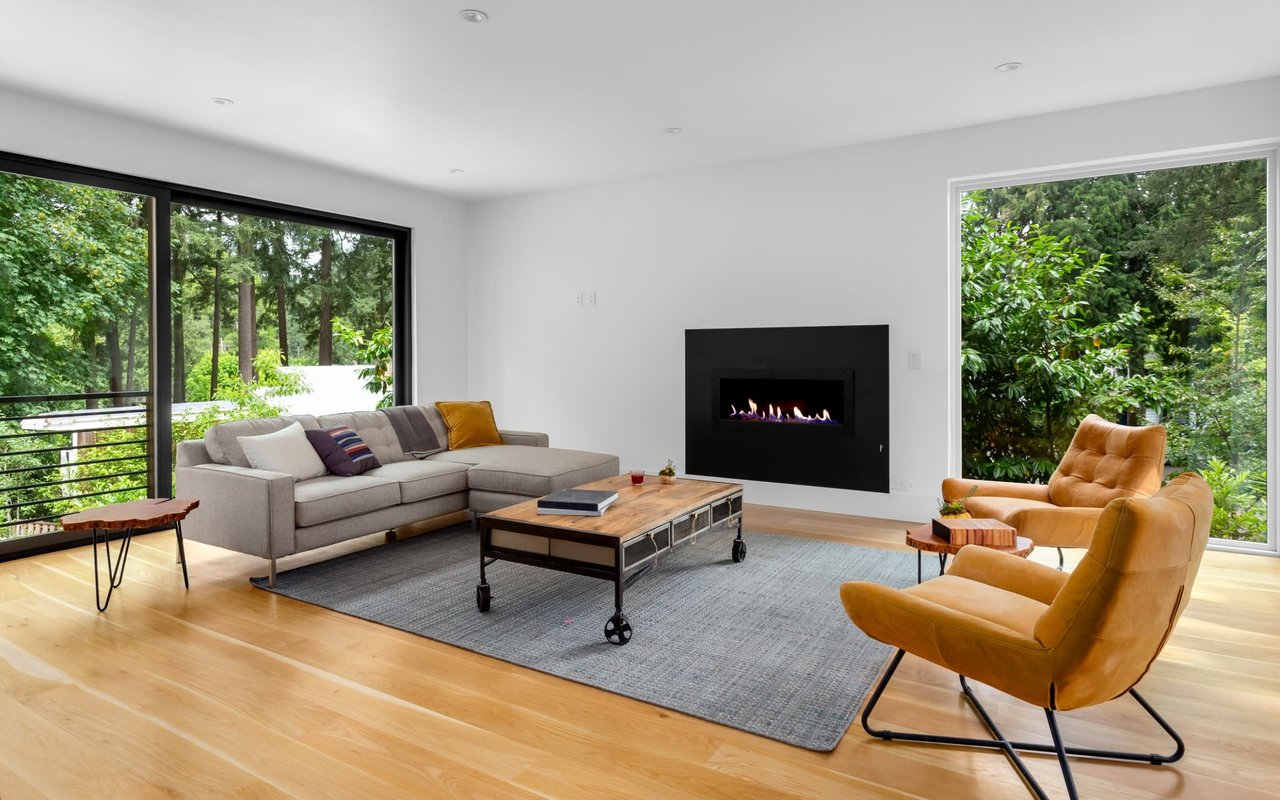
A fully modern, stripped down renovation that erases the home's original character often underperforms with Avenues buyers compared to what the same investment would return in a newer neighborhood. This buyer is specifically choosing a historic home because they want it to feel historic. Renovations that fight against that instinct tend to narrow your buyer pool rather than widen it.
The Practical Realities of an Older Home
Buyers here are generally more forgiving of the practical quirks of an older home, a smaller closet, an original but functional bathroom layout, a narrower staircase, than a typical suburban buyer would be. What they are less forgiving of are deferred maintenance issues that threaten the bones of the house, foundation concerns, an aging roof, or outdated electrical and plumbing systems that were never updated. Those issues get scrutinized closely, often through inspection, and can affect your negotiating position more than in a newer home.
How to Price and Present an Avenues Listing
Pricing needs to reflect true comparable sales of other historic Avenues homes, not a generic per square foot number pulled from the wider city. Presentation matters enormously here too, photography and staging that highlights original character rather than trying to make the home look like a builder spec listing will resonate far more with the buyers who are actually searching in this neighborhood.
Frequently Asked Questions
Do historic homes in the Avenues sell for more than newer homes nearby?
Well preserved historic character often commands a premium with the specific buyer pool searching in the Avenues, though pricing always depends on the individual home's condition and the true comparable sales in the immediate area.
Should I do a modern renovation before selling my Avenues home?
Not necessarily. A renovation that preserves and complements the home's original character tends to perform better with Avenues buyers than a fully modern, generic update.
What do buyers scrutinize most in an older Avenues home?
Foundation condition, roof age, and the state of electrical and plumbing systems tend to get the closest inspection attention, more so than cosmetic quirks like smaller closets or narrower staircases.
How should I price my historic Avenues home?
Based on true comparable sales of other historic homes in the immediate area, not a generic city wide price per square foot figure, since this buyer pool and this inventory behave differently than the broader market.
If you are thinking about listing a historic home in the Avenues, let's talk through what buyers in this specific market are actually paying for before you decide what to fix and what to leave alone.