If your ideal winter morning starts with fresh snow, a quick gear check, and a short drive toward the canyon, Cottonwood Heights deserves a close look. Buying a ski-friendly home here is not just about being near the mountains. It is about choosing the right access point, the right street, and the right home setup for real winter use. This guide will help you think through canyon access, must-have property features, and local price ranges so you can buy with more confidence. Let’s dive in.
Why Cottonwood Heights Works for Ski Buyers
Cottonwood Heights sits in a practical sweet spot for skiers who want day-to-day access to the Wasatch. Big Cottonwood Canyon Scenic Byway begins at Wasatch Boulevard and Fort Union Boulevard in Cottonwood Heights, making the city a natural base for regular trips to Solitude and Brighton.
It is also near the main route into Little Cottonwood Canyon. Little Cottonwood Canyon is reached via I-215 to the 6200 South exit, which puts Alta and Snowbird within reach for buyers who want flexibility across both canyon systems.
That said, location alone does not guarantee a smooth powder day. Winter canyon travel still comes with delays, traction rules, and occasional closures, so the best ski-friendly home is the one that helps you manage those realities well.
Canyon Access Matters More Than Zip Code
When you shop in Cottonwood Heights, ask a simple question: how fast can you actually get to the canyon mouth? That is often more useful than asking how close you are to the city boundary.
For Big Cottonwood skiers, being positioned for the Wasatch Boulevard and Fort Union area can make your route more direct. For Little Cottonwood skiers, your drive pattern may lean more on I-215 and 6200 South, which can feel very different on a busy winter morning.
If you mostly ski Brighton or Solitude, one part of Cottonwood Heights may fit better than another. If you usually head to Alta or Snowbird, you may want to think more carefully about how often you will deal with traffic near Little Cottonwood access points.
Choose for your primary resort
A common mistake is trying to buy a home that feels equally perfect for every resort. In practice, your best fit often depends on which canyon you will use most.
- Big Cottonwood focus: Better alignment for frequent trips to Solitude and Brighton
- Little Cottonwood focus: Better for buyers prioritizing Alta and Snowbird access
- Mixed use: A flexible option, but you should expect tradeoffs on some mornings
The city can serve both canyons well, but your everyday experience may improve if you choose a location that matches your actual ski habits.
Winter Road Reality Should Shape Your Search
A ski-friendly home in Cottonwood Heights should support the full winter routine, not just the drive time on a sunny day. According to UDOT’s Cottonwood Canyons guidance, SR-190 and SR-210 are dead-end roads in winter, traction requirements can go into effect when canyon beacons are flashing, and there are no gas stations in either canyon.
That changes what matters in a home search. A nice kitchen is great, but if you ski often, practical winter features can have just as much impact on daily life.
Look for traction-ready living
Because winter driving rules can change quickly, your home should make early departures and storm-day prep easier. UDOT also notes traction devices are required during severe winter conditions, so your setup at home matters.
Useful features include:
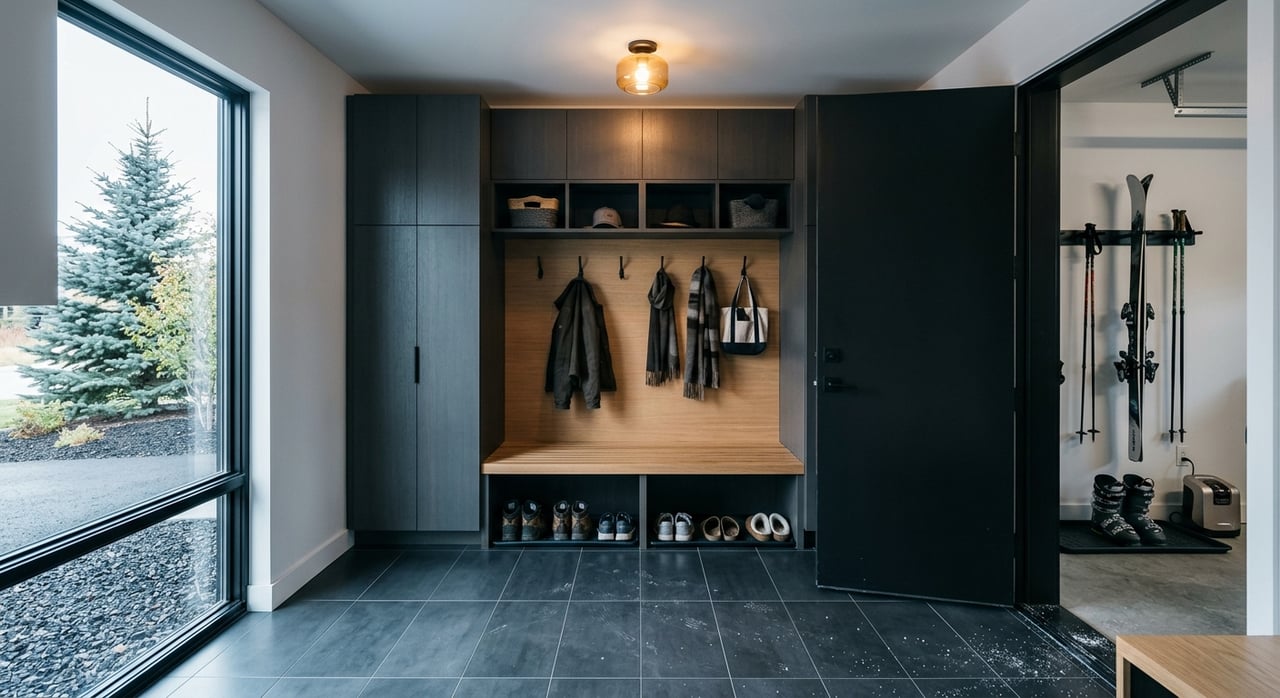
- An enclosed garage for snow-free loading and easier morning departures
- A mudroom or drop zone for boots, layers, helmets, and gloves
- Dedicated gear storage for skis, boards, poles, racks, and ski boxes
- Enough garage depth or driveway space for a vehicle equipped for winter travel
These are simple features, but they can make your home feel much more functional during ski season.
Street Access Can Be Just as Important
Many buyers focus on the home and overlook the street. In Cottonwood Heights, that can be a costly mistake during winter.
Cottonwood Heights Public Works maintains 264 lane miles of city streets and aims to clear all streets within 24 hours after a storm ends, prioritizing main streets first. That means two similar homes can offer very different storm-day experiences depending on where they sit.
Ask how the road is maintained
Before you buy, find out whether the property is on:
- A main plowed street
- A steeper local road
- A private drive
- An HOA-maintained road or lane
This affects how quickly you can get out after snow and how much effort you may need to make before heading to the canyon. If you plan to ski often, this question belongs near the top of your showing checklist.
Features That Make a Second Home Easier
If you are buying a part-time property, convenience rises even higher on the list. A ski home should be easy to leave, easy to return to, and easy to reset after a weekend on the mountain.
That is why lock-and-leave features, organized storage, and low-maintenance access matter so much in Cottonwood Heights. With winter traction laws and variable road conditions, a home that simplifies arrivals and departures can save you time and stress.
Prioritize low-friction ownership
For a second-home buyer, practical questions include:
- Is there secure interior space for wet gear?
- Can the garage handle racks, ski boxes, or a larger winter vehicle?
- Is access simple after a storm?
- Does the property feel manageable when you are away?
These details may not be glamorous, but they often separate a truly ski-friendly home from one that only sounds good on paper.
What Cottonwood Heights Homes Cost
Cottonwood Heights covers a wide range of price points, which is good news if you are trying to match lifestyle goals with a realistic budget. As of March 31, 2026, Zillow reported 77 homes for sale in Cottonwood Heights, a typical home value of $777,468, a median list price of $786,283, a median sale price of $805,500, and median days to pending of 23.
That market context suggests buyers should be prepared for a fairly active environment. Redfin’s March 2026 market page also describes the city as somewhat competitive and reports a median sale price of $800,000.
Price bands to expect
Current listings point to a broad spread of options. Based on recent Cottonwood Heights listing examples, you can think about the market in three practical bands:
| Price band | What buyers may find |
|---|---|
| Around $390,000 and up | Entry-level condo or attached-home options |
| Roughly mid-$600,000s to $800,000s | Mid-market single-family homes |
| $1 million and above | Premium lifestyle homes, often with stronger location appeal |
This kind of range makes Cottonwood Heights appealing to more than one buyer profile. You may find an attainable foothold in an attached home, or you may target a higher-end property designed for full-time living and regular ski use.
How to Think About Micro-Location
Within Cottonwood Heights, not every pocket offers the same ski-oriented value. If canyon access is your priority, east-side areas may stand out because they can place you closer to the mountain routes.
Using the current listing examples and citywide pricing as context, you can think of some east-side Cottonwood Heights submarkets as the closer-to-canyon premium band. Other attached-home or lower-density pockets may offer a more attainable entry point, especially for buyers who want access to the area without stretching into the top tier.
That does not mean one area is universally better than another. It means your best fit depends on your budget, your resort habits, and how much you value shaving time off those winter drive patterns.
Don’t Ignore Closure-Day Backup Plans
Little Cottonwood access can change fast when avalanche mitigation is in play. If Snowbird or Alta is your main goal, it helps to understand what happens when the usual flow breaks down.
The Central Wasatch Commission’s Ski Bus Priority Access Program was created to reduce congestion on State Road 210 and Wasatch Boulevard on days when Little Cottonwood Canyon is closed for avalanche mitigation. The commission reports an average ski-bus time reduction of 50 minutes, or 34 percent.
Build a realistic winter routine
That matters because the smartest ski-home purchase is not based only on ideal conditions. It also reflects your fallback plan.
Ask yourself:
- Will you drive every ski day?
- Would bus access improve your routine on closure days?
- Are you buying with one canyon in mind, or do you want flexibility?
A home that supports your backup plan can feel far more valuable over a full season.
Cottonwood Heights Works Beyond Ski Season
Even if skiing is the headline, most buyers still want a home that works year-round. Cottonwood Heights offers more than canyon proximity, which is helpful if the property will serve as a primary residence or a longer-term hold.
According to the city, Cottonwood Heights has a completed urban trail system, and its parks resources highlight amenities such as Butler Park next to the Cottonwood Heights Recreation Center and Bywater Park in Butlerville. Those features can add everyday convenience and outdoor access beyond the winter months.
That broader lifestyle value is worth considering when you compare Cottonwood Heights with other ski-base options. A home here can support your mountain routine while also fitting normal weekday life.
A Smart Buying Strategy for Ski Homes
If you are serious about buying a ski-friendly home in Cottonwood Heights, the goal is to match the property to how you actually live. That means balancing resort access, winter road reality, storage needs, and budget.
A smart search usually starts with a few clear priorities:
- Pick the canyon you will use most.
- Focus on real access, not just map distance.
- Check street plowing and driveway conditions.
- Prioritize garage, mudroom, and gear storage.
- Compare price bands before chasing the perfect finish level.
When you approach the search this way, you are more likely to buy a home that still feels right after the novelty wears off and the first real storm hits.
If you want help narrowing down the right Cottonwood Heights home for your ski lifestyle, Nick Booth Real Estate can help you evaluate location, access, and fit with a clear local strategy.
FAQs
What makes a home ski-friendly in Cottonwood Heights?
- A ski-friendly home in Cottonwood Heights usually has practical winter features like an enclosed garage, a mudroom or drop zone, dedicated gear storage, and access that works well after snowstorms.
How close is Cottonwood Heights to the ski canyons?
- Cottonwood Heights sits at the mouth of Big Cottonwood Canyon, and Little Cottonwood Canyon is accessed via I-215 and the 6200 South exit, making the city a strong base for skiing both canyon systems.
What resorts are easiest to reach from Cottonwood Heights?
- Big Cottonwood Canyon leads to Solitude and Brighton, while Little Cottonwood Canyon leads to Alta and Snowbird.
What winter road rules should Cottonwood Heights buyers know?
- UDOT says traction requirements can go into effect when canyon beacons are flashing, SR-190 and SR-210 are dead-end roads in winter, and there are no gas stations in either canyon.
How quickly are streets plowed in Cottonwood Heights after a storm?
- Cottonwood Heights says it prioritizes main streets first and aims to clear all city streets within 24 hours after a storm ends.
What is the median home price in Cottonwood Heights?
- As of March 31, 2026, Zillow reported a median sale price of $805,500 in Cottonwood Heights, with a median list price of $786,283.
Are there lower-priced ski-friendly options in Cottonwood Heights?
- Current listing examples suggest there are attached-home and condo options at lower price points than many single-family homes, with some entry-level listings starting around the high-$300,000s.
What happens if Little Cottonwood Canyon closes for avalanche mitigation?
- The Central Wasatch Commission says its Ski Bus Priority Access Program was created to reduce congestion on closure days and reports an average ski-bus time reduction of 50 minutes, or 34 percent.