People love Big Cottonwood Creek. There's something special about a backyard where you can hear running water, watch the trees along the bank change with the seasons, and feel like you're tucked away even though you're minutes from everything. Lots of buyers will pay more to be close to water, and homes along the creek in Cottonwood Heights and Holladay tend to draw strong interest. Most of the time, flooding isn't a major issue. But living next to a creek does come with a few things you should look into before you buy, especially insurance, bank erosion, and groundwater. Here's what to know.
Why Creekside Homes Command a Premium
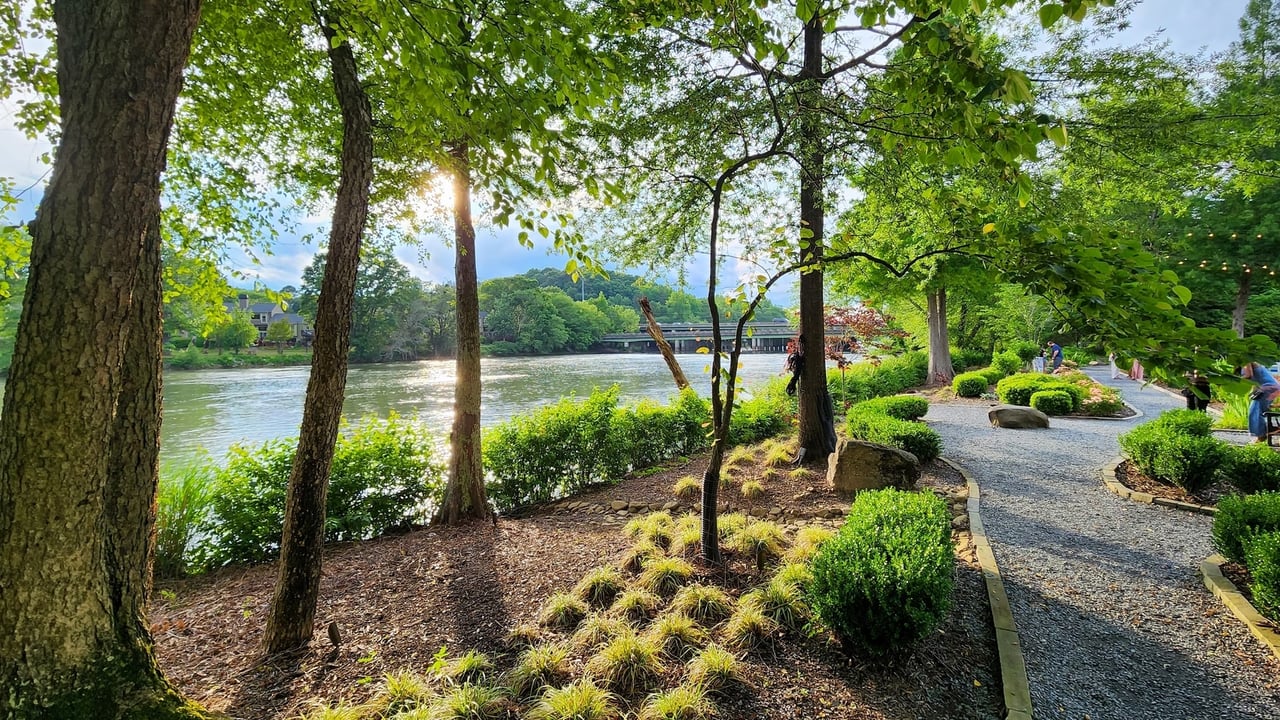
Big Cottonwood Creek runs out of Big Cottonwood Canyon and down through Cottonwood Heights, Holladay, and Murray on its way west across the valley. The homes that back up to it get something most homes don't. Privacy, mature trees, wildlife, and the sound of water right outside. In a valley that gets hot and dry in the summer, that's a big deal.
Most buyers see the creek as a premium. It's a feature people specifically search for, and it's hard to replicate. When a creekside home comes up for sale, it usually stands out from the other listings in the area.
The Last Big Flood Was in 1983
Big Cottonwood Creek can overflow, and it has. The last major, widespread flooding along the creek happened in the spring of 1983. That year, historic snowmelt and severe weather across the Salt Lake Valley pushed creeks over their banks. Areas along Big Cottonwood Creek, including parts of Cottonwood Heights and Murray, saw dikes overtopped, and some homes were evacuated.
Since then, Salt Lake County Flood Control has done a lot of work to manage the valley's creeks and reduce the risk of that kind of widespread flooding. That doesn't mean the risk is zero, especially in big snow years. But widespread over the bank flooding like 1983 hasn't happened along the creek since.
The risks that come up more often today are more localized. Bank erosion, high groundwater affecting basements near the creek, and storm related flash flooding or debris flows up in the canyon rather than direct creek overflows in the neighborhoods.
Check the Flood Zone and Talk to Your Insurance Agent
Before you buy a home along the creek, look at FEMA's flood maps to see whether the property sits in a designated flood zone. If it's in a high risk flood zone and you're getting a mortgage, your lender may require flood insurance.
Even if flood insurance isn't required, it's worth talking with your insurance agent. Standard homeowner's insurance policies generally don't cover flood damage, so flood coverage is a separate policy. Ask your agent whether being next to the creek will affect your premiums, what flood coverage would cost, and whether it makes sense for that specific home. In many cases, flood insurance for homes outside the highest risk zones is more affordable than people expect.
Bank Erosion Is the Bigger Day to Day Issue
For a lot of creekside homes, the bigger long term issue isn't flooding. It's erosion. Over time, moving water can wear away the creek bank, especially during high spring runoff. If the bank behind a home is eroding, it can slowly eat into the yard, undermine fences or retaining walls, and in more serious cases affect structures near the edge.
When you look at a creekside home, walk the back of the property and look closely at the bank. Is it stable and well vegetated, or is it steep, bare, and crumbling? Are there retaining walls, and what shape are they in? Ask the seller whether they've noticed changes over the years or done any work on the bank.
Also know that work near a creek may require permits. If you want to repair a bank, build a retaining wall, or add a structure close to the water, check with Salt Lake County and your city before you start.
Groundwater and Basements Near the Creek
Homes near a creek can also deal with higher groundwater, especially during wet years and spring runoff. Rising groundwater can push moisture into basements, leading to dampness, seepage, or water during the wettest times of year.
During your inspection, look carefully at the basement. Check for water stains, efflorescence (that white, chalky residue on concrete walls), musty smells, or signs of past water damage. Ask whether the home has a sump pump, a drainage system, or any history of basement water. If you plan to finish the basement, factor in good waterproofing and drainage.
Is a Creekside Home Worth It?
For most buyers who want one, yes. The lifestyle is hard to beat, and the premium often holds up over time because these homes are so unique. The key is going in informed. Check the flood zone, talk to your insurance agent, inspect the bank and the basement carefully, and understand any rules about working near the water. With that homework done, you can enjoy the creek without surprises.
Frequently Asked Questions
Does Big Cottonwood Creek flood?
It can, but major flooding has been rare in recent decades. The last widespread flooding along Big Cottonwood Creek happened in the spring of 1983, when historic snowmelt pushed creeks across the Salt Lake Valley over their banks and some homes in areas like Cottonwood Heights and Murray were evacuated. Since then, Salt Lake County Flood Control has worked to manage the valley's creeks. Today, the more common issues for creekside homes are bank erosion and higher groundwater affecting basements during wet years. If you're buying near the creek, check FEMA flood maps and talk with your insurance agent about flood risk and coverage.
Do I need flood insurance for a home near a creek in Utah?
It depends on the home's flood zone and your loan. If the property is in a high risk FEMA flood zone and you have a federally backed mortgage, your lender will usually require flood insurance. If it's outside those zones, flood insurance is generally optional, but it may still be worth considering for a home right on a creek. Standard homeowner's insurance typically doesn't cover flood damage, so flood coverage is a separate policy. Ask your insurance agent for a quote and look at the FEMA flood map for the specific property before you buy.
Do homes on a creek sell for more?
Often, yes. Many buyers are willing to pay a premium for homes that back up to a creek, especially along Big Cottonwood Creek in Cottonwood Heights and Holladay. Buyers value the privacy, mature trees, wildlife, and the sound of running water, and creekside homes are limited in supply. The premium depends on the home, the condition of the creek bank, any flood zone designation, and how usable the yard is. A creekside home with a stable bank, a dry basement, and reasonable insurance costs will typically command more than one with erosion or water issues.
What should I look for when buying a home on a creek?
Start by checking the FEMA flood map for the property and talking with your insurance agent about flood coverage and premiums. Walk the back of the property and look at the creek bank for erosion, steep or bare spots, and the condition of any retaining walls or fences. Inspect the basement closely for water stains, white residue on concrete, musty smells, or past water damage, and ask about sump pumps and drainage. Ask the seller about any history of high water, bank repairs, or changes over the years. And check with the city and county about permits before planning any work near the water.
If you're looking at a home along Big Cottonwood Creek or anywhere on the east bench, reach out. We'll help you check the flood zone, inspect the bank and basement, and make sure you know exactly what you're buying before you fall in love with the sound of the water.