Looking at Salt Lake City homes for sale? You're looking at a city where the mountains show up in every conversation. Downtown high-rises share the skyline with the Wasatch Range, walkable neighborhoods sit a few blocks from historic bungalows, and the housing stock ranges from 1890s Victorians to brand new construction tucked onto old city lots. This guide breaks down what it's actually like to live here, neighborhood by neighborhood, plus what to know before you buy or sell in the Salt Lake City real estate market.
Salt Lake City doesn't feel like one city, it feels like a dozen small towns that grew into each other. Downtown moves fast, with new restaurants, office towers, and a light rail line connecting it all. A few minutes east, the Avenues slow everything down with tree canopies and porch swings. Head south and Sugar House and 9th & 9th bring the coffee shop, bookstore, boutique energy that keeps people out of their cars. What ties it together is the mountains. No matter which Salt Lake City neighborhood you're standing in, you can look up and see the Wasatch Range, and most residents plan their weekend around what those mountains are doing, skiing and snowboarding in the winter, hiking and mountain biking the rest of the year.
It's also a genuinely young, active city. The University of Utah keeps a steady flow of students and young professionals moving through the local housing market, the tech and healthcare sectors keep bringing new residents from out of state, and the outdoor culture means it's just as normal to see someone in trail shoes as it is to see someone in business casual on a random Tuesday. That mix of college-town energy, big-city amenities, and small-town mountain access is what makes Salt Lake City real estate stand out from the rest of the Wasatch Front.
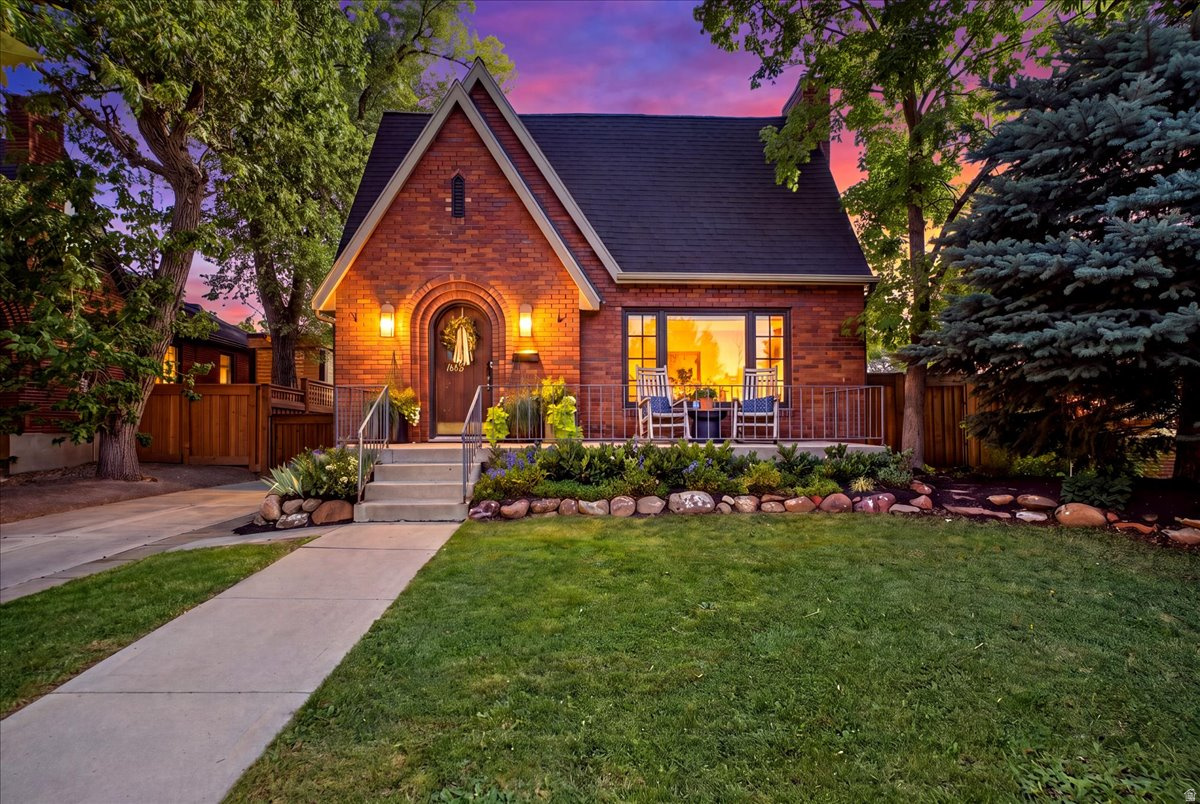
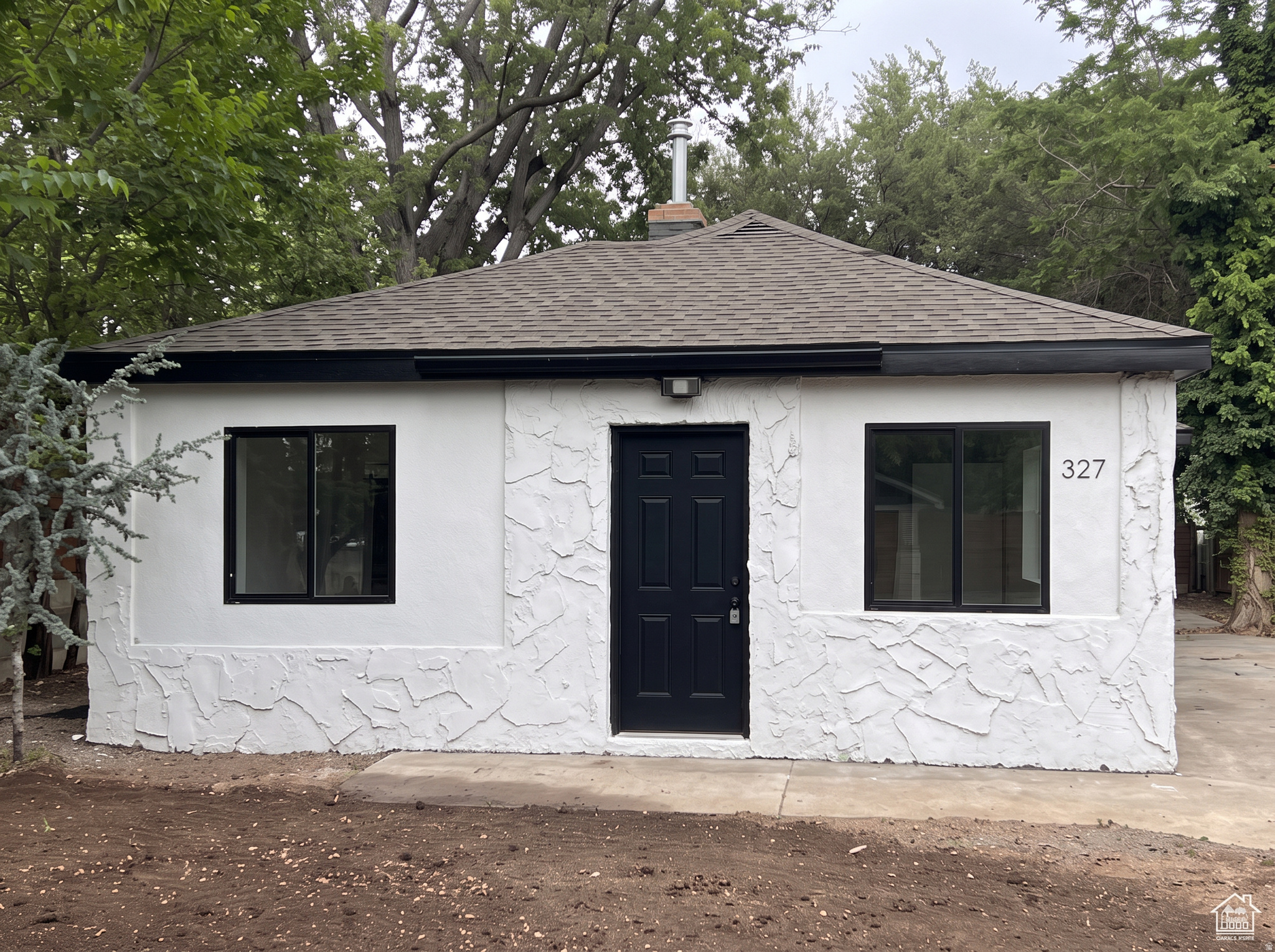
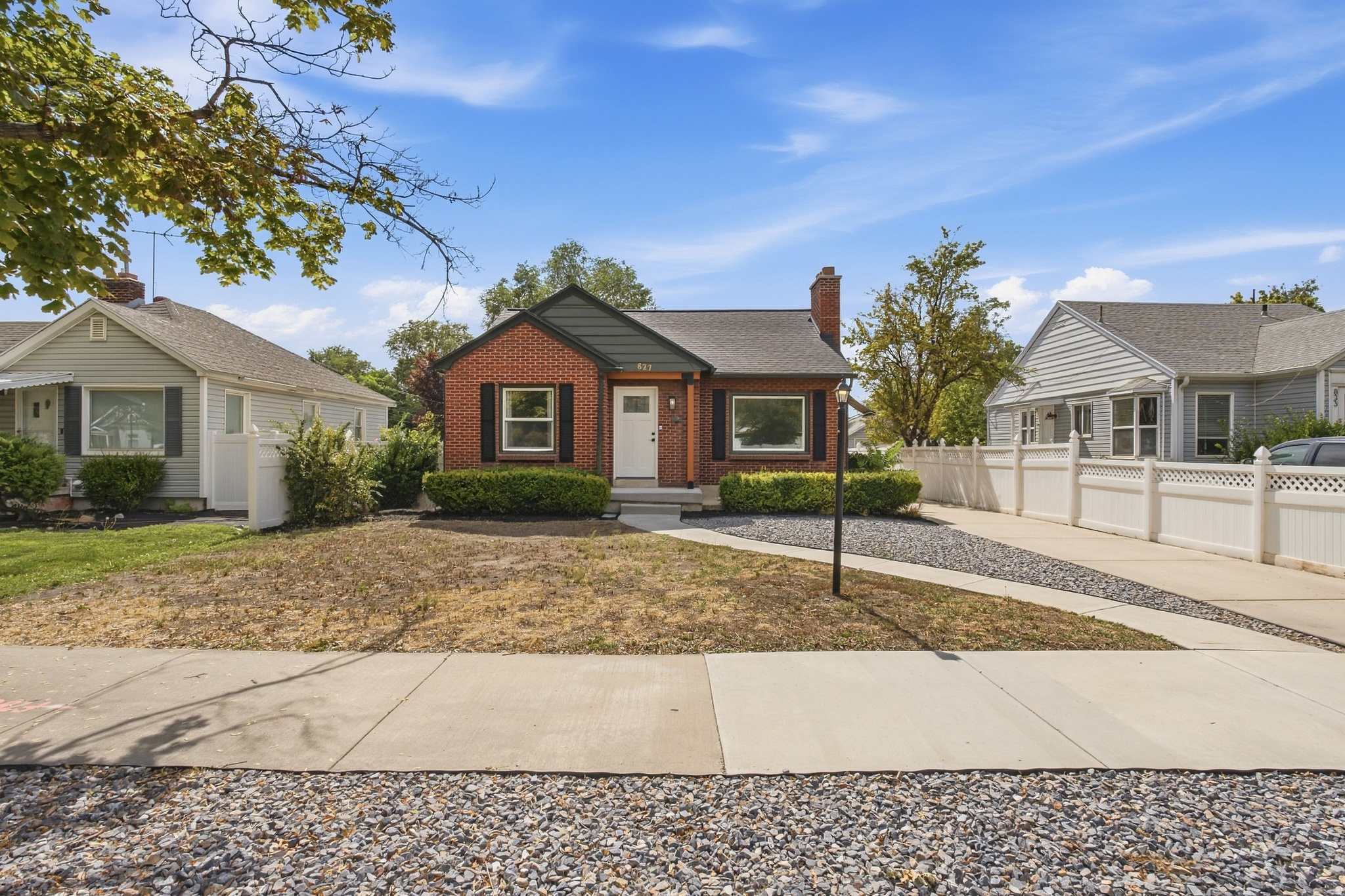
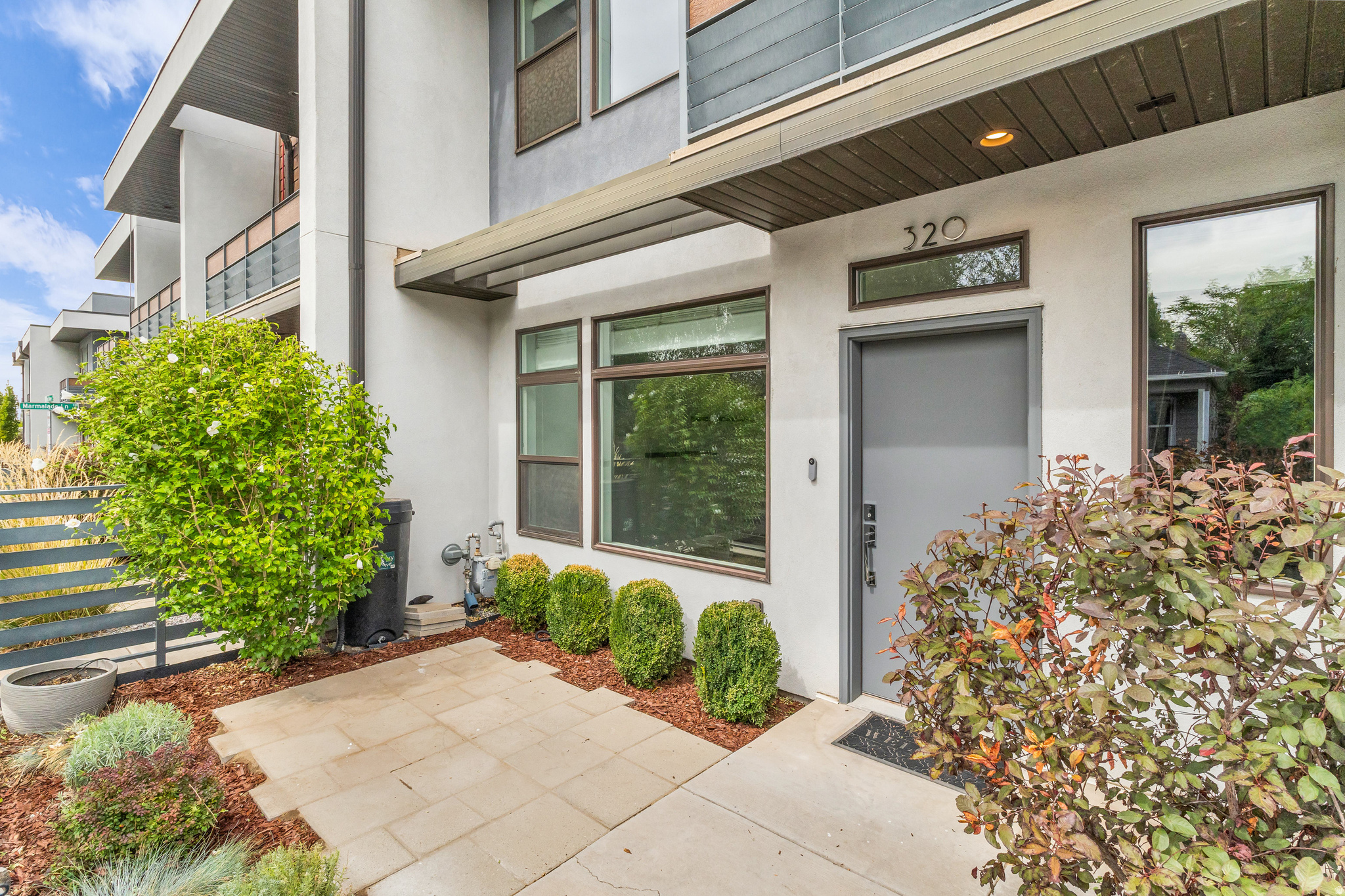
One of the most interesting things about Salt Lake City real estate is that the housing stock actually has a story. Historic bungalows from the early 1900s fill in 9th & 9th, Yalecrest, and Sugar House, built efficient and solid with the kind of built-in cabinetry you don't see in new construction anymore. The Lower Avenues has some of the best-preserved Victorian homes in the state, colorful, asymmetrical, full of character. Tudor-style homes with steep rooflines and brick chimneys show up throughout Yalecrest, the Avenues, and Holladay. Up in the foothill neighborhoods like Ensign Downs and Indian Hills, mid-century ramblers and view-oriented modern homes take over. And closer to downtown, new contemporary construction, white board and batten siding, black windows, open floor plans, keeps popping up on infill lots next to homes that have stood for a hundred years.
That mix is exactly why Salt Lake City shouldn't be treated as having one single housing market. A Craftsman bungalow in Sugar House, a downtown high-rise condo, and a new farmhouse-style build in the foothills can sit five minutes apart and still have completely different price points, days on market, and levels of buyer competition. Knowing which lane a specific Salt Lake City neighborhood falls into is the difference between overpaying and getting a great deal, whether you're buying or listing.
Salt Lake City covers a wide range of distinct neighborhoods, each with its own character and price point. Here's a closer look at the areas that come up the most in Salt Lake City real estate searches.
The Avenues is the most established, walkable neighborhood in Salt Lake City, tucked into the foothills just northeast of downtown. Streets are laid out in a numbered and lettered grid lined with mature trees, and the housing stock is dominated by beautifully restored Victorians, Craftsman bungalows, and Tudor Revival homes dating back to the late 1800s and early 1900s. Avenues homes for sale range from small starter bungalows in the Lower Avenues, closest to South Temple and downtown, to larger historic homes higher up near City Creek, with Federal Heights sitting at the very top of the neighborhood as its most exclusive pocket, where some of the most expensive real estate in the city commands sweeping valley views.
Local landmark: City Creek Canyon: Right at the top of the Avenues sits City Creek Canyon, the actual water source Mormon pioneers relied on when they settled the valley in 1847, and still part of Salt Lake City's protected drinking water watershed today. It's one of the only true canyon trailheads in the country that starts a few blocks from a residential street grid, and residents walk, run, and bike it year-round, with deer and moose sightings a normal occurrence minutes from million-dollar homes. That access is a big part of why Avenues real estate holds its value so well, there's a mountain canyon at the end of the block, and no one is building another one.
Sugar House is one of the most in-demand neighborhoods in Salt Lake City, built around Sugar House Park and a genuinely walkable commercial district full of shopping, restaurants, and breweries. The neighborhood takes its name from a failed 1850s attempt to build the western United States' first sugar beet processing factory, and that industrial-era history shows up in the mix of older bungalows, brick duplexes, and post-war homes that make up most of Sugar House real estate today, with new townhomes and infill construction picking up in recent years, especially in Highland Park to the east and the blocks nearest Westminster University.
Local landmark: the Sugar House Monument and S-Line: The 50-foot Sugar House Monument, a 1934 sculpture honoring the neighborhood's early manufacturing days, still anchors the business district today. Right behind that history is the S-Line streetcar, which runs on a rail corridor first built in 1900 for the old Sugar House streetcar line before it opened in its current form in 2013. It's a rare case of a neighborhood's original transit route getting rebuilt more than a century later, and it's a big reason Sugar House real estate near the S-Line stops keeps commanding a premium, you can genuinely leave the car at home.
9th & 9th is a small, tightly packed pocket of Salt Lake City with an outsized personality. Centered on the intersection of 900 South and 900 East, this neighborhood is known for its independent bookstore, coffee shops, and a genuinely eclectic mix of restaurants and boutiques, all within an easy walk of each other, plus the historic Gilmer Park district just to the south, known for larger Tudor and Colonial homes on quiet, tree-lined streets. Housing in the core of 9th & 9th itself is almost entirely historic, classic 1920s and 1930s bungalows and Cape Cod cottages on small, well-kept lots.
Local landmark: the Tower Theatre: The Tower Theatre has anchored this intersection since it opened in 1928, and it's the oldest movie theater in the Salt Lake Valley still showing films today. The nonprofit Salt Lake Film Society took it over in 2001 to save it from demolition and has run it as an art-house cinema and Sundance Film Festival venue ever since. It closed in 2020 after the pandemic and an earthquake hit back to back, and the Film Society bought the building outright in 2022, with restoration work now underway to uncover what's left of the original 1928 facade. Because the footprint here is so small and so few homes come up for sale at once, 9th & 9th real estate is some of the most competitive in the city, and buyers who want in often have to move fast.
Liberty Wells sits just south of downtown, wrapped around Liberty Park, one of the largest and most-used green spaces in Salt Lake City. This is currently one of the more affordable pockets of Salt Lake City real estate, though prices have been climbing as breweries, coffee shops, and new restaurants continue to move in, particularly in Central Ninth along the neighborhood's northern edge and the Ballpark area to the west, near the stadium. Housing stock is a mix of early-1900s bungalows, brick bungalow courts, and smaller post-war homes, with a growing number of renovations and new infill builds.
Local landmark: A. Fisher Brewing Company: Fisher Brewing traces back to a brewery a German immigrant founded along the Jordan River in the late 1800s, once one of the largest in Utah, that survived Prohibition but closed in 1967 after being bought out. In 2017, the founder's great-great-grandson reopened A. Fisher Brewing Company in an old auto shop on 800 South, and it's now a genuine neighborhood gathering spot. It's a good snapshot of what's happening in Liberty Wells more broadly, a century-old story getting a second life in a building nobody expected to matter again.
Downtown is where Salt Lake City's condo and high-rise market lives, split roughly between the Central Business District core around City Creek Center and the Delta Center, and the Gateway and Depot District to the west, where redevelopment has been steady. Housing options range from older converted lofts to brand new luxury high-rise condos with amenities like concierge service, rooftop decks, and secured parking, all within a few blocks of TRAX light rail and Salt Lake City's restaurant and entertainment core.
Local landmark: the Rio Grande Depot: Built in 1910 for $750,000, the Rio Grande Depot was once one of the city's two grand passenger rail terminals, complete with a barber shop, a telegraph office, and separate lounges, and it played a real role moving troops through the city during both World Wars. Passenger rail eventually moved on, and the tracks were pulled up for good in the late 1990s, but the building itself was saved. Today it houses the Utah State Historical Society, the Rio Gallery, and a café, a genuine piece of downtown's working history still standing right next to the neighborhood's newest development.
Every neighborhood in Salt Lake City moves a little differently, and pricing a home in Sugar House isn't the same conversation as pricing one in the Avenues. Get a straight answer on what your home is worth in today's market, no generic online estimate.
Temple Square anchors downtown with its gardens and architecture, and it's worth a walk through even outside of any organized tour. Liberty Park is the city's backyard, complete with a pond, an aviary, and a farmers market that takes over every summer weekend. Sugar House Park does the same job on the south side of the city. Red Butte Garden and the Natural History Museum of Utah both sit against the foothills and make for an easy afternoon out. And then there are the mountains: Alta, Snowbird, Brighton, and Solitude ski resorts are all thirty to forty-five minutes from downtown Salt Lake City, close enough to ski a morning and be back for dinner. In the summer, those same canyons turn into some of the best hiking and mountain biking trail systems in the state, including sections of the Bonneville Shoreline Trail that run right along the base of the foothill neighborhoods.
Salt Lake City's food and coffee scene has grown up fast, and it keeps expanding neighborhood by neighborhood. Red Iguana is still the name most people mention first for mole, and Caputo's Market has been the go-to for specialty groceries and sandwiches for years. HSL and Valter's Osteria cover the upscale end of the spectrum, while 9th & 9th and Sugar House stay packed with local coffee shops instead of chains. New spots keep landing throughout the city too, from Old Cuss Cafe downtown to ArgenTina's Cafe for empanadas, Sushi by Bou's speakeasy-style omakase inside the Peery Hotel, and Junbi for Japanese matcha. Wherever you land in Salt Lake City, a genuinely good meal is never far away.
Salt Lake City is built on a grid, which makes it hard to get truly lost no matter which neighborhood you're in. TRAX light rail connects downtown to the University of Utah, the airport, and the southern suburbs, and FrontRunner runs commuter rail up and down the Wasatch Front. Salt Lake City International Airport is about ten minutes from downtown, a genuine perk compared to most metro areas this size. Bike lanes have expanded quickly over the last several years too, especially through downtown and the Avenues, making a car-free commute realistic for a growing number of Salt Lake City residents.
Every Salt Lake City neighborhood fits a different kind of life. Let's talk about what you're looking for and start touring homes in the neighborhoods that actually make sense for you.
Yes. Salt Lake City offers a genuine four-season climate, easy access to world-class skiing and hiking, a growing job market across tech, healthcare, and education, and a downtown that stays walkable without losing its neighborhood feel a few blocks out. It's a city that supports a wide range of lifestyles, from urban condo living to quiet, tree-lined residential streets.
It depends on what matters most to you. The Avenues and Federal Heights are known for historic homes and walkability to downtown. Sugar House and 9th & 9th offer a walk-to-everything lifestyle built around shopping and restaurants. Liberty Wells is one of the more affordable options with room for appreciation. Marmalade and Capitol Hill offer views and a quieter feel close to downtown.
Salt Lake City has one of the most varied housing stocks in Utah, including historic Victorians, Craftsman bungalows, Tudor Revival homes, American Colonial homes, mid-century ramblers, downtown condos and high-rises, and new contemporary construction on infill lots. The architectural style, lot size, and price point change significantly from one neighborhood to the next.
Home prices vary widely by neighborhood, home style, and lot size, and shift throughout the year, so a single citywide number rarely tells the full story. The most accurate way to know what a home in a specific Salt Lake City neighborhood is worth right now is to look at current, up-to-date market data or talk directly with a local agent.
9th & 9th and Sugar House are widely considered the most walkable neighborhoods in Salt Lake City, with restaurants, coffee shops, and shopping concentrated within a few blocks. The Avenues and downtown also score well for walkability, though for slightly different reasons, one for tree-lined residential streets, the other for density and transit access.
Salt Lake City School District covers most of the city, alongside a number of well-regarded charter and private school options. The University of Utah and Westminster University are both located within city limits as well. School boundaries and ratings vary by neighborhood, so it's worth checking the specific attendance zone for any home under consideration.
Salt Lake City's grid layout makes navigating simple, and TRAX light rail plus FrontRunner commuter rail cover a lot of ground for residents who want to skip driving. Salt Lake City International Airport is about ten minutes from downtown. Depending on which neighborhood you choose, plenty of daily errands and commutes are doable without a car at all.
Salt Lake City is one of the only major U.S. cities where you can ski a morning and be home for dinner. Alta, Snowbird, Brighton, and Solitude ski resorts are all roughly thirty to forty-five minutes from downtown, depending on traffic and which canyon you're headed up.
The Avenues is known for its historic Victorian and Craftsman homes, tree-lined streets, and easy walk to downtown Salt Lake City. It's one of the oldest and most established neighborhoods in the city, and home values here have historically held up well due to limited available land.
Sugar House is consistently one of the most requested neighborhoods in Salt Lake City thanks to Sugar House Park, a walkable commercial district, and a strong mix of restaurants, coffee shops, and breweries. Homes here tend to move quickly, especially anything within walking distance of the park or main shopping corridor.
Plenty. Temple Square, Liberty Park, Sugar House Park, Red Butte Garden, and the Natural History Museum of Utah are all popular year-round. The city also has a growing restaurant and coffee scene, a full calendar of summer festivals and farmers markets, and hiking and mountain biking trails that run right along the base of the foothill neighborhoods.
Whether you're buying, selling, or just want to know what your options look like in a specific Salt Lake City neighborhood, we'd love to help. We live and work in this market every day.
203,888 people live in Salt Lake City, where the median age is 33 and the average individual income is $49,642. Data provided by the U.S. Census Bureau.
Total Population
Median Age
Population Density Population Density This is the number of people per square mile in a neighborhood.
Average individual Income
Salt Lake City has 88,932 households, with an average household size of 2.19. Data provided by the U.S. Census Bureau. Here’s what the people living in Salt Lake City do for work — and how long it takes them to get there. Data provided by the U.S. Census Bureau. 203,888 people call Salt Lake City home. The population density is 1,848 and the largest age group is Data provided by the U.S. Census Bureau.
Total Population
Population Density Population Density This is the number of people per square mile in a neighborhood.
Median Age
Men vs Women
Population by Age Group
0-9 Years
10-17 Years
18-24 Years
25-64 Years
65-74 Years
75+ Years
Education Level
Total Households
Average Household Size
Average individual Income
Households with Children
With Children:
Without Children:
Marital Status
Blue vs White Collar Workers
Blue Collar:
White Collar:
There's plenty to do around Salt Lake City, including shopping, dining, nightlife, parks, and more. Data provided by Walk Score and Yelp.
Explore popular things to do in the area, including Cookie Plug, Burrito Beast, and The Daily Dough.
| Name | Category | Distance | Reviews |
Ratings by
Yelp
|
|---|---|---|---|---|
| Dining | 0.66 miles | 0 reviews | 0/5 stars | |
| Dining | 0.84 miles | 2 reviews | 2.5/5 stars | |
| Dining | 0.89 miles | 0 reviews | 0/5 stars | |
| Dining | 0.95 miles | 0 reviews | 0/5 stars | |
| Dining | 1.13 miles | 1 review | 5/5 stars | |
| Dining | 1.29 miles | 0 reviews | 0/5 stars | |
| Dining | 1.32 miles | 0 reviews | 0/5 stars | |
| Shopping | 1.22 miles | 0 reviews | 0/5 stars | |
| Shopping | 1.3 miles | 0 reviews | 0/5 stars | |
| Active | 0.21 miles | 0 reviews | 0/5 stars | |
| Active | 0.46 miles | 0 reviews | 0/5 stars | |
| Active | 0.84 miles | 0 reviews | 0/5 stars | |
| Active | 0.94 miles | 0 reviews | 0/5 stars | |
| Active | 1.01 miles | 0 reviews | 0/5 stars | |
| Active | 1.16 miles | 1 review | 3/5 stars | |
| Active | 1.3 miles | 0 reviews | 0/5 stars | |
| Nightlife | 0.68 miles | 0 reviews | 0/5 stars | |
| Beauty | 0.24 miles | 0 reviews | 0/5 stars | |
| Beauty | 0.37 miles | 0 reviews | 0/5 stars | |
| Beauty | 0.7 miles | 1 review | 5/5 stars | |
| Beauty | 1.33 miles | 0 reviews | 0/5 stars | |
| Beauty | 1.36 miles | 0 reviews | 0/5 stars | |
|
|
||||
|
|
||||
|
|
||||
|
|
||||
|
|
||||
|
|