The staging conversation in real estate often goes to extremes. On one side, you have sellers who put their home on the market exactly as they've been living in it and wonder why buyers can't see past the clutter. On the other side, you have sellers who think they need to bring in a professional staging company and spend thousands of dollars before they can list.
The truth is somewhere between those two positions and depends almost entirely on understanding what buyers actually notice when they walk through a home.
The Buyer's Experience
When a buyer walks through a home, they're not consciously cataloguing features. They're having an emotional response. Within the first 60 to 90 seconds, they've formed an impression that shapes everything they see after that. A positive first impression makes buyers more forgiving of minor issues. A negative one makes them look for things to criticize.
The things that form that first impression are sensory: what the home looks and smells like, how light or dark it feels, whether it seems clean and cared-for. None of these are expensive to get right, but all of them require deliberate attention.
Smell Is the First Thing Buyers Notice
This one is uncomfortable to address but critical. Pets, cooking smells, cigarette smoke, and mustiness are among the most reliable ways to kill a buyer's enthusiasm immediately. Sellers often don't notice these smells because they've acclimated to them, which is exactly why you need someone else to tell you honestly whether your home has a scent issue.
If it does, address it at the source. Clean carpets and upholstery. Wash walls. Address any moisture issues that are causing musty odors. Open windows before showings. Baking something simple before a showing helps, but it's not a substitute for eliminating underlying odors.
Decluttering Is the Highest-Impact Free Project
Less is almost always more when showing a home. Buyers need to be able to see the home — the space, the proportions, the natural light — and personal belongings, excess furniture, and cluttered surfaces make that harder. They also make rooms feel smaller than they are.
Go through every room with the goal of reducing what's visible by 30 to 50 percent. Pack away personal photos, collections, and anything that's decorative rather than functional. Clear countertops in the kitchen and bathrooms down to the essentials. Thin out closets so they look spacious rather than full.
This costs nothing but time and storage space. It consistently makes homes show better in person and photograph better for the listing, which is where most buyers form their initial impression before they ever schedule a showing.
Lighting
Dark homes feel smaller and less appealing. Replace burned-out bulbs. Open every curtain and blind before showings. In rooms that feel dark, adding floor or table lamps helps considerably.
Bulb temperature matters more than most sellers realize. Cool white bulbs can give rooms a clinical, unflattering look. Warm white bulbs tend to photograph better and feel more welcoming. If your home has a mix of bulb temperatures, standardizing to warm white throughout is a small investment with noticeable results.
Furniture Arrangement
The goal of furniture arrangement in a staged home is to make rooms feel large and to guide buyers through the space naturally. This doesn't mean you need to rent new furniture. It often means moving what you have.
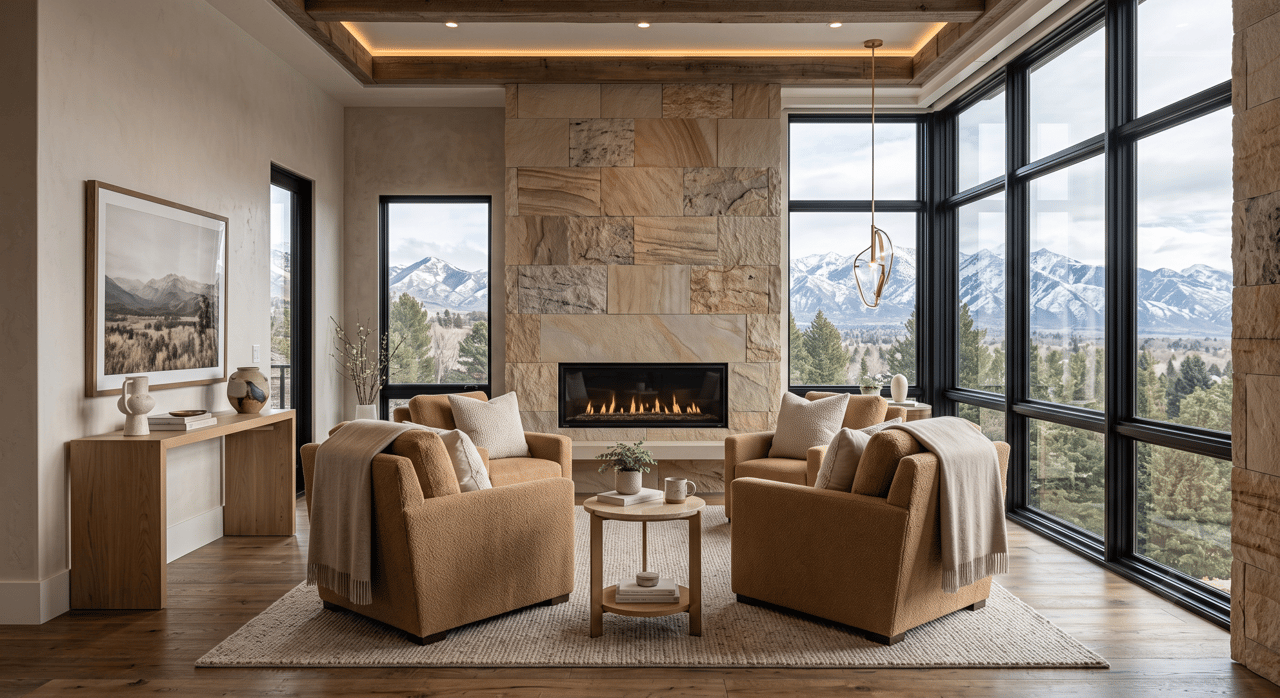
In living rooms, pull furniture slightly away from walls rather than pushed against them — counterintuitively, this tends to make rooms feel larger. Remove any furniture that makes the room feel crowded. In bedrooms, a bed with nightstands and a clear path around it photographs much better than a room stuffed with everything that wouldn't fit elsewhere in the house.
Kitchen and Bathroom Focus
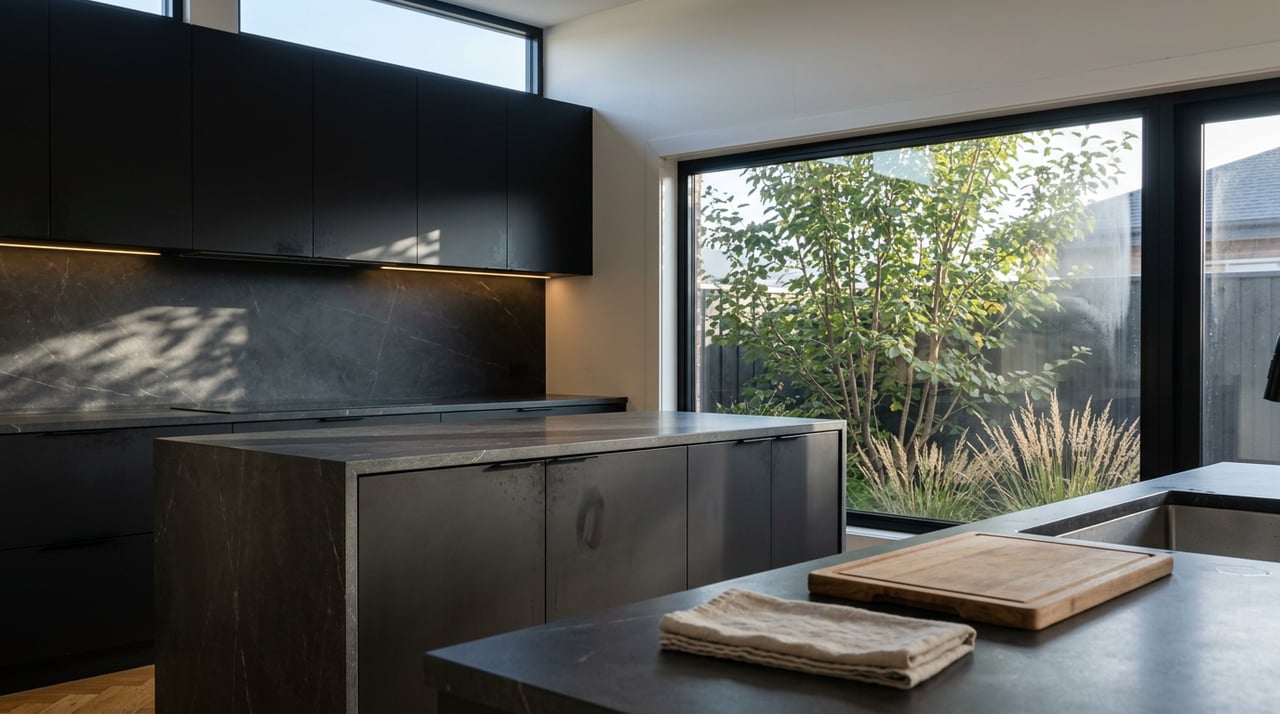
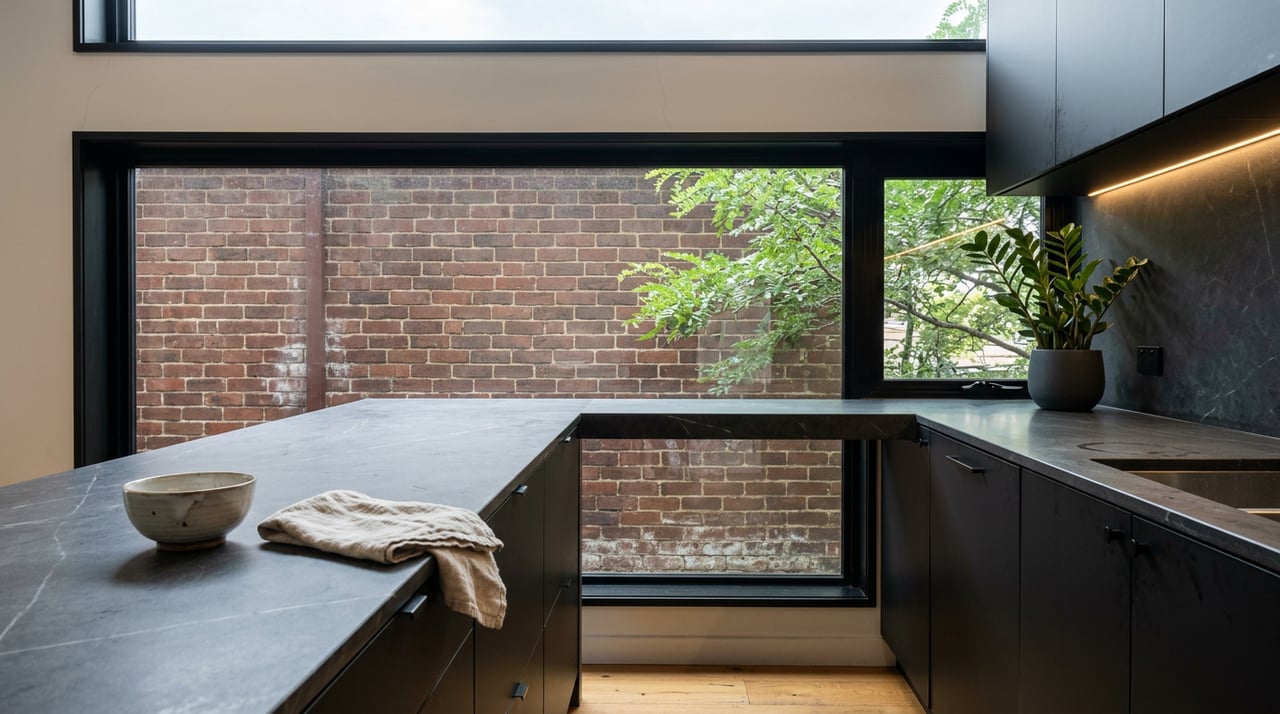
These two rooms get more scrutiny than any other space in a home. In the kitchen, clear counters, clean appliances, and a spotless sink go a long way. A simple bowl of fruit or fresh flowers reads as welcoming without effort.
In bathrooms, hide personal care products under the sink, put out fresh towels, and make sure the toilet lid is down for photos and showings. These are small things that photograph dramatically differently from the alternative.
What You Can Spend Money On
If you're going to spend anything on staging, prioritize a few fresh throw pillows, a couple of simple greenery or flower arrangements, and potentially a neutral area rug if the space needs grounding. These are inexpensive touches that read as intentional and put-together in listing photos.
A professional photographer is worth budgeting for. Good photography has a direct impact on how many buyers schedule showings, and it's one area where cutting corners costs you. Most buyers make their initial decision about whether to schedule a showing based on the photos.
The improvements that actually affect your sale price and how to price your home correctly work hand in hand with presentation. All three elements together determine how your home comes to market and how buyers receive it.
The Practical Summary
You don't need to spend thousands on staging. You need to declutter aggressively, fix minor issues, clean everything including what normal cleaning misses, optimize your lighting, and present each room with a sense of intention. Done well, this process costs relatively little and has a measurable impact on how quickly your home sells and at what price.
If you want a walkthrough before you list and honest feedback on what would make the biggest difference in your specific home, reach out. That conversation is free and almost always useful.