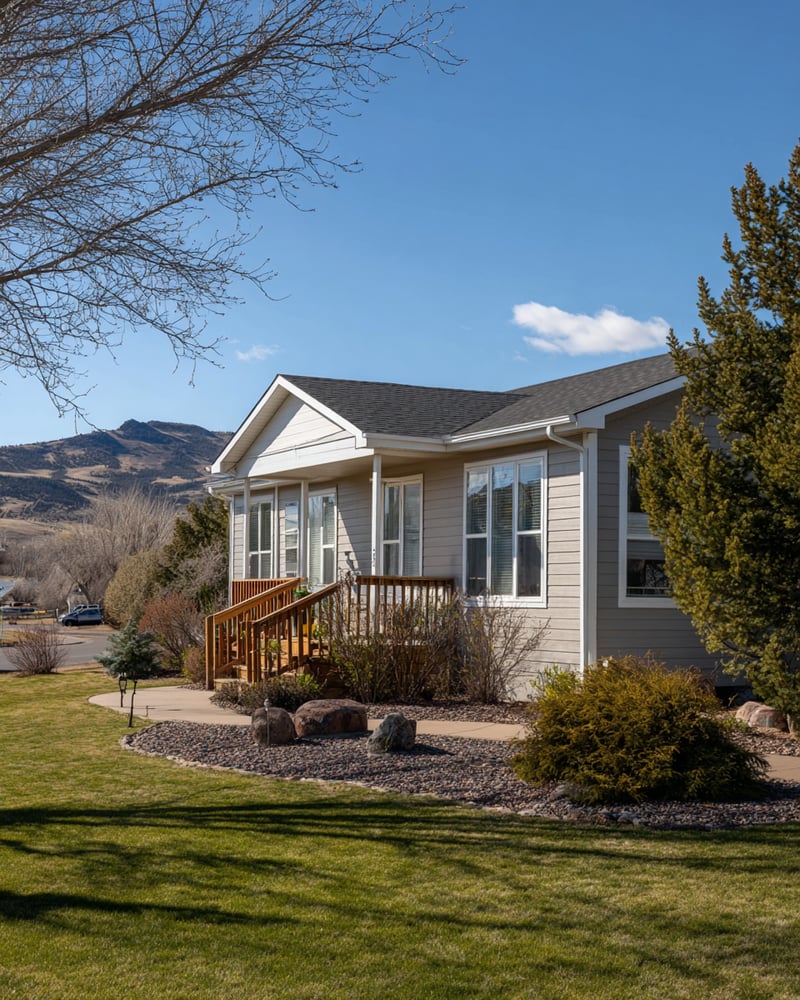
A fourplex is a strange and wonderful thing. It looks like a big house from the street, but it behaves like a small business. In Murray, where a lot of the housing stock is close to transit, jobs, and hospitals, small multi-unit buildings have a steady pull with investors. Before you go shopping, though, it helps to know how these properties are financed, valued, and run.
The four unit line matters
Here's the big thing. In lending, a property with one to four units is treated as residential. A property with five or more units is treated as commercial. That difference changes everything. Residential financing means familiar loan programs, standard down payment options, and, if you live in one of the units, owner occupied terms. Commercial financing means a different set of lenders, different underwriting, and different loan structures.
A fourplex sits right at the top of the residential category, which is why it's popular. You get four rent streams with residential style loans.
How the appraisal works
Appraisers value one to four unit properties by looking at comparable sales, and they may consider rental income too. Five unit and larger buildings are usually valued more on the income they produce. That's worth knowing because a four unit building can be appraised differently than you'd expect, and the number can affect your financing. Talk to a lender who works with multi-unit properties before you get under contract.
Owner occupied or investor
If you plan to live in one unit, you can use owner occupied financing, and that can mean a much smaller down payment and a better rate. FHA loans can be used on up to four units for owner occupants, with extra requirements on three and four unit properties. If you're buying purely as an investor, expect a larger down payment, a higher rate, and reserve requirements. Some investors also use loans that qualify you based on the property's rental income rather than your personal income, though those often come with higher rates.
What cap rate means, and what it doesn't
A cap rate is a property's net operating income divided by its price. It's a quick way to compare buildings, but it's easy to abuse. The number depends on whether the income and expenses are realistic. Sellers may quote a cap rate based on optimistic rents and low expenses. When I look at a fourplex, I ask for the real rent roll, the leases, and the actual costs of taxes, insurance, utilities, and maintenance. Then I build the numbers myself.
The stuff that eats returns
A few things surprise new owners. Vacancy happens, even in strong rental areas. Older buildings have major systems that need replacing, like roofs, boilers, and plumbing. Utilities may be shared or separately metered, which changes how you handle them. And property management, if you hire it, comes out of the income. A fourplex that looks great at a glance can look average after these items.
Murray's appeal for renters
Murray has strong rental demand drivers. It's central, it has major employers and hospitals nearby, and it's served by transit, including a station where TRAX and FrontRunner meet. Renters who want a central location without downtown prices tend to look here. That helps with occupancy, but it doesn't guarantee returns, so the numbers still have to work.
Check zoning and legal status
Just like any multi-unit property, you want to confirm that every unit is legal. Ask for permits, verify zoning with the city, and make sure the building's configuration matches what's advertised. An unpermitted unit can cause problems with financing and insurance.
Frequently Asked Questions
Can I get a regular mortgage on a fourplex?
Yes, one to four unit properties qualify for residential financing, and owner occupants can use lower down payment programs.
What happens at five units?
The property is treated as commercial for financing, which changes the lenders, terms, and underwriting.
Is a higher cap rate always better?
Not necessarily. A high cap rate can signal higher risk, deferred maintenance, or unrealistic income. Verify the numbers.
Should I hire a property manager?
It depends on your time and experience. Management costs money but can save headaches, and you should build it into your numbers.
If you're looking at small multi-unit properties in Murray, send me what you're considering. We'll pressure test the numbers and see if the building deserves your money.